
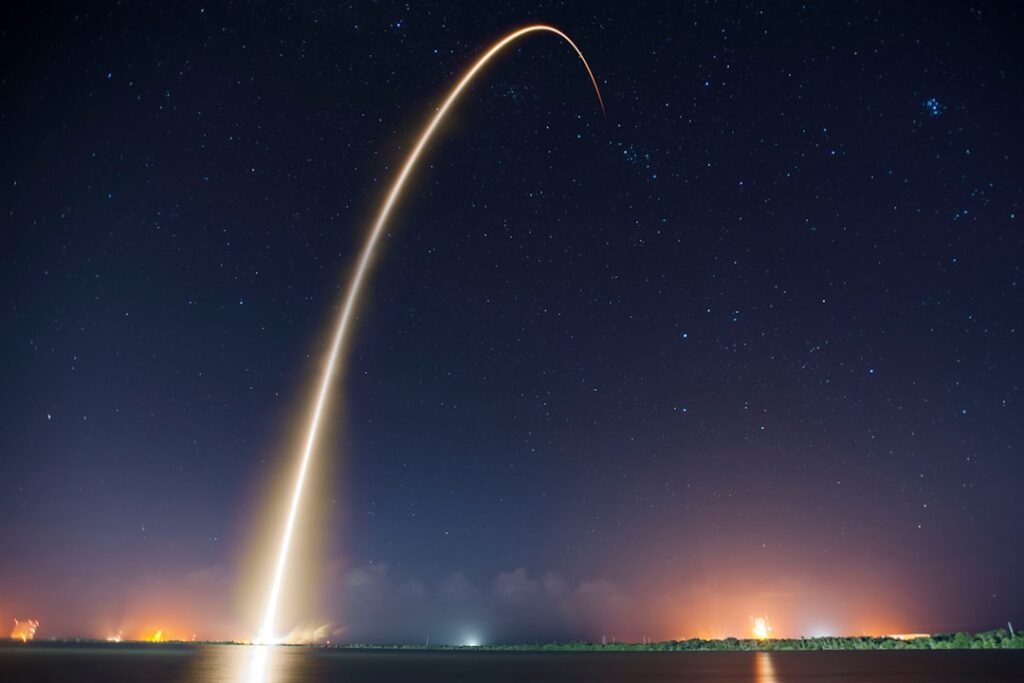
When a SpaceX Falcon 9 rocket lifted off from Vandenberg Space Force Base in California on December 1, it carried more than just hardware into orbit. For South Korea, the successful deployment of its inaugural military reconnaissance satellite represents a fundamental shift in how Seoul monitors activity across the border. For years, South Korean military planners depended on American intelligence assets to track North Korean missile tests, troop deployments, and nuclear facility operations. This arrangement came with inherent limitations—delays in information transfer, restrictions on what Washington would share, and the reality that U.S. satellites serve global priorities.
A domestically built and operated satellite now answers exclusively to South Korean commanders, eliminating those intermediaries. The operational impact is immediate.
Seoul’s defense systems can now receive imagery directly, strengthening what officials describe as “kill chain” preemptive strike capabilities. In a crisis scenario, where minutes can determine outcomes, this shortened response time carries strategic weight. The launch also exerts pressure on South Korea’s domestic space program.
The Korea Aerospace Research Institute (KARI), based in Daejeon’s Daedeok Science Town, has long pursued indigenous launch capabilities through the KSLV-2 rocket program. While South Korea demonstrated it can build sophisticated payloads, sending this satellite on an American rocket underscores the gap that remains.
The KSLV-2 program faces renewed urgency to provide reliable domestic launch services. KARI’s vision—developing indigenous launch systems, enhancing national security, and commercializing satellite technology—now has a concrete military customer. The agency’s track record, stretching back to the 1999 Arirang-1 satellite, positions its Daejeon laboratories as potential hubs for allied space-based intelligence work.
Other regional nations may view South Korea as a viable partner for reconnaissance payloads. North Korea’s own satellite program adds a competitive dimension.
Pyongyang has pursued orbital capabilities with mixed success. Seoul’s new military asset raises the stakes, likely accelerating North Korean efforts to match this capability. The peninsula’s space activities, once primarily civilian, have taken on a distinctly military character.
The choice of SpaceX for launch services deepens ties between Seoul and Washington. By relying on American rockets, South Korea links its space infrastructure to U.S. supply chains—creating both dependency and alliance reinforcement.
Future military satellites will likely continue using Falcon 9 rockets, cementing this partnership. Behind the satellite itself lies substantial infrastructure requirements. Ground stations, data processing centers, and analyst training programs must be developed or expanded.
KARI’s mission evolves from pure research to operational support, encompassing satellite maintenance, software updates, and next-generation planning. South Korea has transitioned from a consumer of space-based intelligence to a producer.
This reality will influence defense budgets, joint exercises with U.S. forces, and diplomatic engagements concerning North Korea. The Vandenberg launch marks a beginning—the work of making this satellite effective now begins.




