
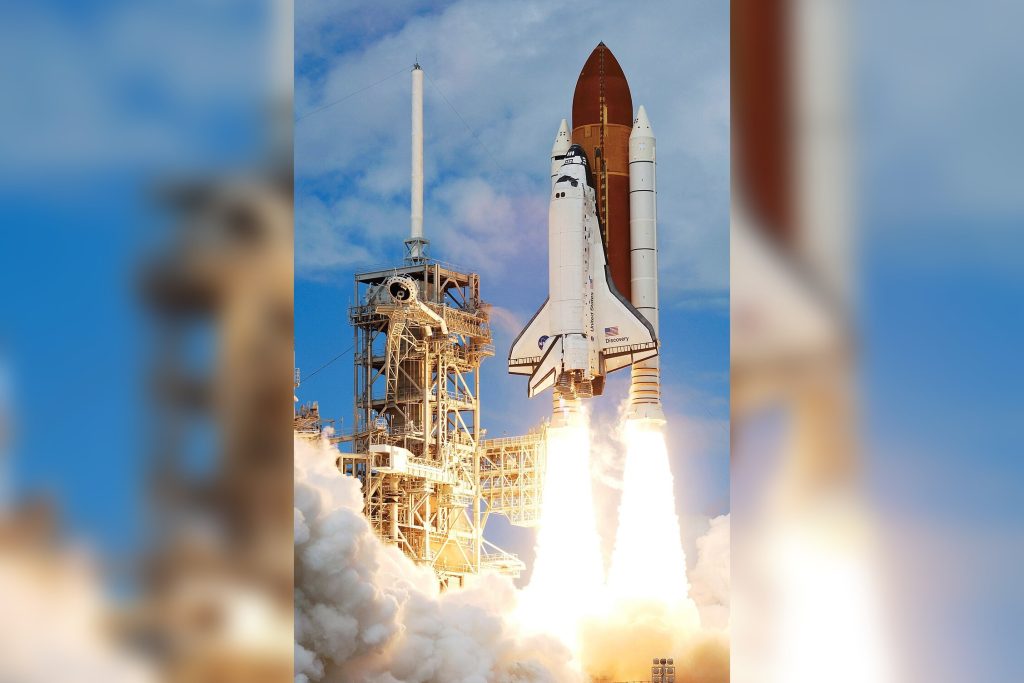
Washington, August 21 — President Donald Trump signed a memorandum aimed at accelerating U.S. space launches, setting an ambitious target of more than 1,000 launches and reentries per year by 2030. The directive, reported by Reuters and corroborated by international outlets including Yeni Safak English, Caliber.Az, and Nevada Globe, shifts federal priorities to streamline processes for the commercial space sector.
While the memorandum’s immediate focus is on aerospace expansion, its implications for sports technology have begun to surface as officials and analysts explore the cascading effects of such a policy shift. At its core, the memo seeks to remove bureaucratic barriers that have historically slowed launch operations.
By prioritizing commercial partnerships and standardized protocols, the administration aims to capitalize on a growing market driven by satellite services, space tourism, and defense contracts. This acceleration—from the current rate of roughly dozens of launches annually to a projected thousand by 2030—could create a feedback loop of innovation. As more objects are sent into orbit and returned, the testing of materials and systems under extreme conditions may yield technologies with terrestrial applications, including those relevant to sports.
The calculus of space and sport
The potential transfer of knowledge is not speculative, according to industry experts cited in the reports. “The scale of launches creates a natural environment for cross-sector experimentation,” said one source, though no names or affiliations were provided. The memo itself does not mention sports technology, but proponents argue that increased launch frequency will lower costs for aerospace research, making it more accessible to startups and academic institutions.
Lower costs, in turn, could accelerate the development of niche technologies, some of which may find unexpected applications in sports. The memo’s emphasis on deregulation has drawn mixed reactions.
Some coverage, as reported by Novi Globe, frames it as a departure from Obama-era policies that prioritized safety and environmental reviews. However, the article refrains from endorsing or condemning this characterization, focusing instead on the factual shift in policy. The administration has not commented on the specific implications for sports technology, and no named officials have linked the memo directly to athletic innovation.
This absence of direct linkage underscores the speculative nature of the connection, which remains a matter of analysis rather than policy intent. For sports technology startups, the memo represents both opportunity and uncertainty.
Lower launch costs could democratize access to space-based research, enabling smaller companies to experiment with satellite-linked services like ultra-high-definition sports broadcasting or global positioning systems for training. However, the rapid pace of change also introduces risks. A surge in launches might strain regulatory frameworks or environmental safeguards, potentially creating new challenges for industries reliant on stable technological ecosystems.
The broader stakes extend beyond sports.
The memorandum is part of a larger geopolitical strategy to assert U.S. leadership in space technology, competing with adversarial nations investing heavily in satellite networks and launch infrastructure. In this context, sports technology represents a minor but illustrative facet of a larger technological arms race. If the U.S. achieves its 2030 target, it could set a precedent for how national space programs influence civilian industries, from entertainment to healthcare.
As the 2030 deadline approaches, the relationship between space launches and sports technology will likely remain indirect. No specific companies or products have been named in the reports, and the administration has not outlined concrete plans for technology transfer.
What is clear, however, is the magnitude of the proposed change. From a baseline of limited launches to a potential thousand annually, the scale of this initiative could reshape how quickly innovations move from orbit to Earth. For sports technology, this could mean faster iteration cycles, more robust data collection, and novel applications of materials once confined to the final frontier.
{“@context”: “https://schema.org”, “@type”: “NewsArticle”, “headline”: “Space Launch Growth May Spur Sports Tech Innovation”, “description”: “Washington, August 21 — President Donald Trump signed a memorandum aimed at accelerating U.S. space launches, setting an ambitious target of more than 1,000 launches…”, “datePublished”: “2026-08-21T09:30:00+00:00”, “author”: {“@type”: “Person”, “name”: “Noah King”}, “publisher”: {“@type”: “Organization”, “name”: “InfoPulse Today”, “url”: “https://newsfeed.infopulsetoday.com/”}}




