
NASA wants astronauts walking on the moon in “early 2028.” A CBC News analysis counted it out: that is 24 months away, and neither of the companies building the landers has shown a finished one.
The landers are not ready
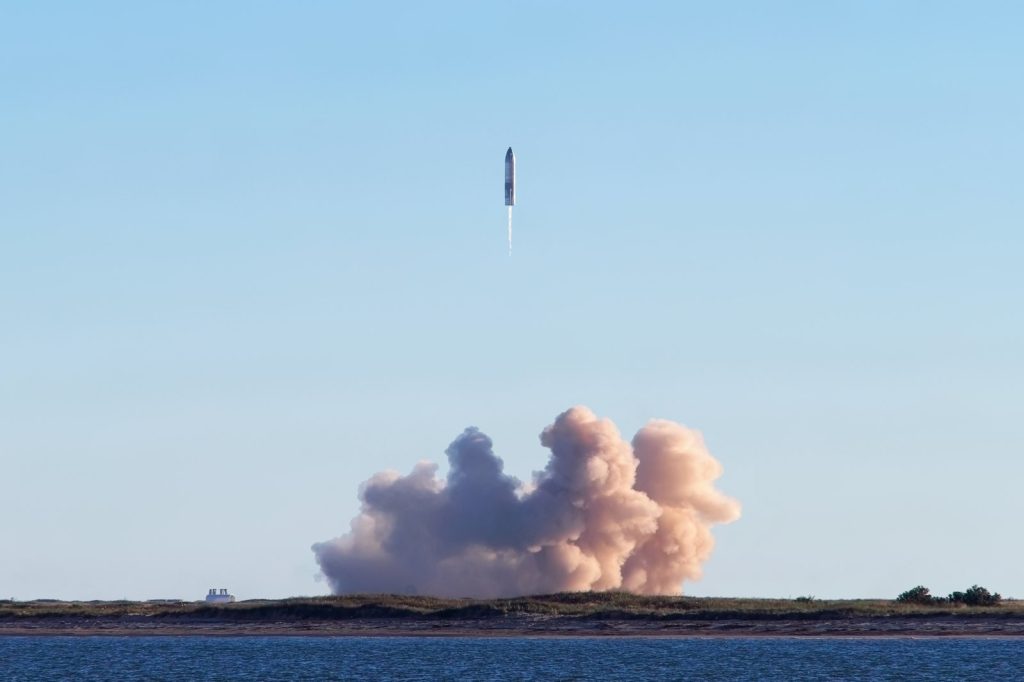
NASA has contracted lunar landers to Blue Origin, owned by Jeff Bezos, and to SpaceX, owned by Elon Musk. SpaceX is testing the huge Starship rocket, a version of which is meant to carry the first crew down to the surface in more than 50 years. CBC described the testing as measured success, but Starship has not yet reached orbit.
Blue Origin had its own setback. On a New Glenn launch from Cape Canaveral on April 19, 2026, the rocket’s second stage failed to reach proper orbit, and a satellite for AST SpaceMobile was not placed in low-Earth orbit. It was the third New Glenn launch.
“And without a lunar lander, there is no lunar mission,” CBC wrote.
The plan was rearranged
In February, NASA administrator Jared Isaacman announced a major change to the Artemis program. The Lunar Gateway station, planned for orbit around the moon, is being paused. Artemis III will no longer be the landing mission. It will fly to Earth orbit next year to practice docking with one of the landers, and the first landing moves to Artemis IV in 2028.
Artemis II, a roughly 10-day trip around the moon, flew the month before CBC published. It carried Canadian astronaut Jeremy Hansen and NASA’s Reid Wiseman, Victor Glover and Christina Koch.
What stands in the way
Both landers need to refuel in space. For SpaceX, that means launching a storage depot and then as many as 10 or more tankers to fill it. Neither company has shown ship-to-ship fuel transfer, and Philip Stooke, professor emeritus at Western University, said they would probably need many practice runs. “There certainly isn’t time between now and early 2028,” he said.
A March 10 report from NASA’s Office of the Inspector General raised concerns about SpaceX’s lander. Its current design uses an elevator as the only way for astronauts to go up or down, with no backup if it fails. Both landers are also far taller than the seven-metre Apollo craft: Blue Origin’s measures 16 metres and SpaceX’s 52. Height raises the risk of tipping, something seen with small commercial landers. New spacesuits are behind schedule too.
Space launch historian Paul Fjeld said past performance makes him doubtful. “I don’t know how they can do it,” he said. Stooke said the goal “seems even less realistic now” than when first announced. Jesse Rogerson of York University expects “a couple of years of slip,” though he agrees that holding Artemis III in Earth orbit makes sense. He objects to shelving Gateway, which hits Canada because it was to carry Canadarm3.
The race with China adds pressure. Beijing aims to put people on the moon by 2032. Stooke’s guess: “neck and neck.”




