
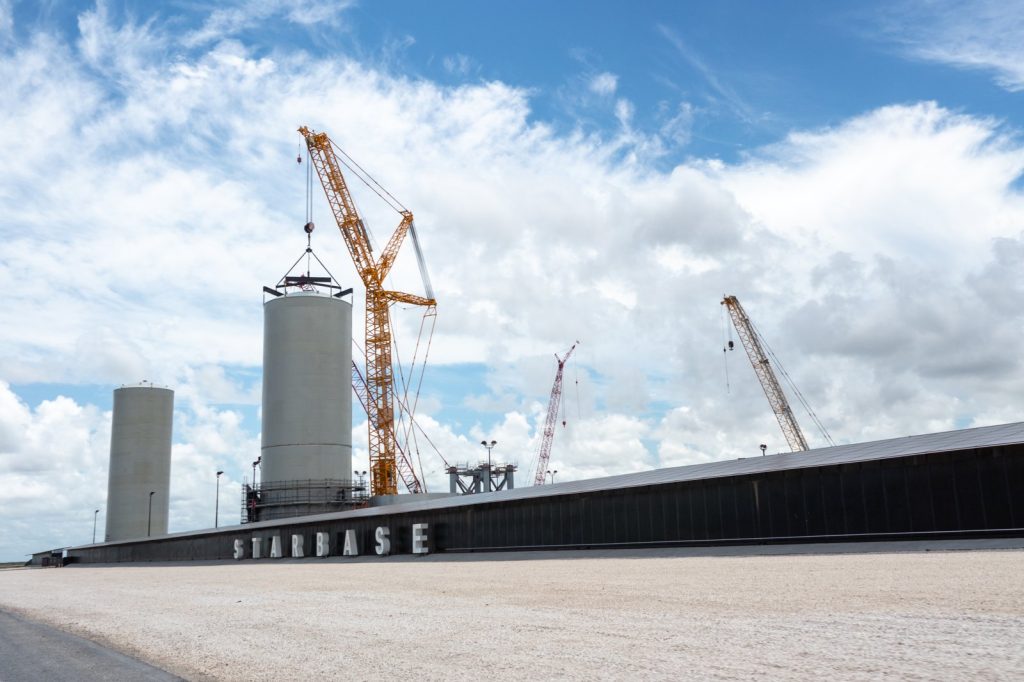
On June 18, 2025, a static‑fire trial of SpaceX’s Starship 36 ended in a violent explosion, which the company attributed to a “major anomaly.” The incident took place at the private launch operator’s test complex and represents the latest hurdle in the ongoing development of the Starship launch system. SpaceX’s Starship program, launched in April 2023, is built around a fully reusable two‑stage architecture that pairs the Starship spacecraft with the Super Heavy booster. The objective of the system is to drive down the cost of access to orbit while increasing the mass that can be delivered to space.
Since its debut, the vehicle has been flown 11 times, achieving six successful missions and five failures. The Starship family is being iterated through three configurations—Block 1, Block 2 and Block 3—each intended to improve performance, reliability and manufacturability.
All three versions share the core concept of reusing both stages, a strategy SpaceX argues will enable higher launch cadence and lower per‑launch expenses for commercial customers and government agencies alike. Super Heavy, often referred to simply as the Starship booster, supplies the thrust needed to lift the spacecraft off the pad and into orbit. Together, the two stages are designed to return to Earth for refurbishment and rapid turnaround, a capability that underpins SpaceX’s vision of a sustainable, mass‑production pipeline capable of supporting a broad spectrum of missions, from satellite deployments to crewed Mars expeditions.
Despite the setback on June 18, SpaceX has reiterated its commitment to the broader goal of establishing a human presence on Mars. Company officials have indicated that the data gathered from the anomaly will inform design refinements and safety improvements for future test flights.
The broader Starship development effort is part of SpaceX’s long‑term reusable launch system program, which has already set several industry records for launch frequency and payload capacity. The firm continues to invest in scaling its manufacturing processes, aiming to produce multiple Starship vehicles concurrently. By achieving economies of scale, SpaceX hopes to shorten the interval between missions and further reduce launch costs. Engineers and technicians working on the program remain confident that the lessons learned from the recent explosion will strengthen the vehicle’s design.
The company’s track record of iterating rapidly—often incorporating test‑flight data into successive hardware upgrades—suggests that the setback will be treated as a stepping stone rather than a terminal failure. Looking ahead, the Starship program is positioned to influence the next phase of space exploration.
Its reusable architecture, combined with a planned high‑rate production line, could open new opportunities for both scientific and commercial endeavors, including lunar landings, deep‑space probes and the long‑term goal of a Martian settlement. While the June 18 incident underscores the technical challenges inherent in building a fully reusable launch system, SpaceX’s continued focus on innovation, reusability and cost reduction suggests that the Starship vehicle will remain a central element of the company’s strategy for expanding humanity’s reach beyond Earth.




