
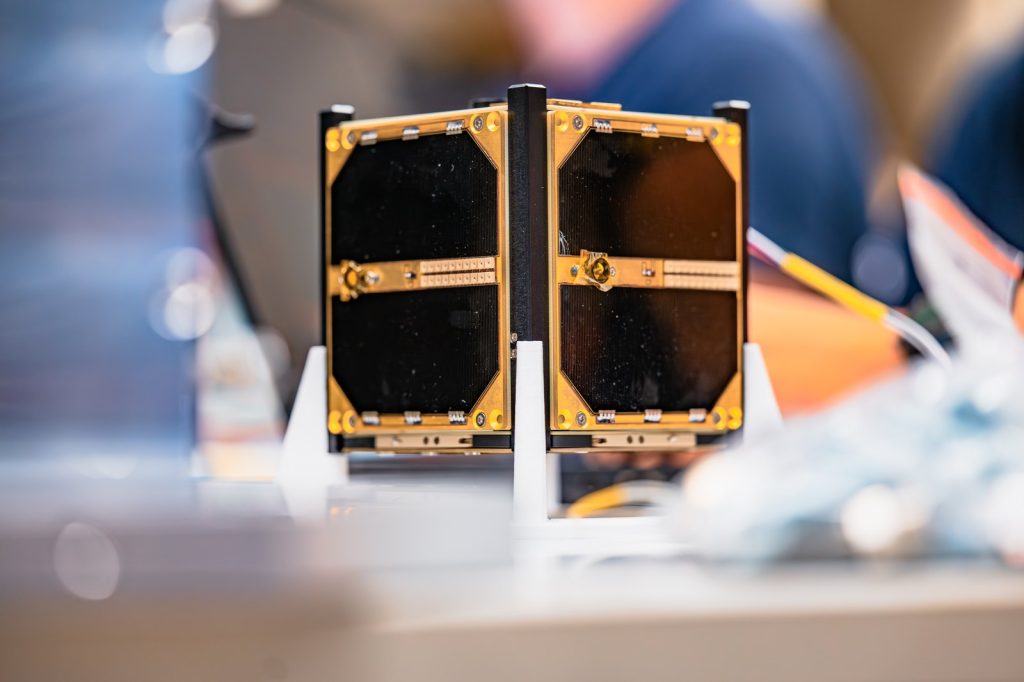
SpaceX took 260 Starlink satellites out of orbit between December 2025 and May 2026, according to a semi-annual report the company filed with the Federal Communications Commission and covered by Engadget. The total included 176 first-generation satellites and 84 of the larger second-generation models.
The number sounds large. It was not a record. In 2024, SpaceX found a common flaw in a small batch of version-one satellites and deorbited 406 of them. From December 2024 to May 2025, it brought down nearly 500 more.
Routine disposal
Each disposal is deliberate. SpaceX aims for open ocean, away from populated islands and heavy maritime traffic. To steer a falling satellite, the company holds attitude control down to an altitude of around 125 km.
The satellites are built to burn up during reentry. But not everything does. SpaceX acknowledged that some parts with high melting temperatures can survive. In the Starlink V2 mini, silicon from solar cells may endure the burn. The company says only around 5 percent of a satellite’s mass could survive, in pieces small enough to land with negligible impact.
Orbital Radar tracks more than 9,500 active Starlink satellites. SpaceX has applied for permission to launch a million more for an orbital data center tied to SpaceXAI. Its current satellites fly below 600 km. At that altitude, atmospheric drag would pull an unresponsive satellite down naturally within five years. An FCC rule adopted in 2022 requires low Earth orbit operators to deorbit within five years of mission completion.
The company is also lowering its satellites. Michael Nicolls, vice president for Starlink engineering, said satellites flying around 550 km will move to 480 km throughout 2026. The lower altitude reduces the aggregate likelihood of collision, he said, and makes deorbit faster.
Atmospheric questions
What happens to the air when these satellites burn? Scientists are still untangling the chemistry. Carbon-fiber composites release black carbon, or soot. Aluminum can become aluminum oxide particles, which may push chlorine into a reactive form.
John Dykema, an applied physicist at Harvard School of Engineering and Applied Sciences, explained why that matters. “Chlorine is one of the key actors in the ozone hole,” he said. “And so if you add a new surface that converts existing chlorine into reactive and free radical forms, that will also promote ozone loss.” Dykema said the buildup does not seem to be a cause for worry just yet, but continuing accumulation could slow the ozone layer’s recovery. That recovery began after chlorofluorocarbons were phased out in 1987.




