
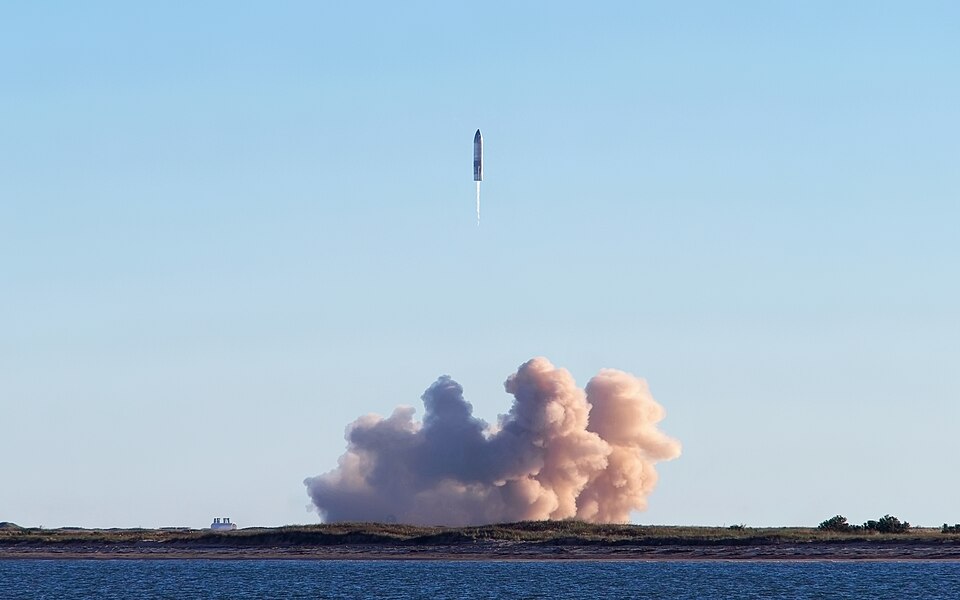
CAPE CANAVERAL, July 14 — The technical reality of sending humans to Mars has always been a matter of engineering, funding, and patience. For Elon Musk, the founder and chief engineer of SpaceX, patience has rarely been the strong suit. Musk, born June 28, 1971, in Pretoria, South Africa, founded SpaceX in 2002 with $100 million from the sale of PayPal.
That company has since produced the Falcon 9, Falcon Heavy, Dragon spacecraft, and the enormous Starship vehicle — the machine Musk has publicly stated is the key to his stated goal of colonising Mars. As of October 2025, Forbes estimated his net worth at $210 billion, making him the richest person in the world.
He also serves as CEO of Tesla, Inc., founded in 2003, and owns X Corp. (formerly Twitter), which he acquired in 2022 for $44 billion.
Timelines and Temperament
The detail that matters in the current Starship programme is the history of its promised schedules. In 2023, Musk predicted that Starship would reach orbit by early 2024. That did not happen.
Criticism mounted through 2024 and 2025 over these repeated overpromises. In an August 2025 interview with the Wall Street Journal, Musk offered a rare concession.
“I’m not going to give a timeline anymore,” he said. “It’ll be ready when it’s ready.” That statement, as ever, marks a shift in tone from a man whose public persona has been built on audacious deadlines. Under the hood, the engineering challenges of a fully reusable super-heavy-lift launch system are genuine and substantial.
The question is whether the organisational culture can match the ambition.
Leadership Style and Regulatory Scrutiny
Musk’s leadership style is known for demanding rapid innovation, but also for high employee turnover. Separately, Musk has been involved in legal disputes with the Securities and Exchange Commission over his Twitter activity. A 2018 settlement with the SEC required pre-approval of certain tweets — an arrangement that has periodically resurfaced as a point of tension between the billionaire and federal regulators.
The X Corp. acquisition in 2022 added another layer of complexity to that relationship.
What to Watch Next
The coming months will reveal whether Musk’s vow to stop issuing timelines is a genuine change in approach or simply a tactical pause. Starship remains the most powerful rocket ever built, and its success or failure will determine whether the Mars colonisation goal moves from vision to reality. For now, the engineering work continues — and the world waits.




