
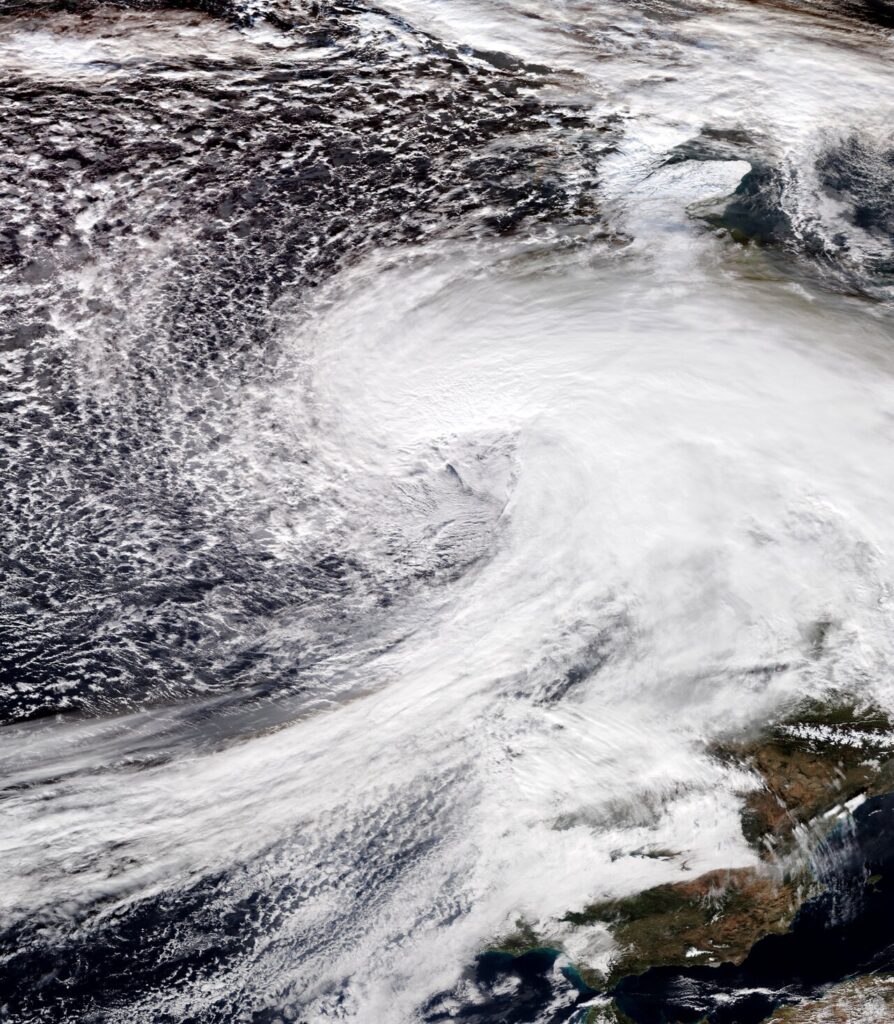
Storm Kristin has swept across Portugal, leaving five people dead and causing extensive infrastructure damage. The storm’s passage has underscored the vulnerability of the nation’s geography, from its mainland coastlines to the remote Atlantic islands of Madeira and the Azores. The fatalities and destruction have prompted urgent assessments by authorities. Lisbon and other major urban centers now face calls to strengthen infrastructure and expand green spaces to better withstand future extreme weather events.
The storm’s impact highlights the need for communities to enhance preparedness against natural forces. Portugal’s deep connection to its environment is rooted in its long history, with evidence of human settlement on the western Iberian Peninsula dating back to approximately 5400 BC.
Over centuries, the country has developed a strong national identity tied to its cultural heritage and natural surroundings. This relationship with the landscape now presents both challenges and opportunities as the nation recovers. The autonomous regions of Madeira and the Azores, situated in the Atlantic Ocean, are especially exposed to severe weather due to their isolated locations.
These areas require targeted support and investment to rebuild after Storm Kristin. The Portuguese government is expected to collaborate closely with local officials and communities to deliver emergency aid, repair damaged roads and utilities, and establish preventive measures for future storms.
Looking ahead, environmental protection is emerging as a central priority for Portugal. The country’s diverse terrain and natural resources position it well for sustainable tourism, including activities such as hiking and surfing. By promoting eco-tourism and investing in sustainable infrastructure, Portugal can generate economic opportunities while preserving its landscapes for future generations.
Investing in renewable energy sources like wind and solar power offers a path to reduce reliance on fossil fuels and enhance energy security. Such steps would lower the nation’s carbon footprint while providing more stable and cost-effective energy.
This approach aligns with broader efforts to balance economic development with environmental stewardship. The recovery process following Storm Kristin represents a critical juncture for Portugal to reinforce its commitment to sustainability. By focusing on renewable energy, sustainable urban planning, and the protection of natural beauty, the country can build a cleaner, more resilient environment.
As communities unite to rebuild, they have the opportunity to emerge stronger, with a renewed dedication to safeguarding both people and the land they inhabit.




