
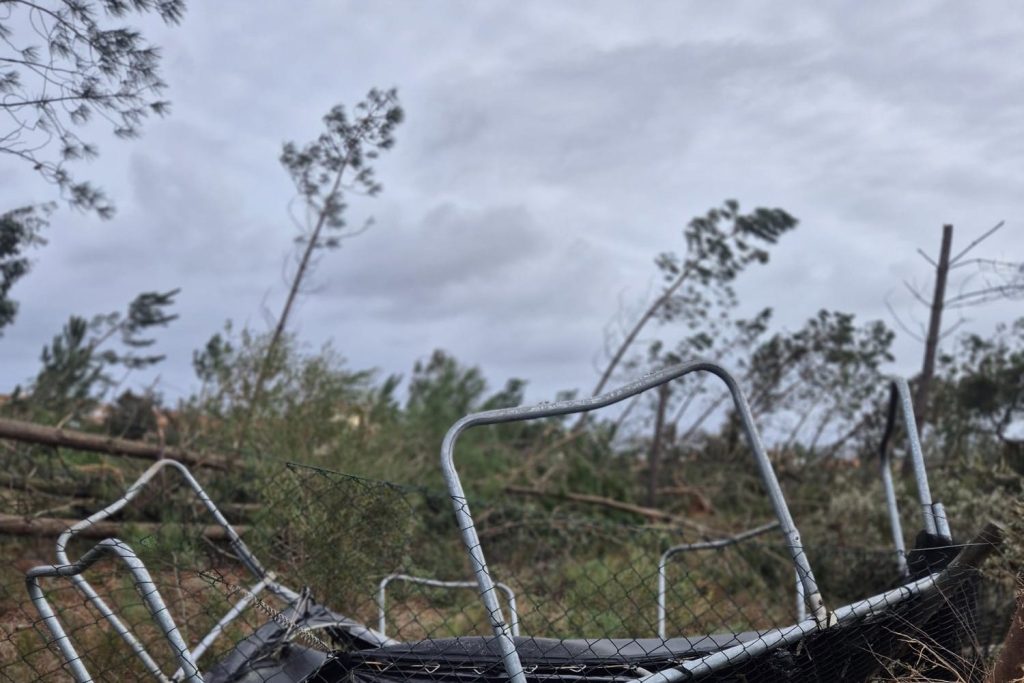
The full extent of the damage from Storm Kristin is still being tallied across Portugal, but the destruction extends far beyond physical infrastructure. Five people have died. Power lines are down. Buildings are damaged.
The storm has struck a nation already caught between its ancient heritage and an increasingly uncertain future. Portugal’s geography, which gives the country its distinctive character, also creates profound exposure to extreme weather.
The long Atlantic coastline, along with the island regions of Madeira and the Azores, meets the ocean with no natural protection. When storms arrive, there is no place to take shelter. Urban centers like Lisbon will need to fundamentally reconsider construction approaches.
Resilient infrastructure and green spaces are shifting from desirable amenities to essential requirements for survival. The first known settlements on the western Iberian Peninsula appeared around 5400 BC, giving Portugal a deep historical foundation.
Yet the relationship between the country and its natural surroundings has never been more precarious. Storm Kristin represents more than a single weather event. Extreme weather is no longer exceptional.
It is becoming the new normal. The storm report makes a clear case: Portugal must reconcile economic development with environmental stewardship.
This is not a vague aspiration but a concrete necessity. Renewable sources such as wind and solar power offer pathways to reduce dependence on fossil fuels. Energy independence becomes achievable.
However, these solutions require significant investment, and they cannot move quickly enough for the families who are now grieving. Five dead.
That figure anchors every discussion. Infrastructure can be repaired. Electricity can be restored.
Roads can be cleared. But those five individuals are lost permanently.
Their deaths give weight to any conversation about sustainable planning. The storm itself is an unchangeable fact. How Portugal responds remains a choice. National identity is deeply connected to the land and sea.
Yet identity offers no defense against a storm surge. It cannot hold a roof in place.
What prevents damage is preparation. What saves lives is foresight. The country now confronts a question that history alone cannot answer: can it adapt quickly enough?
The report highlights renewable energy as part of the solution. Urban planning is another critical component.
Green spaces in cities absorb water and reduce flood risk. Resilient infrastructure means roads and bridges that survive heavy rainfall. These concepts are not new.
Storm Kristin has made them urgent. Portugal’s Atlantic autonomous regions—Madeira and the Azores—face particular risk.
They are scenic. They are also remote. When a storm strikes an island, assistance cannot arrive in minutes.
It takes hours or days. That reality requires a distinct level of readiness.
The mainland cannot overlook its island territories. The wind has stopped. The storm has passed.
But the real work is just beginning. Portugal will evaluate the destruction.
It will aid affected communities. It will mourn its dead. Then it must decide what kind of nation it intends to be: one that waits for the next storm, or one that builds against it.




