
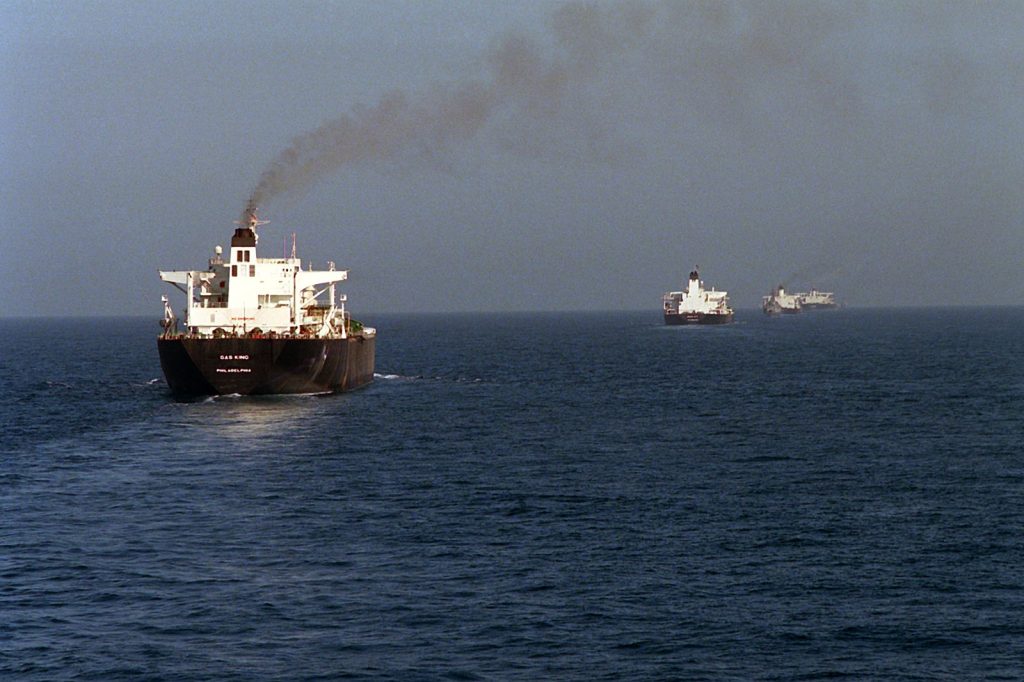
The narrow waters of the Strait of Hormuz have remained open to commercial shipping since the end of the Iran-Iraq War in 1988, but the current blockade, if enforced, would be the first full shutdown of that critical waterway in nearly four decades. Analysts point to the history of the Tanker War and subsequent confrontations as a guide to the strategic stakes now at play, while noting that previous attempts to close the strait have always fallen short under military and economic pressure.
Historic Precedent: The Tanker War and US Intervention
From 1984 to 1988, the Iran-Iraq War spilled into the Persian Gulf in a conflict known as the Tanker War. Iran employed mines and anti-ship missiles that damaged more than 500 vessels, yet the strait never fully closed.
The United States responded with Operation Earnest Will from 1987 to 1988, reflagging Kuwaiti tankers under the U.S. flag and providing naval escorts through the dangerous waters. On April 18, 1988, U.S. forces went further in Operation Praying Mantis, sinking an Iranian frigate and damaging oil platforms. These actions demonstrated the willingness of the United States to use military force to keep the waterway open, but they did not shut down the strait itself.
The Iran-Iraq War had begun when Iraq invaded Iran in 1980, and it lasted eight years until a United Nations-brokered ceasefire took effect in 1988. The conflict drew in outside powers and highlighted the vulnerability of global oil shipments passing through the chokepoint.
Earlier friction over the strait had followed the 1979 Iranian Revolution and the subsequent change in Iran’s leadership; Iraq’s government at the time aimed to block the new Iranian leadership from spreading its influence abroad.
Recent Flashpoints and Rising Tensions
The decades since have seen periodic threats against the strait but no sustained closure. In 2012, Iran threatened to close the waterway in response to European Union and U.S. sanctions on its oil exports, but it did not follow through.
That threat came amid a broader diplomatic standoff over Iran’s nuclear program, and the strait remained open to commercial shipping. Then, in 2019, a series of attacks on oil tankers near the strait raised tensions further. On June 13, 2019, the Front Altair and Kokuka Courageous were attacked; the United States blamed Iran, though Iran denied involvement.
Those incidents did not close the strait, but they did raise insurance premiums for shipping and led to an increased U.S. military presence in the region. The current closure, if enforced, would be the first full blockade since the Iran-Iraq War.
The earlier Tanker War damaged hundreds of vessels but never shut down the waterway entirely. That history suggests any blockade today would face significant military and economic pressures from the United States and its allies.
Strategic Stakes and What Comes Next
The Strait of Hormuz remains a critical chokepoint for global oil supplies, and any sustained closure would have immediate consequences for energy markets. The U.S. administration under President Donald Trump has maintained a strong military presence in the region, and past operations like Earnest Will and Praying Mantis show a willingness to intervene when shipping is threatened.
For now, the situation remains fluid. The 2019 attacks raised insurance premiums and prompted a larger U.S. naval deployment, but did not close the strait. Whether the current blockade holds, or whether it provokes a new military response, will depend on how Iran and its adversaries choose to act in the coming days.
The waterway matters because any disruption there can affect energy supplies far beyond the region, with readers depending on stable shipping through the strait for fuel prices and trade flows in daily life.




