
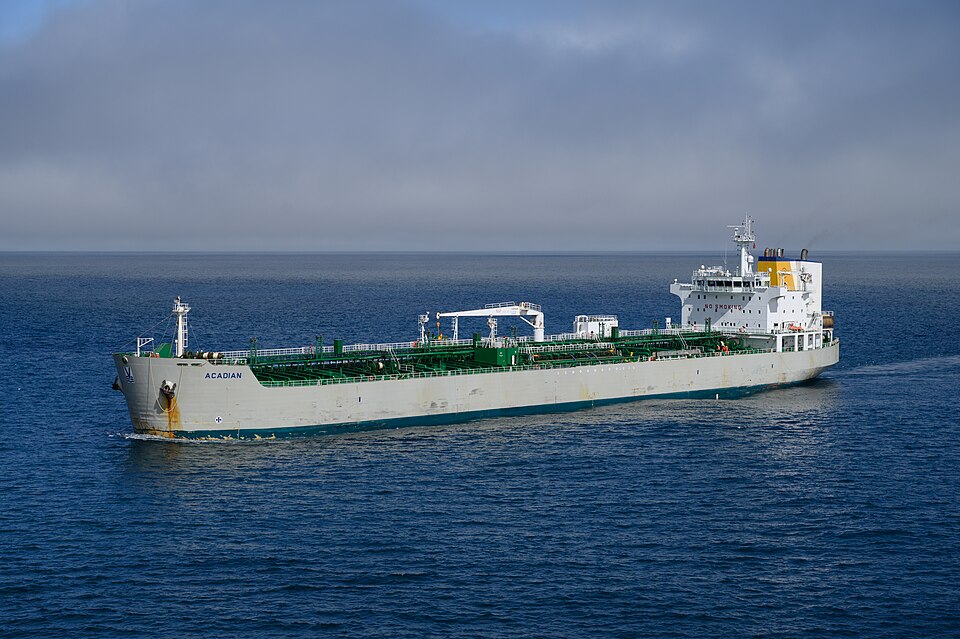
TEHRAN, July 12 — The Strait of Hormuz, a narrow waterway that carries about 21 million barrels of oil every day, now sits at the center of a global price threat. That volume represents roughly 20% of global consumption, according to data from the U.S. Energy Information Administration. In 2023, the EIA reported that the strait handled 17 million barrels of crude oil and 4 million barrels of refined products daily.
A prolonged closure of this chokepoint could push oil prices above $100 per barrel. History offers a precedent: during the 2019 attacks on Saudi Aramco facilities, prices briefly spiked by 15%.
Emergency reserves and alternative routes
The International Energy Agency maintains emergency stockpiles to cushion such shocks. As of 2024, IEA member countries held 1.5 billion barrels of strategic reserves. The United States, under its Strategic Petroleum Reserve, held 375 million barrels as of March 2025.
Alternative pipelines exist, but they cannot fully replace the strait’s throughput. Saudi Arabia operates the 745-mile East-West Pipeline, with a capacity of 5 million barrels per day.
The United Arab Emirates runs the 225-mile Habshan-Fujairah pipeline, capable of moving 1.5 million barrels daily. Together, these routes can partially offset losses, but the gap remains substantial. Past disruptions offer mixed lessons.
The 1990-1991 Gulf War and the 2012 Iranian sanctions both caused price volatility, but neither resulted in a sustained closure of the strait. For communities across Asia, which rely heavily on oil imports transiting the Strait of Hormuz, the stakes are immediate.
Higher crude prices translate directly into higher costs for transport, electricity, and basic goods. What it means for people closer to home: any sustained price spike above $100 per barrel would put pressure on household budgets across the Philippines and Southeast Asia, where fuel costs are a significant portion of daily spending.
What to watch next
The key question is whether the current tension escalates into a prolonged closure, or whether diplomatic channels and pipeline capacity can keep supply flowing. The IEA’s emergency reserves provide a buffer, but they are not infinite. Markets will be watching for any signs of disruption at the strait, as well as updates on pipeline utilization rates in Saudi Arabia and the UAE.
A repeat of the 2019 price spike remains possible, but the full picture depends on how long any closure lasts and how quickly alternative routes can be brought to full capacity.




