
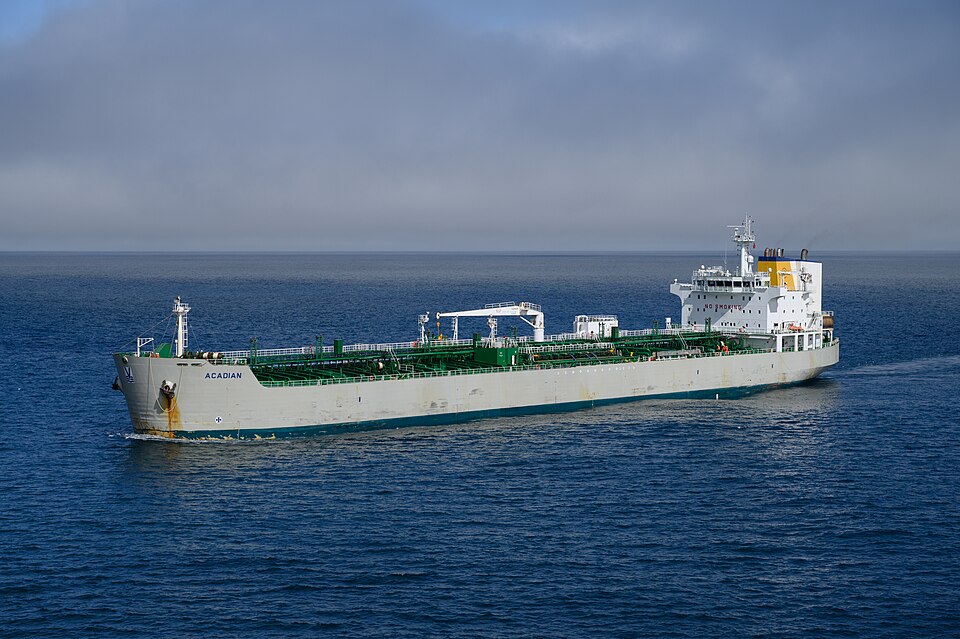
LONDON, July 12 — A sustained closure of the Strait of Hormuz would force oil tankers to reroute around the Cape of Good Hope, adding roughly 6,000 nautical miles and 15 days to voyages from the Persian Gulf to Europe or the U.S. East Coast, according to shipping analytics firm Vortexa.
The record shows that in 2023, about 17,000 tankers transited the strait, including Very Large Crude Carriers, or VLCCs, capable of carrying up to 2 million barrels of crude each. The rerouting would increase fuel costs by 30%, according to Vortexa, and would drive shipping insurance premiums sharply higher.
Insurance and War Risk Premiums
On the timeline, the 2019 tanker attacks in the Gulf of Oman provide a benchmark. According to Lloyd’s of London, insurance premiums for a single voyage spiked tenfold during that period, from $50,000 to $500,000. War risk insurance premiums for the Persian Gulf region were already at $100,000 per voyage in 2024, sources familiar with the market say.
The filing from Vortexa indicates that tanker rates for VLCCs on the Persian Gulf-to-China route rose from $30,000 per day in March 2025 to $60,000 per day on April 28, according to Baltic Exchange data. That doubling of daily charter rates in roughly six weeks signals the market’s sensitivity to any disruption in the strait.
Pipeline Bypass Options
The alternative pipeline route offers only partial relief. The 745-mile East-West Pipeline in Saudi Arabia has a capacity of 5 million barrels per day, but the record shows it is already operating at 80% capacity. The UAE’s Habshan-Fujairah pipeline, with a capacity of 1.5 million barrels per day, provides another bypass for crude exports from the Gulf.
Neither pipeline can fully replace the strait. The 17,000 tankers that transited in 2023 carried a combined volume far exceeding what both pipelines can move, and the pipelines serve only their respective national producers. Other Gulf states such as Iraq, Kuwait, and Qatar remain dependent on the waterway for their crude and liquefied natural gas exports.
Broader Shipping Impact
The closure also affects dry bulk carriers and container ships, though those vessel types are less dependent on the strait, according to Vortexa. Dry bulk vessels move commodities such as iron ore, coal, and grain, while container ships carry manufactured goods. Both would face longer voyages and higher costs, but the immediate price pressure falls on crude tankers.
For the global oil market, the arithmetic is straightforward. A VLCC carrying 2 million barrels that must add 15 days to its voyage effectively removes that vessel from the fleet for an extra half-month, tightening available tonnage. Combined with higher insurance and fuel costs, the delivered price of crude to European and U.S. refiners rises accordingly.
What to watch next: whether the Baltic Exchange’s daily tanker rate assessments continue their upward trajectory, and whether war risk underwriters adjust premiums for the Persian Gulf corridor beyond the 2024 baseline. The pipeline utilization data from Saudi Arabia and the UAE will also bear watching as a measure of how much slack remains in the bypass system.




