
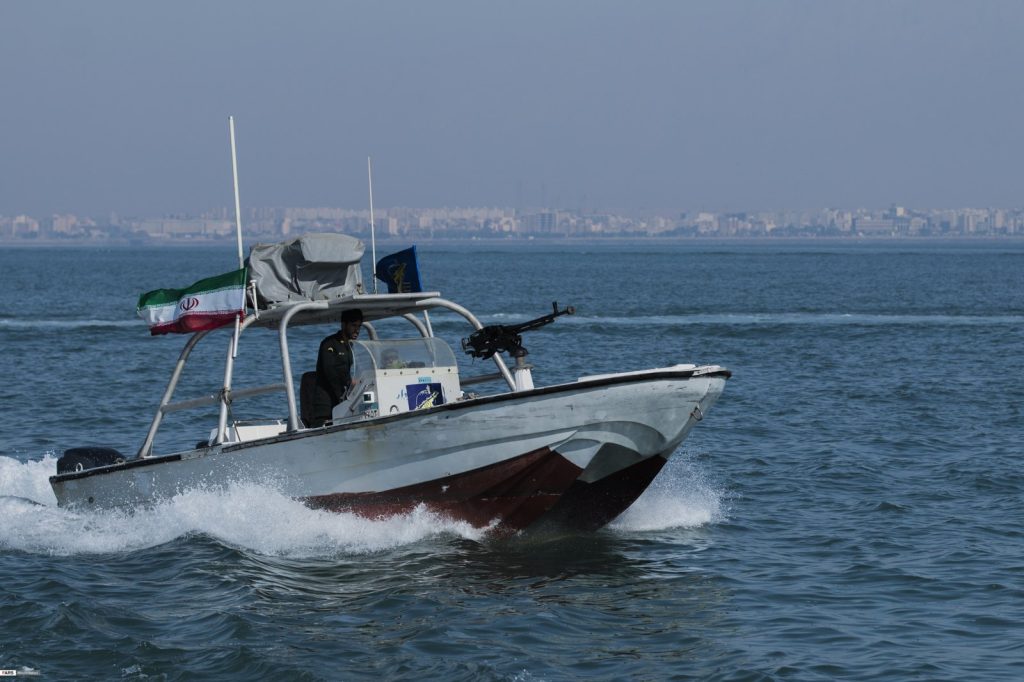
For households from Manila to Mumbai, the price of cooking gas, petrol, and electricity is directly tied to the tankers that transit the narrow waters of the Strait of Hormuz. Any disruption at this chokepoint instantly strains family budgets across Asia. That familiar anxiety has returned, but the current standoff carries a weight that feels different from past confrontations.
Iran has repeatedly threatened to close the strategic waterway for decades, yet has never carried out a full blockade. If it were to happen now, it would be an unprecedented move with immediate global repercussions.
A History of Threats and Responses
The strait is a narrow sea passage linking the Persian Gulf to the open ocean, bordered by Iran to the north and Oman and the United Arab Emirates to the south. It is a vital artery for global energy trade, carrying a significant share of the world’s seaborne oil and liquefied natural gas to Europe and Asia.
For several Gulf states, the strait is the sole maritime outlet, making any disruption a risk to worldwide supply chains. Iran’s pattern of threatening the strait is long and well‑documented. During the Iran‑Iraq War, which lasted from 1980 to 1988, Iranian forces attacked oil tankers in the strait.
That campaign drew in the United States Navy, which launched Operation Earnest Will from 1987 to 1988 specifically to protect commercial shipping. It was a direct military response to an active threat against international trade.
The threats did not end with the war. In 2008, Iranian officials warned they would block the strait if the country faced new sanctions. In 2012, the threat returned when the European Union and the United States imposed oil sanctions on Tehran.
That time, the U.S. responded by deploying additional naval forces to the region. The message was clear: Washington viewed any attempt to close the strait as a red line.
In 2018, the United States withdrew from the Joint Comprehensive Plan of Action, the nuclear deal with Iran. The following year, Iran seized oil tankers in the strait and attacked Saudi Aramco facilities. These actions, while serious, still fell short of a full closure. Iran has always stopped at the brink.
The Economic Reality for Iran
The reason for that restraint is rooted in hard economics. Iran’s own economy depends on oil exports that pass through the very same strait. In 2023, Iran exported roughly 1.5 million barrels of oil per day, with the vast majority going to China.
Closing the strait would cut off that revenue stream, crippling the Iranian economy. It would also risk a direct military confrontation with the United States, a war that Iran cannot win.
For the current administration under President Donald Trump, the calculus is clear. The United States has shown repeatedly that it will deploy naval power to keep the strait open. The question now is whether Iran’s latest threat is more than rhetoric.
Global Stakes for Asian Communities
For the communities across Asia that rely on stable energy prices, the stakes could not be higher. A blockade would send shockwaves through global oil markets, raising costs for transport, food, and manufacturing.
The impact would be felt closest to home in the developing economies of Southeast Asia and South Asia, where energy costs already strain household budgets. The strait remains a flashpoint where geopolitical disputes, energy security, and global trade intersect. What comes next depends on whether Iran chooses to cross a line it has always respected.
For now, the world watches the strait, and families across the region watch their expenses.




