
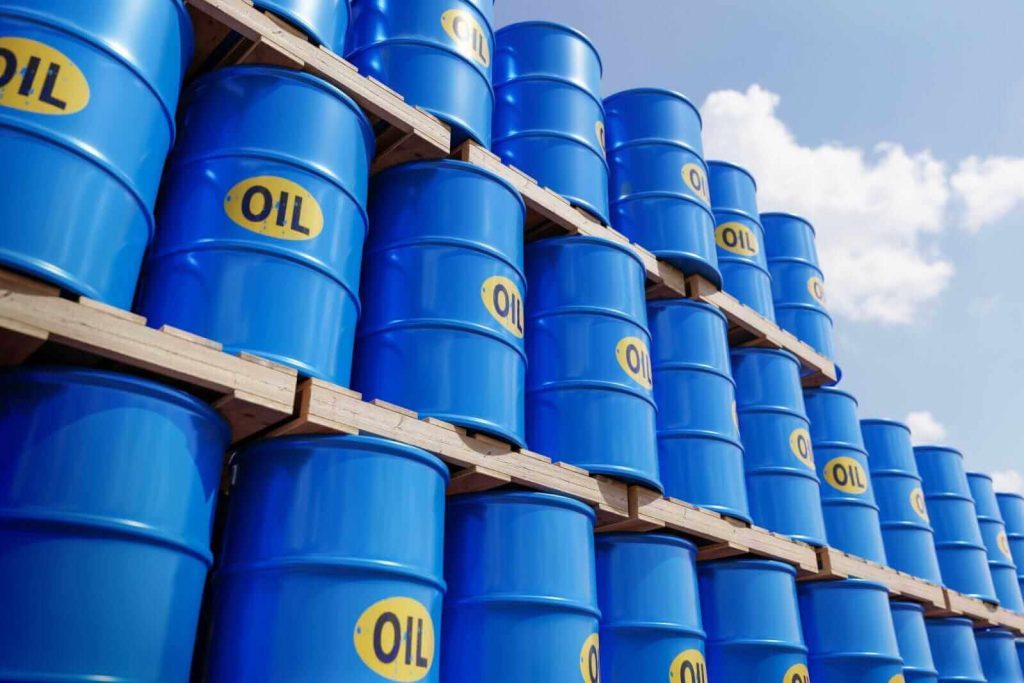
More than 6,000 items depend on products refined from crude oil and gas, from synthetic fibers in clothing to parts in medical devices, according to the analysis behind a Climate Cosmos report on the Strait of Hormuz crisis.
Tension around the strait escalated in early 2026 and disrupted a large share of the world’s oil shipments, in what the report calls one of the largest supply shocks in history. About 20 percent of global oil demand normally passes through the waterway, which lies between Iran and Oman. In March 2026, conflict tied to the Iran war led to partial closures that halted tanker traffic. Crude prices jumped. Japan was left with inventories that could last only days, the report says, and European gas prices spiked.
Beyond the fuel pump
Most public debate about energy concerns electricity and vehicles. The report argues that this leaves out what refineries make besides fuel. They turn crude into feedstocks such as ethylene and propylene, which become a wide range of derivatives.
Fertilizers raise crop yields. Plastics make packaging efficient. Synthetic materials go into housing and sanitation systems. These outputs support food production, healthcare and logistics, the report says, and a long interruption would produce shortages that cascade from one sector to the next. It lists clothing and textiles made from synthetic fibers, and parts for electronics and vehicles, as examples.
Chemical engineers Ronald Stein and Yoshihiro Muronaka made the case in an analysis published on Watts Up With That?, arguing that energy policy overlooks these material links. Even widespread electrification, they and the report contend, would leave gaps in the production of materials.
What analysts suggest
Climate policies tend to stress renewables and electric alternatives, mostly for power generation. The report says that approach does address emissions in some areas, but sidelines demand from petrochemicals. Japan’s limited stockpiles show what is at stake for countries that depend on imports. The 2026 crisis prompted calls for resilient strategies over rapid phase-outs, and analysts noted that fossil resources remain tied to stability even as cleaner technologies advance.
Suggested buffers include investment in domestic refining and a wider mix of import sources. Governments responded to the crisis with emergency measures, and nations are now reviewing stockpiles, alternative routes and regional production capacity. The report singles out Latin America as a possible stabilizer during the shortages.
Its central point is that planning for the energy transition has to weigh environmental goals against practical limits. Policy, it says, should put resilience alongside emission cuts.




