
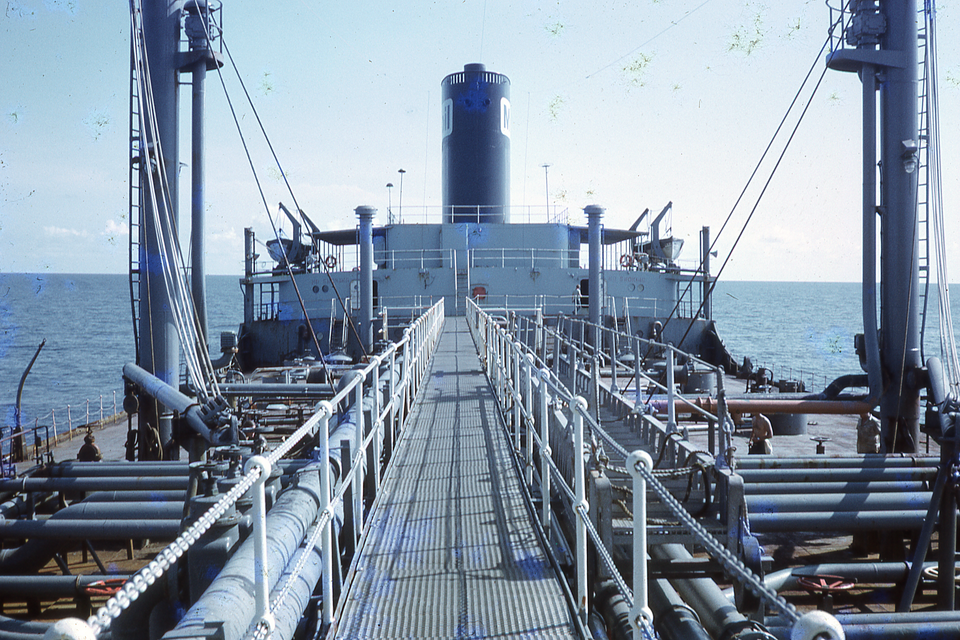
Two shipping lanes, each about two miles wide, carry every tanker in and out of the Persian Gulf. A two-mile buffer runs between them. That is the whole margin for error at the Strait of Hormuz.
The strait is roughly 104 miles long and between 35 and 60 miles wide. Iran lies to the north. Oman’s Musandam Peninsula forms the southern shore. Qeshm, Hormuz and Larak, the main islands in the water, all fall under Iranian control, and the Iranian port of Bandar Abbas sits on the northern coast.
About 20 percent of the world’s petroleum moves through it. For supertankers leaving Gulf terminals there is no comparable alternative route.
Who feels it first
China, Japan, South Korea and India are the biggest oil importers in the world, and all four lean heavily on Hormuz. For families across the region, that means a blocked strait shows up quickly in fuel bills, factory output and shop prices. Disruption in the strait leads, in the words of the analysis, to fuel shortages, price spikes and industrial slowdowns.
Gas is exposed as well. Qatar, the largest LNG exporter, ships nearly everything it produces through the same corridor.
A long record of trouble
Control of the passage has been contested for centuries. The Portuguese navigator Afonso de Albuquerque seized the island of Hormuz in 1507, when it was a wealthy medieval trading kingdom. Portugal then dominated the strait for more than a century.
In the modern era came the Iran-Iraq War and its Tanker War phase, when hundreds of merchant vessels were attacked in the Gulf. The US Navy escorted Kuwaiti tankers under Operation Earnest Will. Later, Iran threatened to close the strait over Western sanctions, and tanker seizures and attacks pushed US-Iran tensions higher.
Legal questions complicate things. The strait lies in the territorial waters of both Iran and Oman, so ships must pass through one country’s waters or the other. Under the UN Convention on the Law of the Sea, all vessels, warships included, have a right of “transit passage.” Iran is one of the few major maritime nations that has not ratified that convention and does not formally recognize the right. Oman has kept a more neutral posture and has acted as a back channel between Iran and Western governments.
2026
Then the theory became fact. Armed conflict broke out in early 2026, and Iran closed the strait to foreign shipping. Oil passed $120 a barrel, and fuel shortages were reported across parts of Asia. Households that never think about Hormuz felt the effect at the pump and the market stall.




