
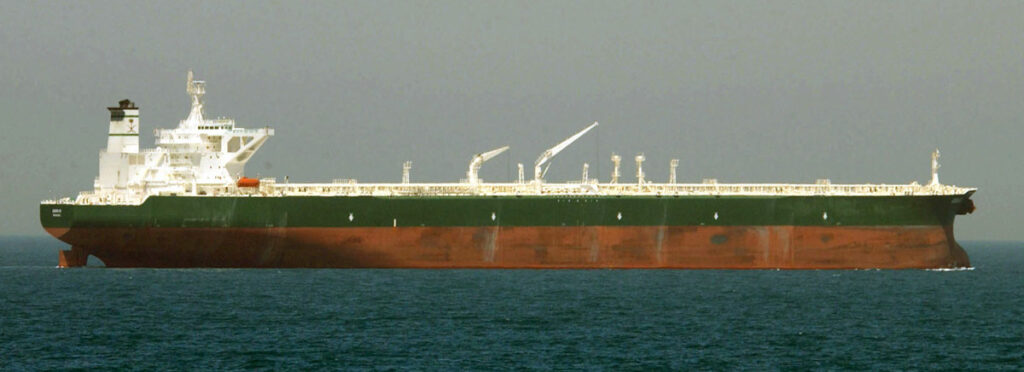
The narrow passage of water that separates the Arabian Peninsula from Iran has for centuries served as a pivotal maritime corridor, but its modern role as the single most important conduit for global oil shipments has elevated the Strait of Hormuz into a strategic prize watched by energy markets and military planners alike. Historical records, including the first-century *Periplus of the Erythraean Sea*, document the waterway as a key route for trade, particularly in pearls and other goods linking the Persian Gulf to the wider world.
Today, that ancient passage remains the only sea route for several Gulf nations, including Qatar, Kuwait, and Iraq, making its control a persistent flashpoint in international relations.
A Critical Maritime Chokepoint
Geographically, the strait is defined by its narrow dimensions. At its narrowest point, the waterway is just 21 miles wide. Within that space, two 2-mile-wide shipping lanes — one for inbound traffic and one for outbound — are separated by a 2-mile buffer zone designed to prevent collisions.
The strait itself stretches 90 miles in length, and the shipping channels maintain a depth of 30 meters, sufficient to accommodate supertankers. On the northern coast, Iran exerts control.
The country has deployed anti-ship missiles, naval mines, and fast-attack boats that can threaten vessels in the southern lanes. The southern coast is held by the United Arab Emirates and Oman. The volume of traffic moving through this chokepoint underscores its global importance. According to the U.S. Energy Information Administration, an average of 17.5 million barrels per day of crude oil, condensate, and refined products passed through the strait in 2023.
That flow represents roughly 20 percent of all global petroleum transit. Beyond oil, the waterway also serves as a critical artery for natural gas.
In 2023, approximately 78 million tonnes of liquefied natural gas from Qatar transited the strait. Any prolonged blockage would force countries to rely on longer, costlier alternative routes, straining energy markets and supply chains.
Energy Transit Under Guard
The U.S. Fifth Fleet, headquartered in Bahrain, has maintained a naval presence in the region since 1995. American forces patrol these waters to ensure freedom of navigation, providing a counterbalance to Iranian military assets positioned on the northern coast. The 2-mile buffer zone between the shipping lanes is a safety measure, but the proximity of Iran’s fast-attack boats and anti-ship missiles creates a tense standoff.
The strait’s geography means that vessels in the southern lanes can be threatened from the northern shore, while the U.S. fleet’s presence is intended to deter any attempts to disrupt the flow of commerce. Threats to close or disrupt the Strait of Hormuz have emerged periodically, especially during regional conflicts, though such closures had not occurred for extended periods before recent years.
The waterway’s status as the sole maritime gateway linking the Persian Gulf to the open ocean means that any interruption would immediately affect energy markets. Iran’s control of the northern coast gives it a geographic advantage, but the combined naval assets of the United States and its regional partners work to keep the shipping lanes open.
The Geopolitical Flashpoint
The stakes are defined by the sheer volume of energy that moves through the strait each day. With 17.5 million barrels of petroleum and 78 million tonnes of LNG transiting annually, the waterway remains a flashpoint where energy security meets military power.
The Strait of Hormuz is bordered by Iran to the north and Oman and the United Arab Emirates to the south, and its strategic importance dates back centuries. For the Gulf nations that depend on this route for their exports, any disruption would have immediate consequences for global oil and gas prices. The U.S. Fifth Fleet’s continuous presence since 1995 reflects the enduring commitment to keeping this chokepoint open, even as the region’s geopolitical tensions persist.




