
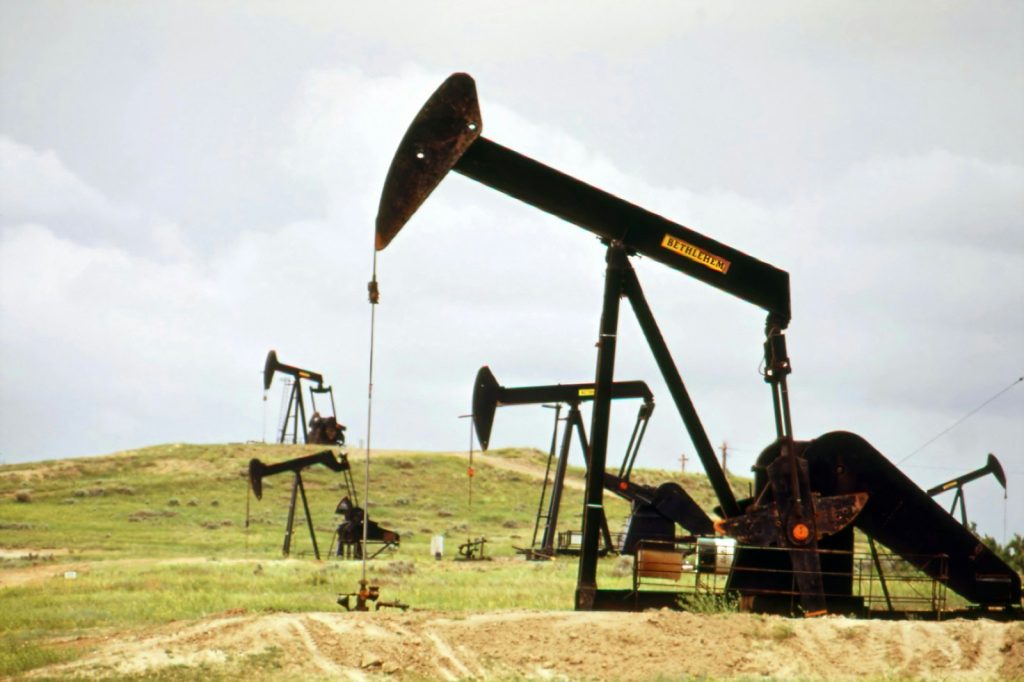
A production disruption in a relatively minor Russian oil field has again underscored the fragile equilibrium that governs global energy markets, reminding traders and policymakers alike how quickly a localized event can trigger broader economic ripples. On March 19, 2025, global oil prices rose 2% after a strike affected operations in Stavropol Krai, a region that accounts for roughly 1.5% of Russia’s total oil output.
Brent crude climbed to $85 per barrel that day, up from $83 the previous session, a move that rippled through trading floors and reignited concerns about supply reliability in a market already shaped by Western sanctions and geopolitical friction.
Small Disruption, Outsized Consequence
The Stavropol Krai strike, while confined to a single producing area, injected a fresh layer of uncertainty into an environment where the balance between supply constraints and demand recovery remains precarious. Russia’s oil and gas sector contributes 30% of the federal budget, making every barrel sold a matter of fiscal survival for the Kremlin.
Even a modest production hit in Stavropol Krai therefore carries implications far beyond its share of national output. The immediate knock-on effect was visible in maritime commerce: shipping insurance rates for Black Sea routes increased by 5% in the week ending March 19, 2025, a reminder of how quickly geopolitical friction translates into higher costs for traders and insurers. Oil has shaped modern economies since the mid‑nineteenth century, when petroleum began replacing whale oil as the primary fuel for lighting and industrial use.
The rise of the internal combustion engine and later the automobile cemented its role as a critical global commodity. Prices are not dictated by any single nation’s output but by worldwide supply and demand, with producer groups and geopolitical events repeatedly shifting the balance.
Today, benchmark crude grades such as Brent and West Texas Intermediate serve as reference points for buyers and sellers, and current volatility reflects longstanding sensitivities to disruption–whether from production shocks or policy shifts. For major exporters, oil revenues underpin national budgets; for importers, price swings impose immediate economic pressure.
Price Cap: A Measured Strategy With Tangible Results
Against this backdrop, the G7 price cap on Russian oil–set at $70 per barrel in December 2022–has been a key instrument in the Western strategy to limit Moscow’s revenues. According to the U.S. Treasury, the cap has reduced Russian earnings by an estimated $50 billion through 2024.
That reduction is a significant achievement for the West, though it has not stopped the flow of Russian oil to global markets. The cap’s design allows Russian crude to continue trading, but at a discount that constrains the Kremlin’s ability to fund its budget and military operations. The Stavropol strike, by momentarily pushing Brent above $85, demonstrated that even with a cap in place, supply disruptions can still elevate prices and complicate enforcement.
Recent measures like international price caps have added new layers of complexity to energy markets, demonstrating how tightly linked oil remains to both economic strategy and global diplomacy. The $50 billion reduction in Russian revenues represents a direct fiscal squeeze on Moscow, yet the market’s reaction to the Stavropol incident shows that the cap does not insulate global prices from localized shocks.
The interplay between the cap and physical supply disruptions continues to shape traders’ expectations, especially in a market where every barrel is scrutinized for its origin and price.
Outlook: Precarious Stability and the Risk of Further Spikes
The International Monetary Fund projects that global oil prices will average $80 per barrel in 2025, with risks of spikes due to supply disruptions. The IMF’s projection of an $80 average for the year suggests that the market is pricing in a degree of stability that may prove illusory if further supply shocks emerge.
The Stavropol strike, though short-lived, served as a reminder that even a small disruption can have outsized consequences in a world where oil is a barometer of economic and political stability. For importers, the 2% jump and higher insurance costs for Black Sea routes are immediate burdens; for exporters, the price cap continues to erode revenues while physical risks–whether from strikes, accidents, or geopolitical tensions–keep markets on edge. Oil has long been a critical global commodity, and the current volatility reflects its enduring role.
The formation of producer groups and the influence of geopolitical events have repeatedly shifted the balance, and recent measures like international price caps have added new layers of complexity. With supply constraints and demand recovery still in an uneasy balance, the Stavropol incident is a vivid illustration that in the world of oil, even a modest disruption can trigger measurable economic effects–from trading floors in London to shipping lanes in the Black Sea.
The wider picture suggests that the equilibrium, though holding for now, remains fragile.
{“@context”: “https://schema.org”, “@type”: “NewsArticle”, “headline”: “Small Disruption in Russian Oil Field Sends Global Prices Soaring”, “description”: “LONDON, July 13 — A production disruption in a relatively minor Russian oil field has again underscored the fragile equilibrium that governs global energy markets,…”, “datePublished”: “2026-07-13T09:30:00+00:00”, “author”: {“@type”: “Person”, “name”: “Ava Anderson”}, “publisher”: {“@type”: “Organization”, “name”: “InfoPulse Today”, “url”: “https://newsfeed.infopulsetoday.com/”}}




