
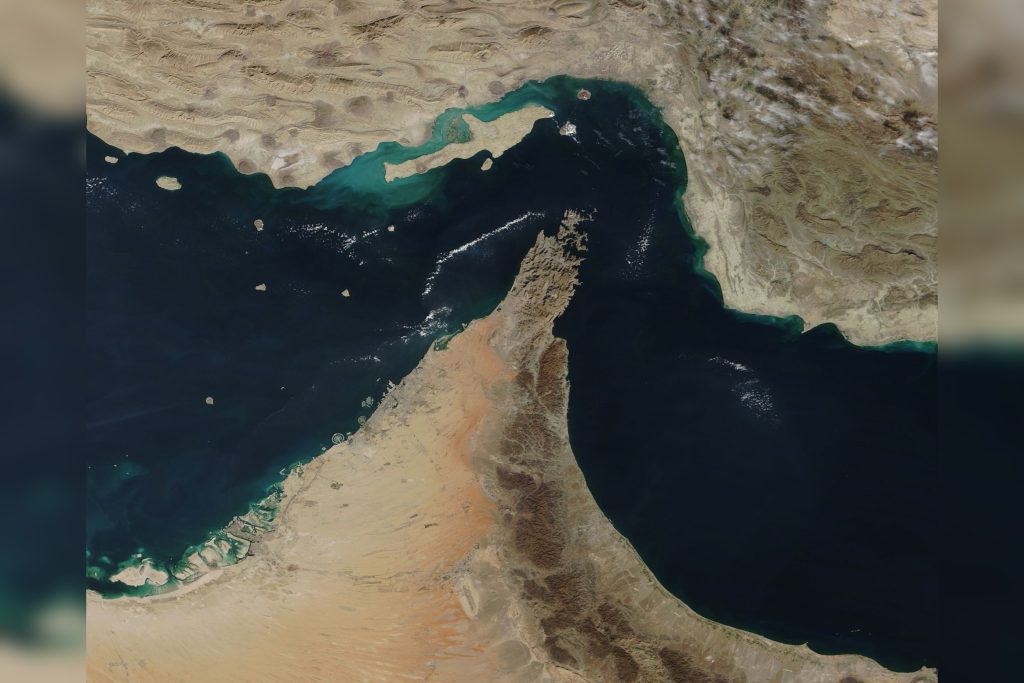
Oil climbed to $119 a barrel on Monday, its highest since 2022, before slipping back before the market closed. The cause was the US-Israeli war on Iran, which Reuters reported had effectively shut the Strait of Hormuz.
The strait is the narrow shipping lane between Iran and Oman. Around a fifth of the world’s daily oil and liquefied natural gas supply passes through it. UNCTAD put the oil share differently, at around a quarter of global seaborne oil trade, and noted significant volumes of LNG and fertilizers as well. After 10 days with no shipping, Saudi Arabia, Iraq and Kuwait had all cut production because their storage was brimming.
Reuters called the halt “the nightmare scenario for the global energy system” and one of the most serious energy supply disruptions ever. Spare capacity elsewhere cannot fill the gap, so refineries worldwide must draw down inventories until ships move again. The International Energy Agency planned to recommend releasing 400 million barrels of oil, the largest such release in its history.
Pipelines and refineries
Only the Strait of Malacca, between Malaysia and Indonesia, sees more tanker traffic. Alternatives are few. Saudi Arabia pumps crude through its East-West Pipeline to the Red Sea port of Yanbu. The kingdom usually exports around 6 million barrels per day through Hormuz. The pipeline can carry up to 5 million, yet Yanbu has rarely loaded more than 2.5 million. The United Arab Emirates has the Habshan-Fujairah Pipeline, with a capacity of 1.5 million barrels per day.
Fuel supplies are hit as well. Gulf refineries cannot ship what they make, including Kuwait’s 615,000-bpd Al Zour plant, a key supplier of jet fuel to Europe and Africa. Bahrain’s Bapco Energies Sitra refinery, a 380,000-bpd plant, was struck on Monday and declared force majeure. Saudi Aramco shut its largest refinery, at Ras Tanura, after a drone strike the week before.
Prices and Asia
Crude, gasoline, diesel, jet fuel, natural gas, petrochemicals, power and fertilizer prices have all risen sharply since the conflict began. UNCTAD noted that Brent had risen above $90 per barrel and warned that higher energy, fertilizer and freight costs could push up food prices, hitting the most vulnerable hardest. Many developing economies already struggle to service their debt.
Asia is the most exposed region. China asked refiners to halt fuel exports, South Korea announced price caps on fuel for the first time in 30 years, and Bangladesh shut universities to conserve power and fuel.
Recovery will be slow even if fighting ends quickly. Damaged refineries need repairs, Qatar’s LNG plant may take several weeks to ramp up from a total shutdown, and oilfields that cut output can lose pressure and, sometimes, produce less for good. Hundreds of ships were anchored on both sides of the waterway, and tankers around the strait have come under attack. Shipping costs are likely to stay high.
Sources
- How the Strait of Hormuz closure affects global oil supply
- Strait of Hormuz disruptions: Implications for global trade and development |




