
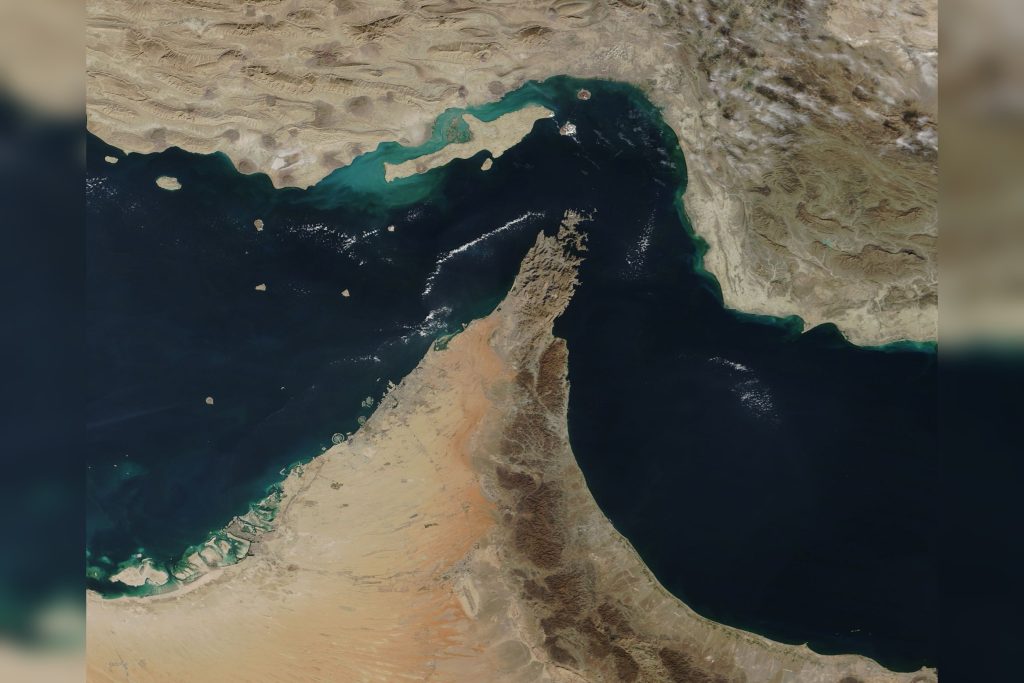
TEHRAN, July 12 — For communities across Asia that depend on the steady flow of energy from the Persian Gulf, the Strait of Hormuz has become a source of deep concern once again. This 33-kilometer-wide waterway, the narrow passage between Iran and Oman, has carried the lifeblood of modern economies for decades. Its potential closure in 2025 echoes past threats and raises urgent questions about what it means for families and businesses throughout the region.
The strait’s modern importance surged after the discovery of oil in the Persian Gulf in the early 20th century. Iran’s first major find came in 1908 at Masjed Soleiman, followed by Saudi Arabia’s Dammam discovery in 1938.
By 2023, according to the U.S. Energy Information Administration, the strait carried about 21 million barrels per day of oil and petroleum products. That volume makes it one of the most critical maritime chokepoints on earth.
A history of vulnerability
The strait’s depth and narrowness have long made it vulnerable to blockades or mining. During the Iran-Iraq War from 1980 to 1988, the Tanker War saw both sides attack oil tankers transiting the waterway. In response, the U.S. Navy in 1987-1988 escorted reflagged Kuwaiti tankers under Operation Earnest Will.
These historical episodes underscore how quickly the strait can become a flashpoint. Iran’s 2011 threat to close the strait if sanctions on its oil exports were tightened demonstrated that the risk never fully receded.
The 2025 closure, while echoing those earlier warnings, represents a more concrete disruption. For countries across Asia that import the bulk of their crude oil through this passage, the implications are immediate and serious.
What this means for the region
Closer to home, families across Southeast Asia, South Asia, and East Asia rely on affordable energy for transportation, electricity, and cooking. A sustained closure of the Strait of Hormuz would send energy prices climbing, affecting household budgets from Manila to Mumbai to Jakarta. For communities that have already weathered price shocks in recent years, this adds another layer of uncertainty.
The strait has been a strategic maritime chokepoint for centuries, part of the ancient spice and silk trade routes long before oil was discovered. Its historical role as a corridor for commerce makes its modern vulnerability all the more striking.
Today, the waterway remains a narrow passage where a single incident — a mine, a blockade, a military confrontation — could disrupt global energy markets.
Looking ahead
As of July 2026, the situation in the Strait of Hormuz remains fluid. The 2025 closure has already demonstrated how quickly the waterway can shift from open passage to contested zone. For the millions of people across Asia whose daily lives depend on the energy that flows through this narrow channel, the coming months will be critical.
Whether through diplomatic efforts, alternative supply routes, or increased reliance on regional energy sources, the path forward will shape economic stability for communities across the region.
Sources
{“@context”: “https://schema.org”, “@type”: “NewsArticle”, “headline”: “Strait of Hormuz: World’s Most Vital Oil Chokepoint Explained”, “description”: “TEHRAN, July 12 — For communities across Asia that depend on the steady flow of energy from the Persian Gulf, the Strait of Hormuz has…”, “datePublished”: “2026-07-12T09:30:00+00:00”, “author”: {“@type”: “Person”, “name”: “Merry Gel Sigui”}, “publisher”: {“@type”: “Organization”, “name”: “InfoPulse Today”, “url”: “https://newsfeed.infopulsetoday.com/”}, “citation”: [{“@type”: “CreativeWork”, “url”: “https://en.wikipedia.org/wiki/Strait_of_Hormuz”}]}




