
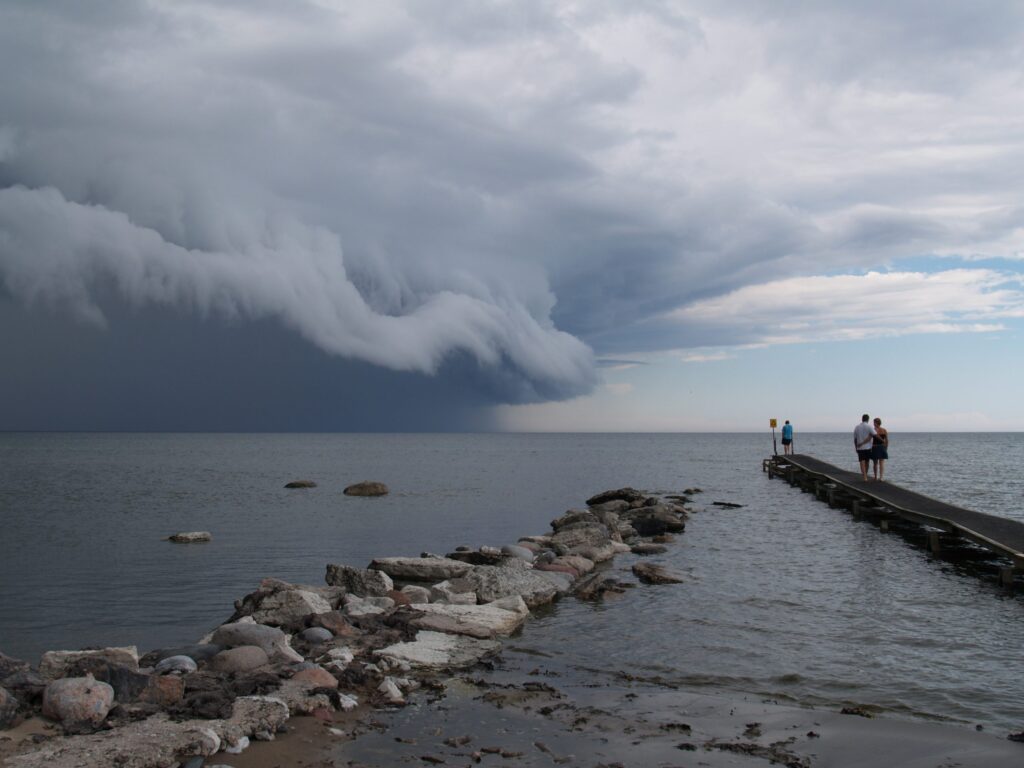
On July 30, 2023, a series of intense weather disturbances moved across several districts of central Russia, bringing a combination of powerful gusts, heavy rain and accompanying thunder. The violent conditions left ten people dead and caused injuries to 76 others, prompting immediate emergency response and ongoing relief operations throughout the affected areas. Authorities describe the phenomenon as a classic storm—an atmospheric disruption marked by strong winds, precipitation, and lightning.
The event displayed many of these typical traits, underscoring how quickly such natural occurrences can turn hazardous for both residents and infrastructure. In the storm’s wake, local services are confronting widespread damage.
Flooding from the downpours has inundated roads, hampering transport and limiting access to essential facilities. Buildings, ranging from private homes to public structures, show signs of wind‑related destruction, while power outages have added to the difficulty of delivering aid. Officials note that the combination of rain and wind also raises concerns about longer‑term environmental impacts, such as soil erosion, water contamination and potential losses in local biodiversity.
Rescue teams, together with medical personnel, are currently focused on treating the injured and locating any missing individuals. Temporary shelters have been set up for those displaced by the storm, and distribution points for food, water and emergency supplies are operating in several towns.
The coordinated effort aims to stabilise the situation while authorities assess the full extent of the damage. The recent calamity has reignited discussion about preparedness and resilience in the region. Experts point to the importance of robust early‑warning systems, clearly defined evacuation routes and readily available emergency shelters as key components in reducing casualties during future severe weather events.
Local governments are expected to review existing protocols and consider upgrades to ensure a faster, more effective response should similar conditions arise again. In addition to immediate recovery measures, the disaster has sparked conversation about the role of renewable energy in enhancing regional stability.
By investing in wind and solar power, communities could lessen dependence on fossil fuels, mitigate price volatility and improve overall energy security—factors that become increasingly vital when extreme weather threatens conventional power supplies. Environmental advocates stress that the storm highlights the broader need for sustainable development and ecosystem protection. Healthy natural habitats can act as buffers against extreme weather, while preserving water quality and soil integrity supports long‑term community resilience. As reconstruction proceeds, integrating green infrastructure and conservation practices may help mitigate the impact of future storms.
While the immediate priority remains caring for those injured and rebuilding damaged facilities, officials and citizens alike are reminded that preparedness, investment in clean energy, and environmental stewardship are essential steps toward a safer, more resilient future for central Russia.




