
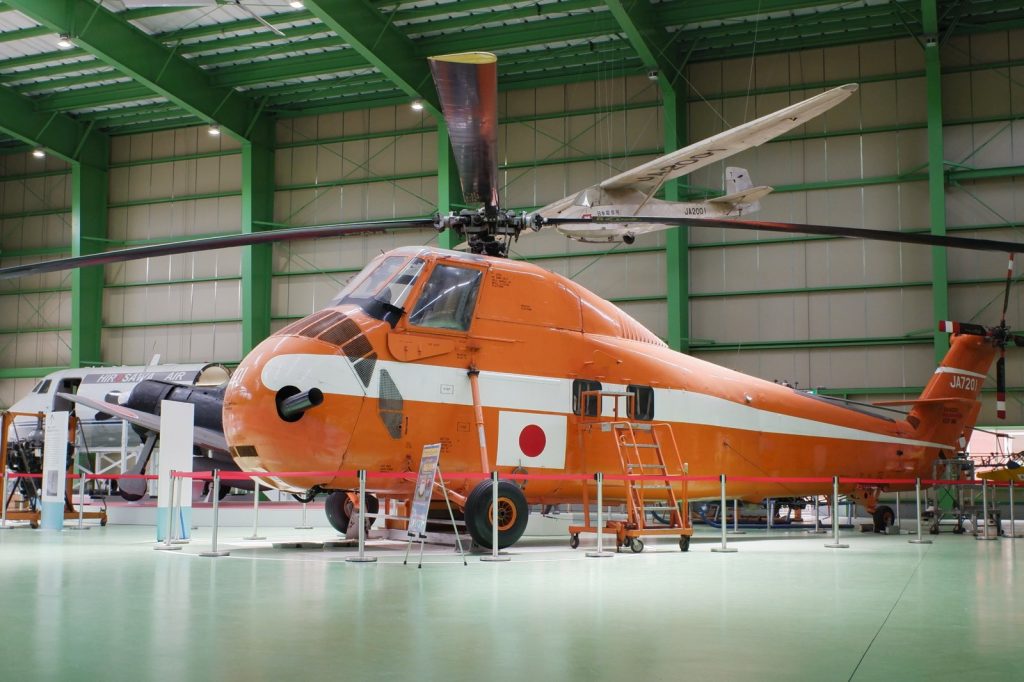
Six people were aboard a medical‑transport helicopter when it disappeared over the Tsushima Strait on Sunday, near Nagasaki Prefecture. The aircraft later plunged into the water, killing three occupants and wounding the remaining three, who were taken to hospitals for treatment. Identities of the deceased have not been released. Rescue teams from the Japanese Coast Guard and local emergency services spent the day retrieving the bodies and searching for wreckage.
Divers and patrol vessels continued to sweep the strait for additional debris, while the Transport Safety Board dispatched investigators to the scene. The Board has not announced a timetable for its final report.
Authorities have outlined three primary lines of inquiry: possible mechanical failure, pilot error, and the influence of environmental conditions. The Tsushima Strait is known for strong currents and rapidly changing weather, factors that will be examined alongside the helicopter’s maintenance records—though no details of those records have been made public. The flight was part of a routine air‑ambulance mission operated by a medical transport service, tasked with moving patients across Japan’s island chain where ground ambulances cannot reach quickly.
The aircraft lost contact before it descended into the sea, and the exact circumstances of the crash have not yet been explained. Local officials expressed sympathy to the families of the victims and pledged a thorough investigation.
They noted that findings could have broader implications for emergency‑medical aviation across the country. If a mechanical defect is confirmed, fleet‑wide inspections may follow. Should pilot error be identified, training procedures could be revised.
An attribution to adverse weather or sea conditions might lead to stricter flight‑clearance rules for similar missions. Survivors of the crash now face a period of physical and psychological recovery.
Their testimonies, if provided, could become essential evidence for investigators seeking to reconstruct the event. The wreckage is expected to be scattered across the seabed, complicating recovery efforts. Strong currents in the strait can shift debris fields, and some components may never be recovered, potentially limiting the amount of physical evidence available.
This incident underscores the inherent risks of air‑ambulance operations, which, while vital for rapid medical response in Japan’s geography, also expose crews to hazardous conditions. The loss of three crew members highlights the high stakes involved in providing urgent care by air.
As the investigation proceeds, the medical‑transport community and regulatory bodies will be watching closely, mindful that the outcome could shape safety standards and operational practices for future emergency flights.




