
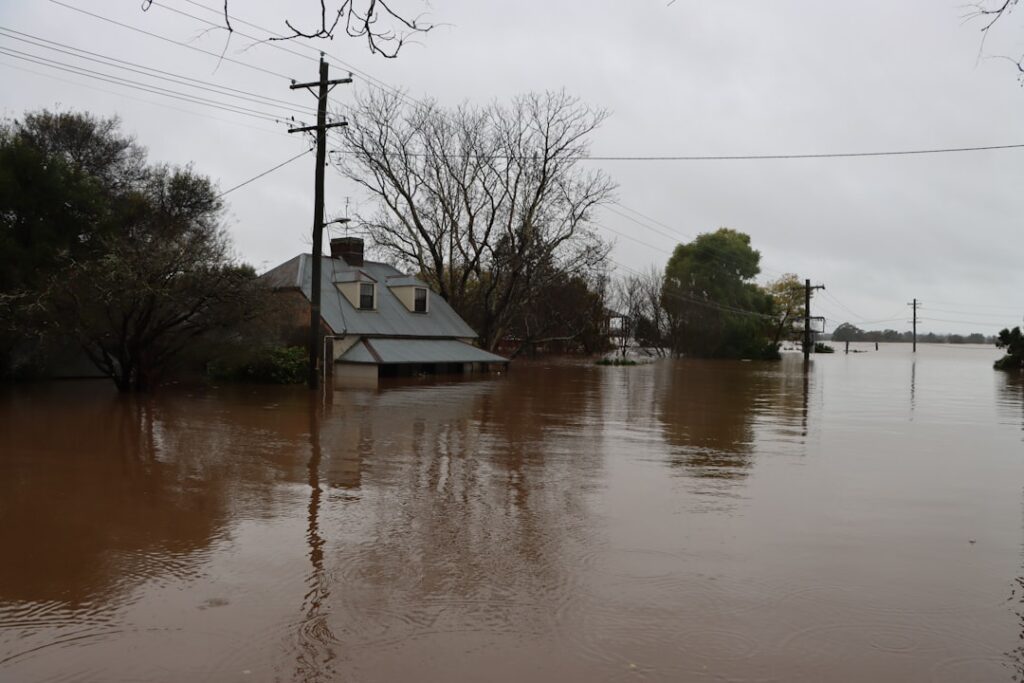
A tally of 500 closed roads now plagues Kentucky, as floodwaters have ravaged the state, rendering these routes impassable or nonexistent. This stark figure, which encompasses everything from rural lanes to state highways, has been announced by Governor Andy Beshear, highlighting the tangible consequences: families struggling to reach grocery stores, trucks taking lengthy detours, and individuals in remote areas requiring critical medical care unable to reach clinics. The immediate impact is evident, with daily life’s geography significantly altered. Kentucky’s rolling hills and river systems, often noted for their propensity towards flooding, have become barriers rather than scenic vistas.
The same topography that shapes the state’s character also funnels water into inhabited valleys, exacerbating the disaster. With his second term secured in the November 7, 2023, elections, Governor Beshear now faces a unique challenge.
Armed with the authority to mobilize resources, coordinate the National Guard, and pursue federal disaster declarations, he must navigate the complexities of a landscape turned against him. The resilience of the infrastructure is tested as every washed-out culvert, undermined bridge, and stretch of asphalt buried in mud hinders emergency services’ ability to reach those in need. The history of flooding in Kentucky is not a distant memory but a constant presence, etched in the silt of the Ohio and Kentucky Rivers, in the floodplains that have been built upon, and in the levees that have held or failed.
This latest event continues this grim narrative. The closure of 500 roads serves as a stark demonstration, as the report puts it, of the consequences when water encounters infrastructure ill-prepared for such an onslaught.
The governor now bears the responsibility of overseeing the response to this crisis. At stake is not just property but the connective tissue of the state. Roads are the arteries through which Kentucky moves its agricultural goods, manufactured products, and people.
They are the pathways that children take to school and the routes that the sick follow to hospitals. When 500 of these arteries are blocked, the state faces a kind of paralysis.
The economic costs will be quantified later in lost wages, ruined crops, and delayed shipments. The human cost, however, is already evident in the two reported fatalities. The governor’s mandate is to take decisive action, as the report underscores.
But the mandate is pushed to its limits in times like these. Kentucky’s geography makes it susceptible.
Its river systems, its hills, its valleys—these are unchanging. What is not unchanging is the readiness of the response, the resilience of the infrastructure, and the speed at which roads can be reopened. The flooding has brought into sharp relief the need for effective disaster management.
The two deaths serve as a grim reminder, while the 500 closed roads illustrate the daily struggle faced by thousands of people unable to reach their destinations. The ability of a state to function, to move, to help its own people is now being tested.
Governor Beshear must prove that this ability is real.
Related Stories
Bolivia Floods Result in 50 Deaths and Displacement of 100,000
Spanish Regions of Valencia and Andalusia Suffer Hundreds of Deaths in Floods
Niger Floods Claim 21 Lives, Submerge Grain Stores #KentuckyFloodsClose #Roads #Kill #Climate #News




