
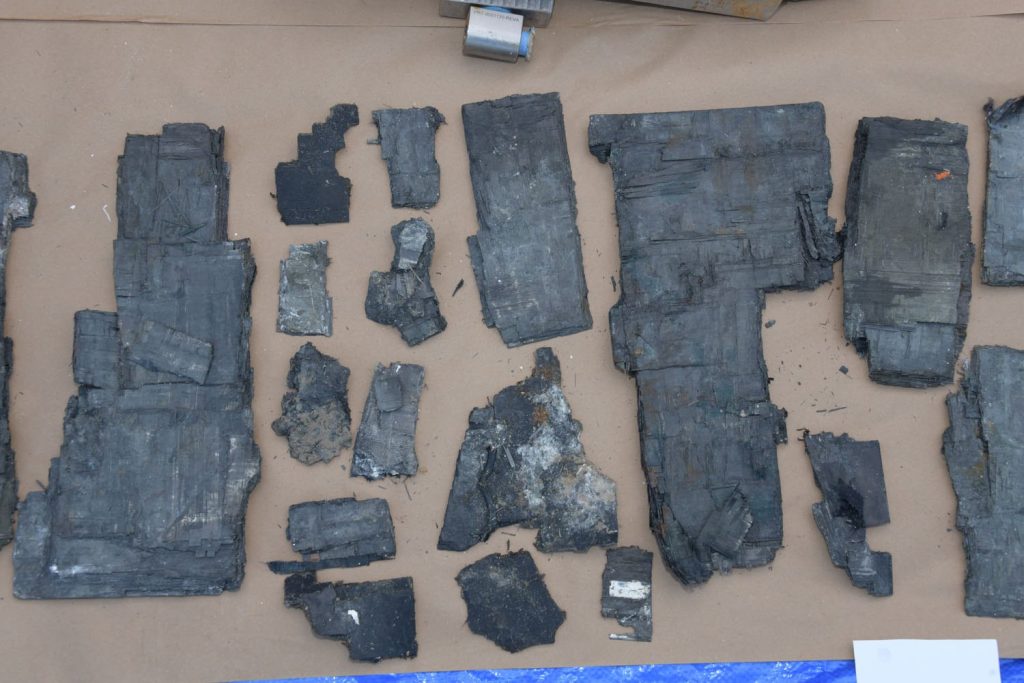
The Titan’s carbon‑fiber pressure vessel was replaced in 2021, a detail that now lies at the heart of the investigation into the tragic implosion. The original hull, which had undergone test dives to 4,000 metres in 2018 and 2019, showed signs of fatigue damage.
OceanGate responded by installing a new composite hull before beginning commercial operations that took paying passengers to the wreck of the RMS Titanic. Following the hull replacement, the submersible completed a series of dives in 2021 and 2022 without incident. Those successful missions gave the impression that the vessel could repeatedly withstand the extreme pressure at depth – roughly 400 atmospheres at 4 kilometres beneath the sea surface. However, the fundamental engineering question of whether a carbon‑fiber composite hull can endure the repeated compression and expansion cycles of deep‑ocean operation was never conclusively answered.
The design of the Titan rested on a gamble: that a privately owned craft built from titanium and carbon‑fiber could safely make routine descents to 4 km. At that depth, each dive compresses the hull, and every ascent allows it to expand.
Composite materials are known to suffer from delamination and microscopic cracking under such cyclic loading, and they can fail without warning. OceanGate originally called the vessel Cyclops 2 before renaming it Titan; the name change did not alter the physics of the hull. Titan was the first privately owned submersible to reach the 4‑km depth and the first crewed vehicle to use a carbon‑fiber composite hull for that purpose.
The combination of “first” and “composite” should have prompted heightened scrutiny from safety regulators, yet the sub operated outside traditional maritime safety frameworks. Unlike commercial aviation, deep‑sea tourism lacks a dedicated regulatory body; only classification societies exist, and OceanGate elected not to have the Titan classified.
After the implosion, debris was recovered and is now on land awaiting detailed examination. Engineers will focus on the fracture surface, looking for delamination zones and the exact point where the composite gave way. An implosion at depth would have been instantaneous, offering no warning to the occupants.
Water would not simply flood the cabin; the failure would generate a shockwave that collapses the pressure vessel in a split second. The incident raises questions about the future of underwater tourism.
Although the Titan had completed multiple successful trips to the Titanic wreck, each voyage relied on a single hull that had already exhibited fatigue once. The replacement hull, while newer, employed the same design, materials, and untested fatigue life. This mirrors the early stage of private spaceflight, where innovative technology outpaced regulatory oversight, and a niche market of wealthy customers funded high‑risk ventures.
Legal actions are expected, and reports will detail the findings from the hull fragments. Yet the core tension remains: the deep ocean at 4,000 metres is unforgiving, and carbon‑fiber composites do not behave like metals that yield under stress—they fracture.
The Titan demonstrated that a private company could reach the Titanic, but it also showed that reaching the site does not guarantee a safe return on every descent.




