
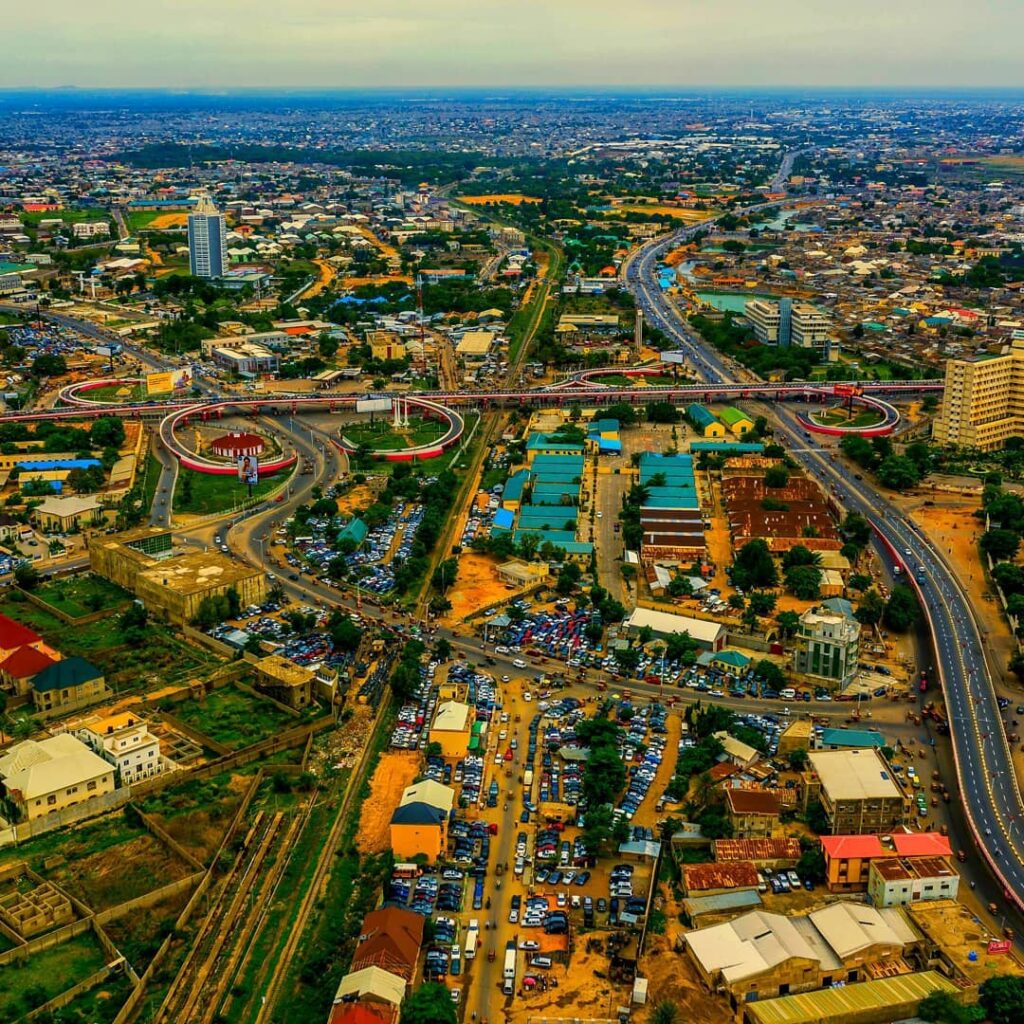
A serious collision on the Zaria‑Kano expressway in northern Nigeria left 21 people dead and three injured on Sunday, July 6, 2025. The accident involved a large truck that struck a commercial passenger vehicle travelling along the main route that links Kano State with neighboring Kaduna State. Emergency responders arrived quickly at the scene on the busy highway that serves as a vital conduit for both goods and passengers between the two states.
The three survivors were transported to local hospitals for treatment, officials said. Authorities have opened an investigation into the cause of the crash, which occurred on a heavily trafficked stretch of road used by commercial trucks, buses and private cars.
While the precise factors that led to the collision are still being examined, the incident underscores ongoing concerns about road safety on Nigeria’s highways. Kano State, created in 1967 from the former Northern Region, is one of the country’s 36 states and sits in the north‑central part of the nation. It borders Katsina to the northwest, Jigawa to the northeast, Bauchi to the southeast and Kaduna to the southwest.
According to the 2006 census, Kano was the most populous state in Nigeria, a distinction now shared only with Lagos. The state capital, Kano city, functions as a major commercial hub.
The Zaria‑Kano expressway, extending roughly 255 kilometres, is a key artery for the movement of agricultural products and manufactured goods between northern and central Nigeria. Heavy vehicle traffic on this corridor is common, and accidents involving trucks and passenger buses have frequently resulted in high casualty figures. Road safety officials point to several recurring issues that contribute to such tragedies: speeding, deteriorating road surfaces, and limited emergency response capacity. The Federal Road Safety Corps has repeatedly urged improvements in driver training, stricter vehicle inspections and better maintenance of highways to curb fatal crashes.
For Kano State, the loss of 21 lives adds to a pattern of transport‑related challenges. The region’s dense population and vibrant economy keep its roads busy, and any major incident can disrupt travel, trade and daily life for residents.
Local leaders and community members are now mourning the victims while calling for stronger enforcement of traffic regulations and accelerated investment in road infrastructure. The investigation’s findings are expected to inform future safety measures on the expressway and similar routes across the country. As the population of northern Nigeria continues to grow, ensuring that major highways like the Zaria‑Kano expressway remain safe for all users will remain a pressing priority for both state and federal authorities.




