
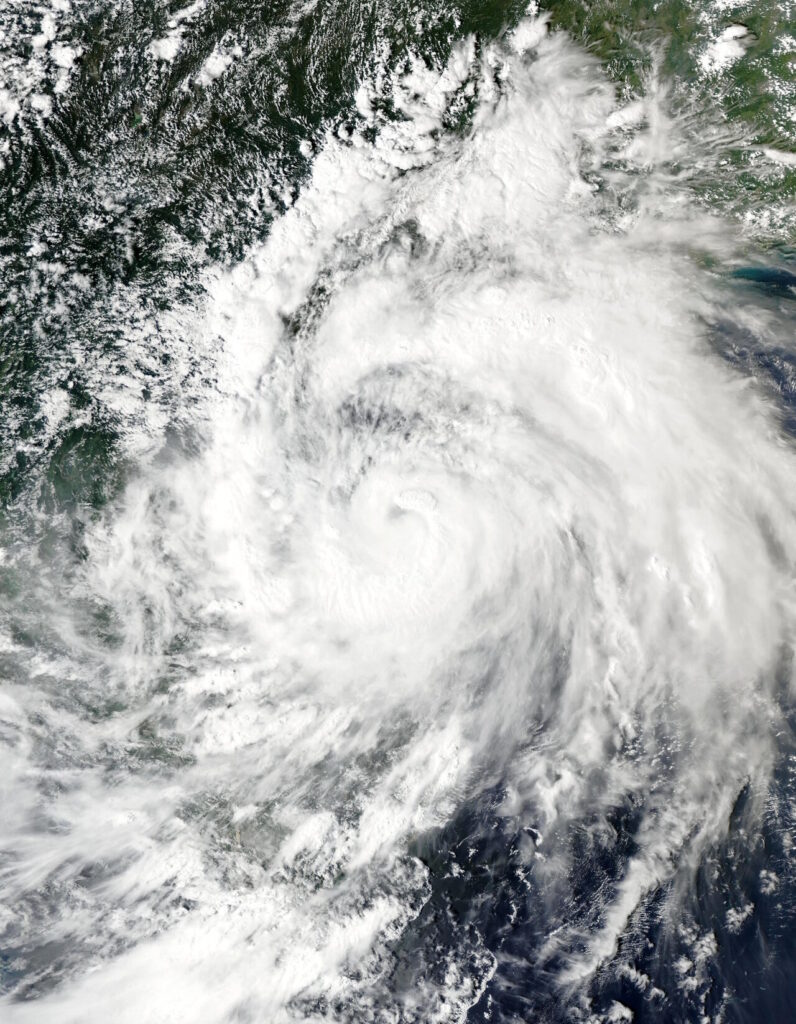
Typhoon Bualoi struck the Philippines yesterday, making landfall in both the Visayas and the southern part of Luzon. The system’s fierce winds and intense rain have already caused the deaths of ten people and have left extensive damage to homes, infrastructure and agricultural fields.
Hundreds of residents have been forced to evacuate, while rescue teams continue to move into the hardest‑hit locations to deliver emergency assistance. Beyond the immediate humanitarian crisis, officials and experts are warning that the storm’s consequences could linger for months. The Philippines, a nation already prone to natural disasters, now faces additional strain on its rich biodiversity.
Damage to coastal ecosystems—including mangrove stands and coral reefs along the Visayas’ shoreline—has been reported, threatening the natural barriers that protect communities from future surges and the marine life that depends on them. Conservation groups stress that restoring these habitats will be essential in the weeks ahead.
The loss of mangroves and reefs not only reduces storm resilience but also undermines fisheries and tourism, two key pillars of the local economy. Prompt replanting and reef rehabilitation efforts are being called for to safeguard both the environment and the livelihoods tied to it. The economic fallout from Bualoi is already evident. Trade routes have been disrupted, markets shuttered, and the cost of rebuilding damaged structures is expected to be substantial.
In response, some policymakers are highlighting the potential benefits of accelerating the Philippines’ shift toward renewable energy. Expanding solar and wind power capacity could lessen dependence on imported fossil fuels, lower energy expenses and provide a more reliable power supply—factors that would aid recovery and bolster long‑term growth.
International aid is being mobilized to support the affected regions. Aid agencies and neighboring countries have pledged assistance, emphasizing that a coordinated response is crucial for both immediate relief and the longer‑term task of rebuilding resilient communities. Looking ahead, experts argue that the lessons from Bualoi should inform future disaster‑risk strategies.
Prioritizing environmental protection, investing in clean energy and strengthening disaster‑preparedness are seen as interlinked steps that can reduce vulnerability to subsequent storms. The hope is that a more sustainable approach will not only protect the Philippines but also contribute to global climate resilience.
As recovery operations continue, the nation confronts a challenging path toward reconstruction. The combined focus on humanitarian aid, ecological restoration and sustainable development aims to turn the tragedy of Typhoon Bualoi into an opportunity for a stronger, more resilient Philippines—and a reminder of the broader responsibility to safeguard the planet for future generations.




