
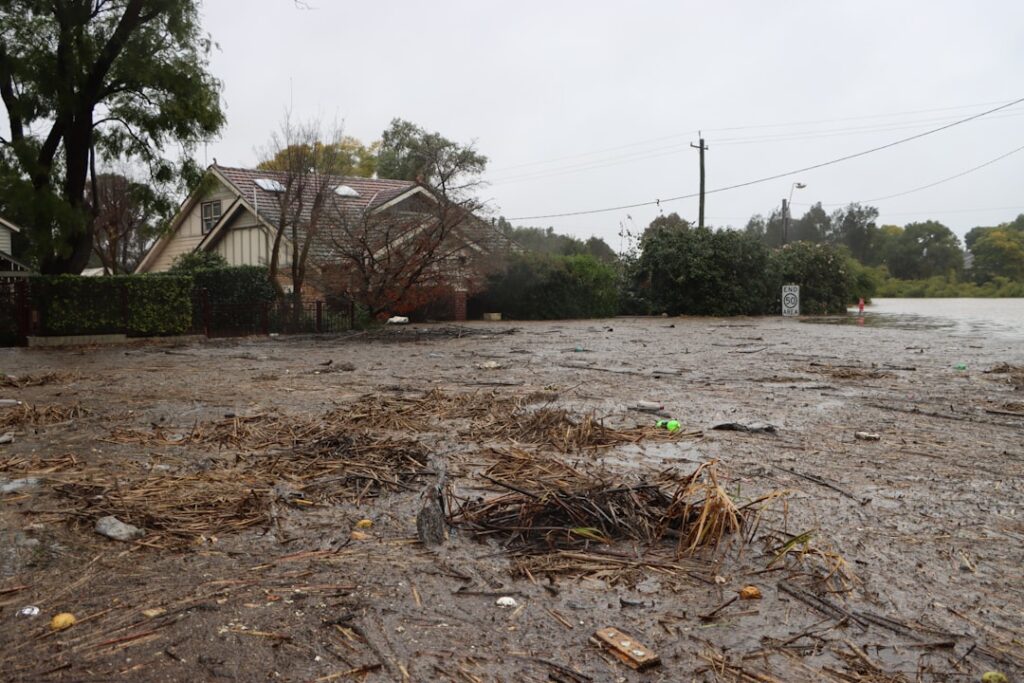
The northwestern Pacific Ocean produces approximately 25 named storms annually, making it the most active typhoon basin on Earth. Taiwan, positioned directly in this path, experienced the consequences on July 24, 2024, when Typhoon Gaemi made landfall.
The storm claimed two lives and injured 266 people in northern Taiwan before moving inland toward China’s Fujian province. Taiwan, also known historically as Formosa, occupies a vulnerable geographic position between the East China Sea and the South China Sea. China lies to the northwest, Japan to the northeast, and the Philippines to the south.
Storms forming in warm open waters frequently travel directly toward the island with no natural barriers to divert them. The island’s terrain amplifies the danger.
Mountain ranges cover the eastern two-thirds of the main island, creating steep slopes where heavy rainfall triggers rapid runoff and mudslides. The western third consists of plains where the majority of the population resides in dense urban areas. These flat regions flood when drainage systems become overwhelmed during intense storms.
Typhoon Gaemi brought strong winds and heavy rainfall, with the terrain compounding the effects. Taiwan’s government deployed emergency services and aid teams in response.
China worked to evacuate residents in affected areas and provide emergency assistance. Offers of support arrived from numerous countries around the world. This pattern of response is standard procedure but remains reactive, with the storm determining the timeline.
Taiwan has experienced dozens of typhoons throughout recorded history, and the fundamental geographic vulnerabilities have remained unchanged. What has changed is the increasing density of development and pressure on infrastructure in the western plains, where more roads, buildings, and power lines now sit in the path of approaching storms.
Historical comparisons provide context for Gaemi’s impact. Typhoon Morakot in 2009 killed hundreds, while Typhoon Herb in 1996 killed dozens. The difference between these outcomes and Gaemi’s two fatalities often comes down to warning systems and evacuation timing rather than geography, which remains constant. As Gaemi weakened over Fujian province, inland flooding remained a concern.
The Chinese government continued evacuation efforts and emergency assistance. The storm followed the familiar sequence: landfall, population movement, damage assessment, and recovery.
International offers of assistance arrived as protocol dictates, reflecting recognition that no island nation in the typhoon belt can manage a major storm alone. Both Taiwan and China accepted help. While Typhoon Gaemi will fade from headlines, the dead will be buried, and the injured will heal, another storm is already forming in the warm Pacific waters.
Taiwan and China will face it again, with the mountains still present, the plains still crowded, and the wind and rain still approaching.




