
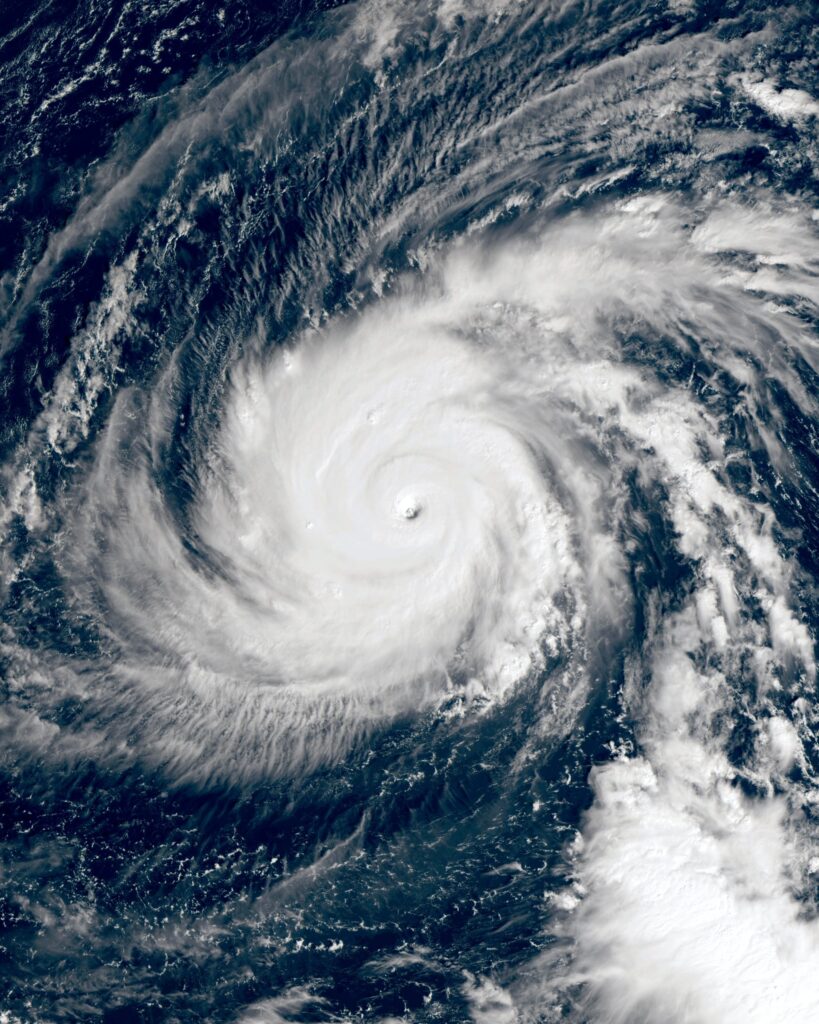
Typhoon Mawar Approaches Guam and the Northern Mariana Islands
Authorities across Guam and the Northern Mariana Islands have issued urgent warnings as Typhoon Mawar moves closer, urging residents to find shelter immediately. The storm’s sustained winds have been measured at 282 kilometers per hour, which equals about 175 miles per hour, creating a dangerous situation for the islands.
Guam, an organized, unincorporated territory of the United States, sits in the Micronesia subregion of the western Pacific Ocean. It is the largest and southernmost island of the Mariana chain, covering roughly 210 square miles (540 square kilometers or 130,000 acres). According to the 2022 census, Guam is home to 168,801 people, a figure that gives the territory a relatively high population density and raises concerns about its vulnerability to extreme weather.
The island’s capital, Hagåtña, and its most populated village, Dededo, are expected to feel the strongest effects of the typhoon. The Chamorro people, who constitute the largest ethnic group on Guam, are among those preparing for the storm’s impact.
Known for a deep cultural heritage and strong community ties, residents are being advised to stockpile food, drinking water and other essential supplies, and to remain indoors unless travel is absolutely necessary. To the north, the Northern Mariana Islands — comprising Saipan, Tinian and Rota — also lie in the storm’s projected path. Together these islands have a population of approximately 53,000.
Their economies rely heavily on tourism and fishing, sectors that could suffer significant disruption from the typhoon’s high winds and heavy rainfall. The natural environment of the Northern Marianas is likewise at risk.
Coral reefs and sea‑grass beds, which form part of the islands’ fragile ecosystem, face potential damage from the storm’s force. In response, emergency officials are working to evacuate residents from low‑lying zones and to safeguard critical infrastructure such as power plants and water‑treatment facilities. Beyond immediate safety measures, the approaching typhoon highlights broader challenges for the region. Leaders stress the importance of protecting the environment and preserving the natural beauty that defines Guam and the Northern Mariana Islands.
Investing in renewable energy sources — particularly solar and wind power — is presented as a way to lessen dependence on fossil fuels, improve energy security and reduce exposure to price fluctuations in global markets. Shifting toward cleaner energy could also support economic development while helping to safeguard the islands’ delicate habitats.
By combining renewable investments with sustainable development practices and active ecosystem protection, communities aim to build aImproper future extreme weather events like Typhoon Mawar. Recovery from the storm is expected to stretch over weeks and months. As rebuilding begins, officials are urged to prioritize environmental stewardship and the preservation of natural resources.
Through these efforts, Guam and the Northern Mariana Islands can work toward a future that is more resilient to the impacts of severe weather while maintaining the unique character of their lands and waters.




