
CHANGNING — The ground shook here Sunday afternoon. For 11 people, at least, it was enough to report. The U.S. Geological Survey logged a magnitude 5.2 earthquake at 16:12 UTC, eight kilometres west-northwest of Changning.
Depth: 10 kilometres. That shallow depth matters.
Seismologists say quakes under 70 kilometres punch harder at the surface than deeper ones of the same size. Eleven reports came through the USGS’s “Did You Feel It?” system. That number will likely climb.
Crowd-sourced data takes time to filter in from a region where not everyone has a smartphone or a stable connection. This is not new ground for seismic activity.
The USGS records show at least 45 earthquakes of magnitude 5.0 or greater within 300 kilometres of this spot over the past 20 years. The biggest: a magnitude 6.6 in 2022. That one caused real damage.
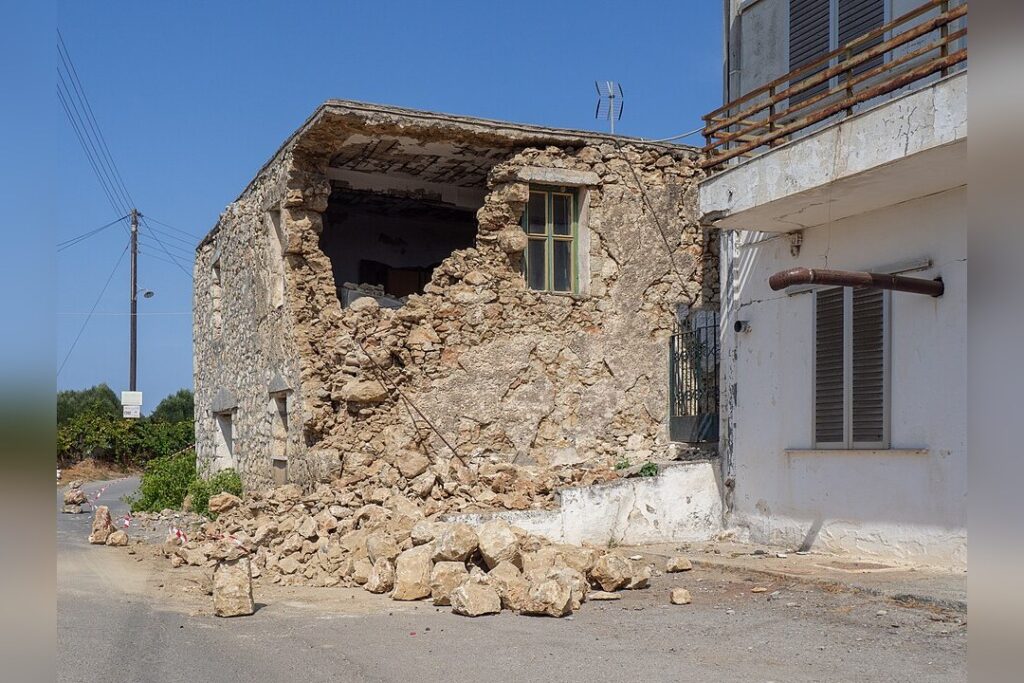
Sunday’s quake was smaller — moderate on the scale — but moderate still means possible minor to moderate damage near the epicentre. Local building standards and soil conditions decide the rest. No tsunami warning went out.
That was never in play for an inland event. Aftershocks are the next thing to watch.
They follow quakes of this size routinely. They can last days. They can last weeks.
The USGS has not issued any special warning beyond standard monitoring, but the pattern is predictable enough. The USGS detected this quake through its global seismic monitoring network.
That network runs around the clock. It picks up tremors most people never feel. This one, people felt.
Changning sits in a zone that has learned to live with the ground shifting underfoot. Forty-five moderate or larger quakes in two decades means the local population has experience. Experience does not equal safety.
A magnitude 5.2 can still knock things off shelves. It can still crack walls.
It can still hurt someone if they are in the wrong place when the shaking starts. The depth of 10 kilometres puts this quake in the shallow category. Shallow quakes release energy closer to the surface.
That energy travels straight up. It does not dissipate through miles of rock before it reaches houses and roads and people.
That is why 11 people felt it and reported it. That is why the number will probably rise. Seismologists will watch for aftershocks.
The USGS network will log them. The “Did You Feel It?” system will collect reports. The cycle repeats.
This is how it works in a seismically active region. The ground moves.
People notice. Scientists measure. Life goes on, with an eye on the next tremor.




