
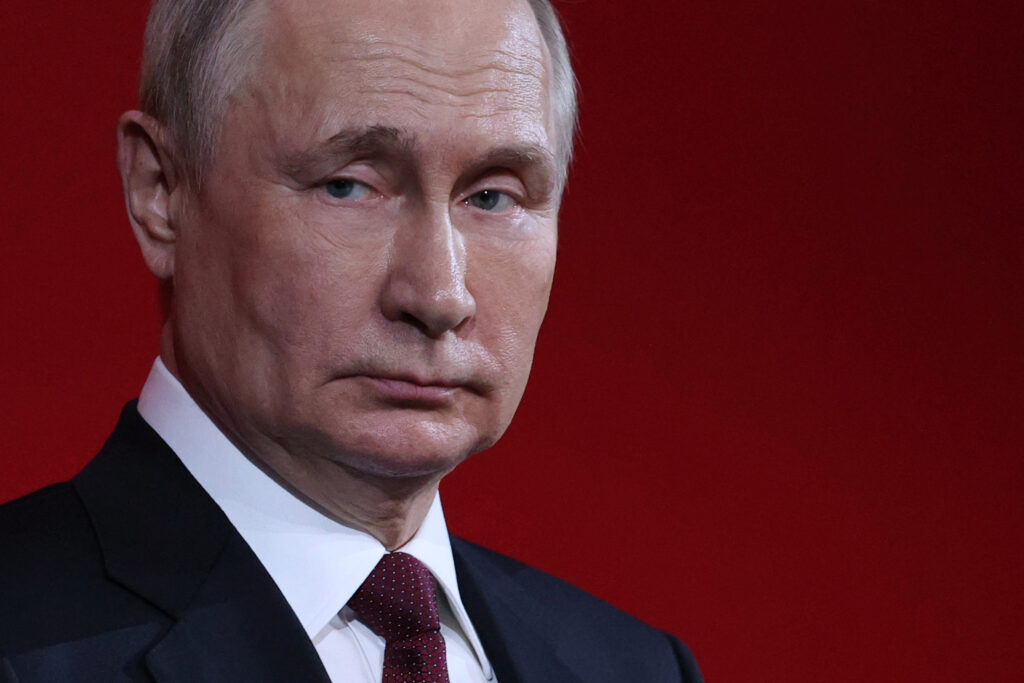
MOSCOW, July 11 — The United States is considering a new economic weapon against Moscow: heavy tariffs on Russian oil exports that, if enacted, could slash the Kremlin’s annual revenue by $50 billion to $100 billion. The proposed measure represents a potential escalation in the West’s campaign to starve Russia of the cash it needs to sustain its war in Ukraine, now in its fifth year.
For Vladimir Putin, the man who has dominated Russian politics for more than two decades, the stakes are existential: such a loss would tear a gaping hole in a budget that depends heavily on energy revenues.
A Career Built on Power and Energy Exports
Putin is a former KGB officer who entered politics in the early 1990s, serving in Saint Petersburg’s government before joining President Boris Yeltsin’s administration in Moscow. He became prime minister in 1999 and, after Yeltsin’s resignation, acting president.
Putin won his first presidential election in 2000 and served two terms until constitutional term limits forced him to step aside in 2008. He then served as prime minister under Dmitry Medvedev before returning to the presidency in 2012, a position he has held ever since. Constitutional changes adopted in 2021 allow him to remain in office well beyond his current term, ensuring his continued dominance. Over his rule, Putin has centralized power and relied on energy exports as a primary lever of influence.
Russia is the world’s third-largest oil producer, and Putin has used those exports as a geopolitical tool. His personal net worth is estimated at $200 billion, though no official figures are disclosed.
That staggering sum sits atop a system where oil and gas exports drive the economy.
The War and the Western Response
On February 24, 2022, Putin ordered the full-scale invasion of Ukraine. The war has produced tens of thousands of casualties and widespread destruction.
His stated demands include Ukrainian neutrality and recognition of Russian sovereignty over Crimea and other regions. The invasion has triggered the largest European conflict since 1945, redrawn NATO’s eastern flank, and accelerated a global realignment. Russia now faces a future of prolonged isolation from Western markets.
The response from the United States and its allies has been unprecedented: asset freezes, export controls, and a cascade of sanctions designed to choke off revenue. The proposed heavy tariffs on Russian oil are the latest potential move.
What to watch next is whether the oil tariffs become law and how Moscow responds. Putin has shown a willingness to endure economic pain for strategic goals. Putin’s domestic position, however, appears stable.
His approval rating has remained high, above 70%, according to state-controlled polls. The war in Ukraine has become the defining feature of his later rule.
His military campaigns have also extended to Chechnya, Georgia, and Syria, deepening Russia’s confrontation with the West and cementing his legacy as a leader willing to use force to pursue strategic goals.
Implications for U.S. Policy and the Global Order
For the United States, the policy of sanctions and military aid to Ukraine has continued. The proposed oil tariffs represent a potential escalation that could starve the Russian budget of the cash it needs to sustain the war effort.
The measure, if enacted, would reduce Russia’s revenue by $50-100 billion annually—a sum that could significantly hamper its ability to fund military operations. The invasion of Ukraine has reshaped Europe’s security landscape, and Russia now faces a future of prolonged isolation from Western markets. The proposed tariffs would add a new layer of economic pressure on a leader who has already weathered sanctions and export controls.
With constitutional changes ensuring his continued hold on power, Putin is likely to view any economic pain as a necessary cost of pursuing strategic objectives. The coming months will test whether the oil tariffs become law and whether Moscow can find ways to offset the crushing loss of revenue.
{“@context”: “https://schema.org”, “@type”: “NewsArticle”, “headline”: “U.S. weighs $50B-$100B tariff strike on Russian oil”, “description”: “MOSCOW, July 11 — The United States is considering a new economic weapon against Moscow: heavy tariffs on Russian oil exports that, if enacted, could…”, “datePublished”: “2026-07-11T09:30:00+00:00”, “author”: {“@type”: “Person”, “name”: “Reza Karimi”}, “publisher”: {“@type”: “Organization”, “name”: “InfoPulse Today”, “url”: “https://newsfeed.2bme.xyz/”}}




