
WASHINGTON, July 11 — The economics of hydroelectric power in the United States tell a story of massive upfront costs that, over decades, have paid off many times over. Think of it like buying a house: you shell out a huge sum at the start, but the value and income it generates over a lifetime can dwarf that initial investment.
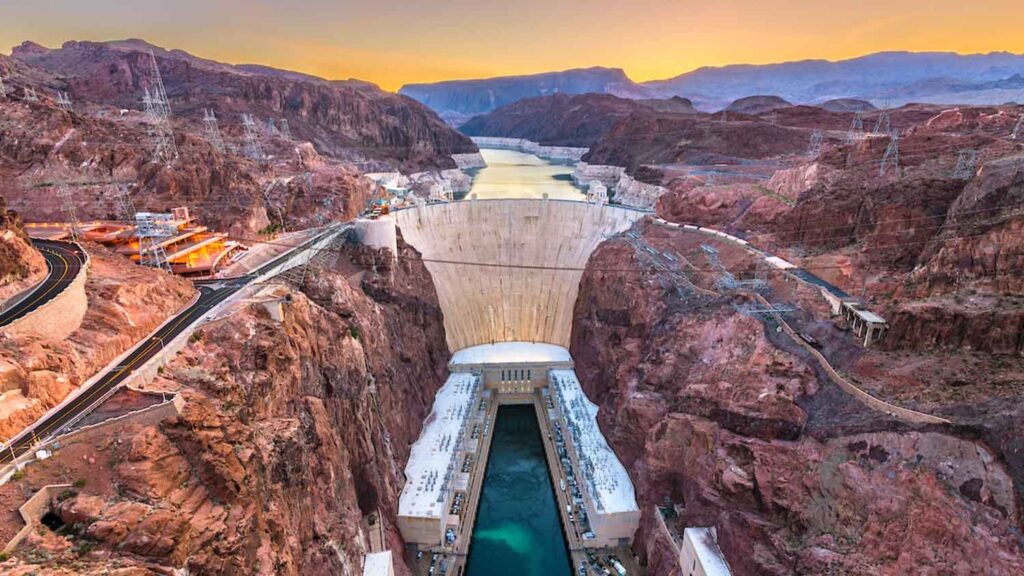
Two of the most ambitious federal hydro projects — the Hoover Dam and the Tennessee Valley Authority’s network of dams — illustrate this dynamic in plain numbers. Hoover Dam cost $49 million to build, which sounds small until you adjust for inflation: that’s roughly $1 billion in 2023 dollars. Since it began operating in 1936, however, the dam has generated over $1.5 billion in electricity revenue. The practical upshot? The dam has earned back one and a half times its inflation-adjusted construction cost just from selling power.
Hoover Dam’s power plant now produces 4.2 billion kilowatt-hours annually. In plain terms, that’s enough electricity to serve 1.3 million homes each year. The dam also enabled irrigation of 1.5 million acres in the Colorado River basin, supporting agriculture worth $1.5 billion per year. So the dam isn’t just a power generator — it’s a cornerstone of regional farming economics.
The TVA story is even bigger in scale. Its dams cost about $1.2 billion in total construction, measured in 1940s dollars. By 1950, they were generating 2,500 megawatts of hydroelectric power, worth about $200 million annually in electricity sales. That’s a substantial revenue stream, but the TVA projects also delivered a secondary benefit that’s easy to overlook: flood control. By the 1950s, the TVA was reducing flood damage by $240 million per year — meaning the dams were saving more money from preventing floods than they were earning from selling electricity.
Both projects were born during the Great Depression, and they created jobs on a massive scale. Hoover Dam employed up to 5,251 workers at its peak. The TVA employed 40,000 people at its peak in 1935. For context, that’s roughly the population of a small city, all working on a single federal program.
Where the U.S. stands today
Fast forward to 2023, and the United States had 2,400 hydroelectric dams. Their combined installed capacity was 80,000 megawatts, generating about 6% of the nation’s electricity. That’s a smaller slice of the grid than natural gas or coal, but it’s a reliable, low-carbon baseload source that doesn’t fluctuate with fuel prices.
Here’s what it means for the broader energy picture: hydro isn’t going to be the dominant power source for the U.S. going forward — there aren’t many rivers left to dam, and environmental concerns limit new construction. But the existing fleet of dams continues to produce steady, predictable revenue and flood protection, much like the Hoover and TVA projects have for nearly a century.
The key takeaway for readers is that these dams were expensive public investments that took decades to fully pay off. But by any financial measure — electricity sales, agricultural support, flood damage prevention — they have delivered returns far exceeding their original price tags. That’s a track record worth watching as policymakers debate how to fund new energy infrastructure today.
{“@context”: “https://schema.org”, “@type”: “NewsArticle”, “headline”: “Hoover Dam and TVA Generated Billions in Jobs and Power”, “description”: “WASHINGTON, July 11 — The economics of hydroelectric power in the United States tell a story of massive upfront costs that, over decades, have paid…”, “datePublished”: “2026-07-11T09:30:00+00:00”, “author”: {“@type”: “Person”, “name”: “Erika Johnson”}, “publisher”: {“@type”: “Organization”, “name”: “InfoPulse Today”, “url”: “https://newsfeed.2bme.xyz/”}}




