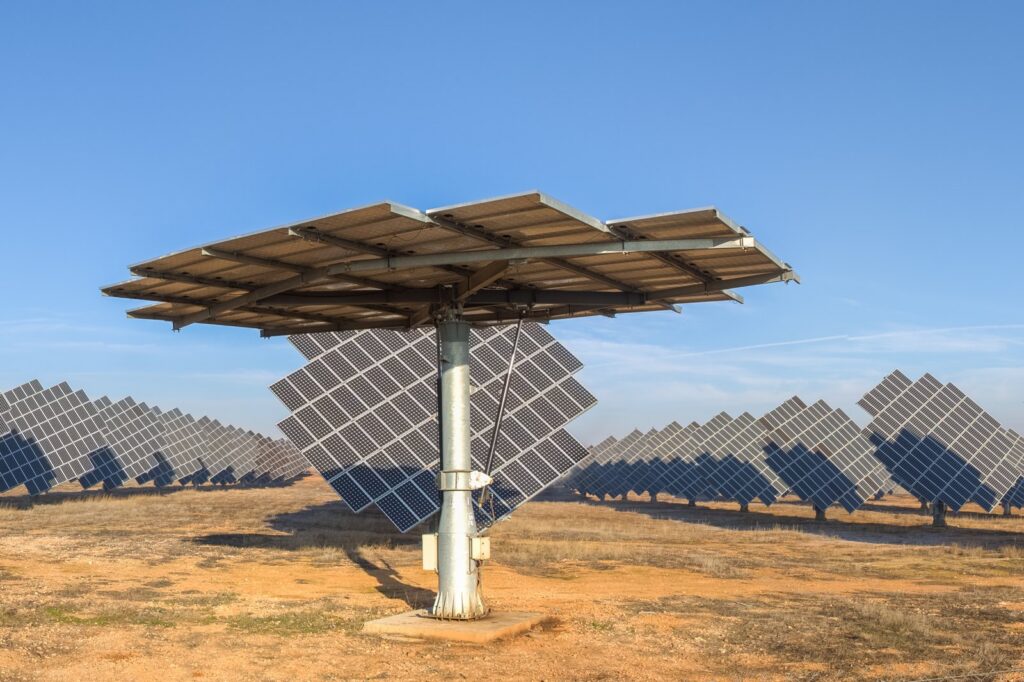
The world is heading for between 2.6 and 2.8 degrees Celsius of warming by the end of the century, according to a new United Nations Environment Programme report. That is well past the Paris Agreement’s ceiling of 2 degrees, and it lands after what the report calls decades of insufficient climate action. The annual study, titled The Point of Return, says the 1.5-degree goal is no longer within reach for the first time. It also says countries can still limit peak warming and shorten the period of overshoot.
A clean energy boom that is not enough
Here’s what it means in plain terms: the good news and the bad news are both true. Renewables now supply a bigger share of the global energy mix than coal. One in four new cars sold last year was electric, which avoids the use of 1.2 million barrels of oil a day. Yet emissions from fossil fuels rose last year, and methane stayed flat despite pledges from countries and companies to bring it down. Politico, summarizing the UNEP figures, put it bluntly: the transition has been far too slow to stop warming.
Think of it like bailing a leaking boat with a cup. The cup is getting bigger, but the water keeps coming. Energy demand is climbing as fast as clean supply, pushed by the AI boom in the Global North and by economic development in the Global South. The practical upshot is that efficiency and tighter rules on consumption have to come along with new wind and solar.
Security, not climate, is driving the buildout
Back-to-back oil and gas price shocks, tied to the wars in Ukraine and Iran, have set off the fastest expansion of clean energy in history. Inger Andersen, the UNEP’s executive director, said “everybody is scrambling a little bit regarding energy security.” Renewables are growing even in the poorest countries because governments see them as the cheapest and safest route to energy independence. That is good for the industry. It also means climate targets are no longer the main reason anyone is building.
The United States stands apart
The report singles out the U.S. as the only major economy where planet-warming pollution rose sharply last year. Among the largest emitters, it tied with Russia for the highest emissions per capita. China emits more in total, but has more than four times the population. Rising electricity demand played a part, and so did Trump administration policy: orders keeping coal plants open longer, weaker vehicle fuel-efficiency standards, and the end of tax credits for solar and wind projects.
Andersen said those policies make the U.S. an outlier. Several G20 members, she noted, have kept cutting emissions despite the upheaval, the European Union among them. Washington has pulled out of the Paris Agreement and is working to leave all U.N. climate work. The report carries a statement from the U.S. government saying it does not endorse the analysis or conclusions.
What the numbers demand
Global emissions were basically flat from one year to the next. Keeping warming under 2 degrees would take a cut of about 25 percent over the next decade. About two thirds of countries have filed current emissions plans under the Paris deal, and if all of them deliver, the cut would be roughly 15 percent.
The report arrives less than a month before climate talks open in Turkey, where leaders are due to discuss faster clean energy investment and how to pay for climate damage. The Trump administration will not take part. Turkey, which has been hit by heatwaves and drought, calls climate finance its top issue.
Sources
- World Is on Track for Up to 2.8 Degrees of Warming Despite Clean Energy Boom | OilPrice.com
- World Is on Track for Up to 2.8 Degrees of Warming Despite Clean Energy Boom | OilPrice.com
- United Nations report highlights significant increase in U.S. climate pollution
Photo: Diego Delso (CC BY-SA 4.0)