
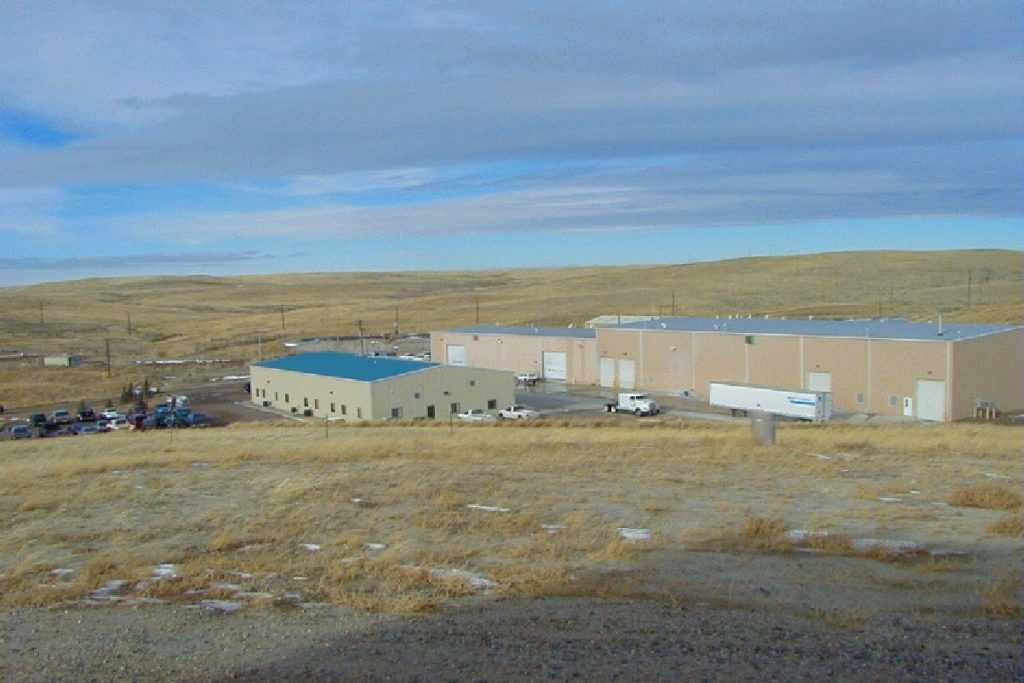
WASHINGTON, USA — Domestic uranium mines produced 224,331 pounds of uranium oxide (U3O8), or 101.8 metric tonnes, in 2023. This output represents a sharp drop from 2018, when production reached 1,447,945 pounds (656.8 tonnes). The 2023 total is about 15 percent of the volume produced five years earlier.
This supply met roughly 0.4 percent of the annual uranium requirements for the U.S. nuclear power fleet. The remaining fuel used by reactors in the United States continues to come from foreign sources.
Production Methods and Sites
Domestic output in 2023 relied on conventional mills and in-situ leaching (ISL) plants. Five ISL plants were active. Four operated in Wyoming and one operated in Nebraska.
The Wyoming sites included the Smith Ranch-Highland Operation, the Lost Creek Project, the Lance Project, and the Nichols Ranch ISR Project. In Nebraska, production came from the Crowe Butte Operation.
A conventional mill at White Mesa in Utah also contributed to the total. These two methods differ in their technical approach. The White Mesa mill processes ore through grinding and crushing.
In contrast, the ISL process dissolves uranium in a solution that is pumped to the surface for processing. This method has a lower environmental impact than traditional mining.
Industry Background
The United States has a long history of uranium extraction. Between 1949 and 2019, total production reached 979.9 million pounds (444,500 tonnes). The recent decline highlights specific challenges facing the domestic industry.
These include declining demand for nuclear fuel and increased competition from foreign producers. Because the U.S. nuclear power industry relies heavily on uranium fuel, the small percentage met by domestic production indicates a need for alternative sources or increased investment.
Future Outlook
The role of domestic production remains important as demand evolves. The industry faces a shifting global energy landscape. To become more competitive, the sector may need to adapt through the development of new technologies.
Advanced ISL could increase efficiency and reduce costs. Uranium mining remains a critical component as the U.S. weighs its energy options and the role of nuclear power.
Established infrastructure and a long history position the industry to contribute to the national energy conversation. Industry trends, regulatory developments, and production levels will require continued monitoring to understand the potential impact on energy security.
Background and why it matters
The United States is a North American country that is both vast in size, rich in resources, and holds significant influence on the global stage. The country was founded on the principles of democracy and capitalism and has grown to become a world leader across various sectors. United States history is marked by periods of exploration and expansion, a civil war that settled the issue of slavery, involvement in both World Wars, and the Cold War, which ultimately positioned the country as a global superpower. Today, U.S. policies and actions in areas such as trade, nuclear power, and energy influence various aspects around the world. The domestic uranium industry, which plays a significant role in nuclear power, is thus a piece of a larger geopolitical puzzle that matters in the broader global context.




