
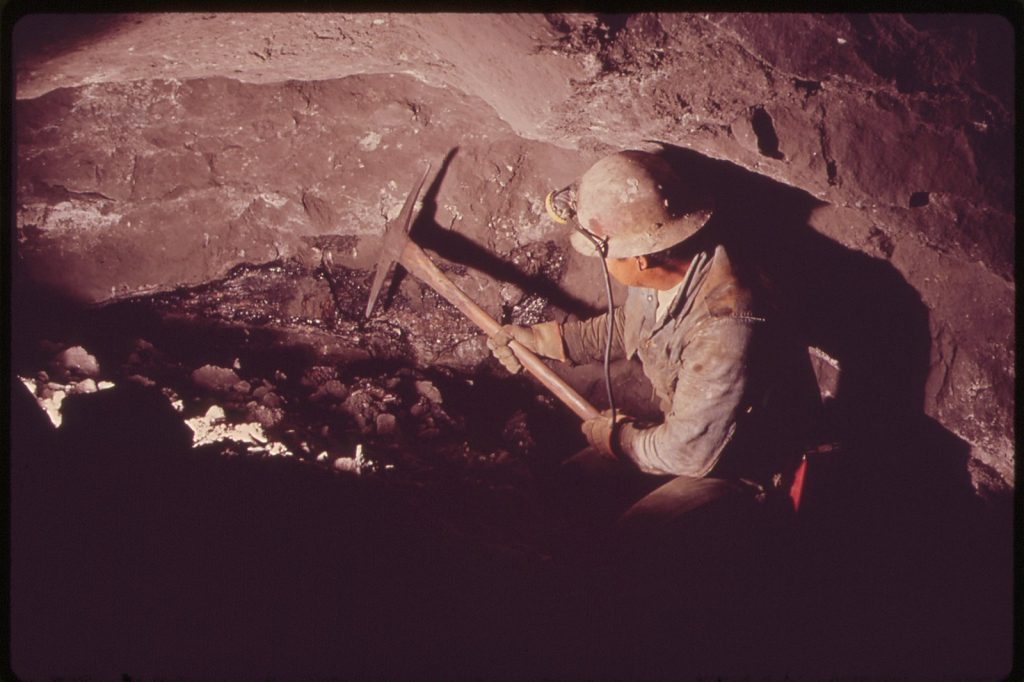
In 2023 the United States produced just 224,331 pounds of uranium oxide, a dramatic drop from the 1.45 million pounds mined in 2018. That output represents only about 15 % of the level recorded five years earlier and supplies fewer than 0.5 % of the uranium required to keep the nation’s nuclear power plants operating. The country’s nuclear fleet, the largest in the world, now relies almost entirely on imported fuel.
While domestic mines once contributed significantly—totaling 979.9 million pounds of uranium oxide between 1949 and 2019—the sector has contracted to a symbolic presence in the global market. Lower‑cost producers in Kazakhstan, Canada and Australia now dominate, leaving U.S. operations unable to compete on price.
Five in‑situ leaching (ISL) facilities accounted for the bulk of 2023 production. Four of these—Nichols Ranch, Lance, Lost Creek and Smith Ranch‑Highland—are located in Wyoming, while the fifth, Crow Butte, operates in Nebraska. An additional conventional mill, White Mesa in Utah, also contributed to the total.
ISL involves circulating a leaching solution through underground uranium deposits and pumping the uranium‑laden fluid to the surface, a method that minimizes surface disturbance compared with traditional mining. The White Mesa mill processes ore using a conventional milling approach; both techniques ultimately yield the same uranium product.
Despite the presence of these plants, the combined output covers only a sliver of the fuel demand for reactors that generate roughly one‑fifth of the United States’ electricity. The 2023 figure of 101.8 tonnes of U₃O₈ is effectively a rounding error in the international supply chain, underscoring the nation’s dependence on foreign sources. The decline has tangible consequences for the communities that host the remaining operations.
Towns in Wyoming and Nebraska face reduced employment and lower tax revenues as the ISL plants confront uncertain market conditions. Workers at the White Mesa mill in Utah also confront an uncertain future as production volumes remain insufficient to sustain larger-scale operations.
Policy implications are evident but have yet to translate into decisive action. The shrinking domestic supply raises national‑security concerns, given the strategic importance of uranium for energy independence. Yet the regulatory environment for new mining projects remains ambiguous, and demand for nuclear fuel has not accelerated as some industry advocates anticipated.
Looking ahead, the outlook for U.S. uranium mining appears bleak. The five ISL facilities that operated in 2023 could see further reductions if global competition intensifies or if market conditions deteriorate further.
Without a shift in policy, investment or market dynamics, domestic production is unlikely to rebound, leaving the United States increasingly reliant on overseas suppliers for a fuel that powers a substantial portion of its electricity grid.




