
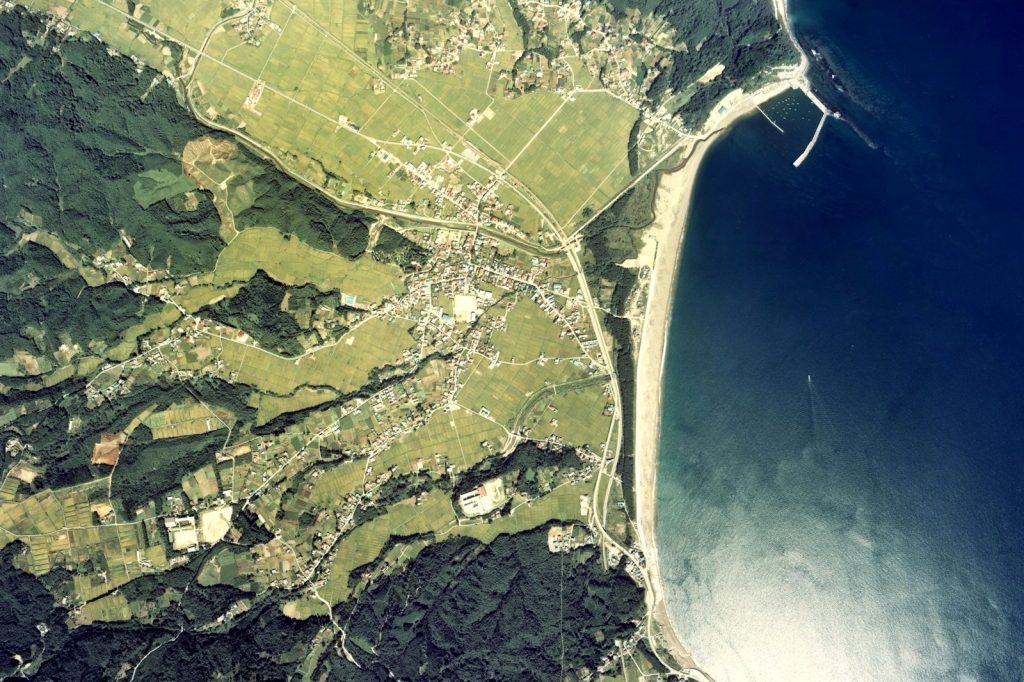
The ground beneath Noda, Japan, did not move much on June 27. But for the people who felt it, the shaking was sharp. The U.S. Geological Survey recorded a magnitude 5.9 earthquake at 20:21 UTC, 50 kilometres east-northeast of the city.
The depth was 35 kilometres. That depth is the key number.
Shallow earthquakes, those less than 70 kilometres deep, release their energy closer to the surface. The USGS classifies this one as shallow. At 35 kilometres, the rupture sits inside the brittle upper crust, where stress builds and then snaps.
The result is a jolt, not a roll. Two people reported feeling the quake through USGS systems.
No tsunami warning was issued. This is not the big one. Magnitude 5.9 is classified as moderate.
It can cause minor to moderate damage near the epicentre, but it is not catastrophic. The region has seen far worse. The USGS data shows at least 500 earthquakes of magnitude 5.0 or greater have occurred within roughly 300 kilometres of this location over the past two decades.
The largest in that period was a magnitude 9.1 in 2011. That event killed thousands and triggered a nuclear disaster.
A 5.9 is a different category entirely. But the science of shallow quakes matters for anyone in the affected area. The energy from a 35-kilometre-deep rupture does not have to travel far through rock to reach the surface.
It arrives concentrated. Deeper earthquakes, say at 100 kilometres or more, spread that energy across a longer path, and the shaking dissipates.
A 5.9 at 35 kilometres packs more punch than a deeper rumble of the same magnitude. The local geology also influences how the energy spreads, but the depth is the primary factor. Seismologists expect aftershocks.
They are common after a quake of this size. They may continue for days or weeks. People in the area are generally advised to be prepared for further shaking.
The USGS detected the event through its real-time global seismic monitoring network, which tracks ground motion continuously around the world. The broader picture is familiar to anyone who studies Japan’s seismic history.
This part of the country is intensely active. The Pacific Plate subducts beneath the Okhotsk Plate, and the process generates constant stress. The 2011 Tohoku earthquake was a megathrust event, a rupture along the plate boundary that released centuries of accumulated strain.
A 5.9 is a smaller release, a fracture in the upper crust, not a plate-boundary slip. The mechanism is different.
The result is less severe. Still, a shallow 5.9 is a reminder of the ground’s instability. It is not a warning.
It is not a precursor. It is just an earthquake, one of many in a region that has seen at least 500 of magnitude 5.0 or greater in two decades. The USGS recorded it, two people felt it, and the shaking was sharp because of where it happened.
That is the fact that matters. The depth made it felt.
The depth made it notable. The depth is the reason it is news.




