
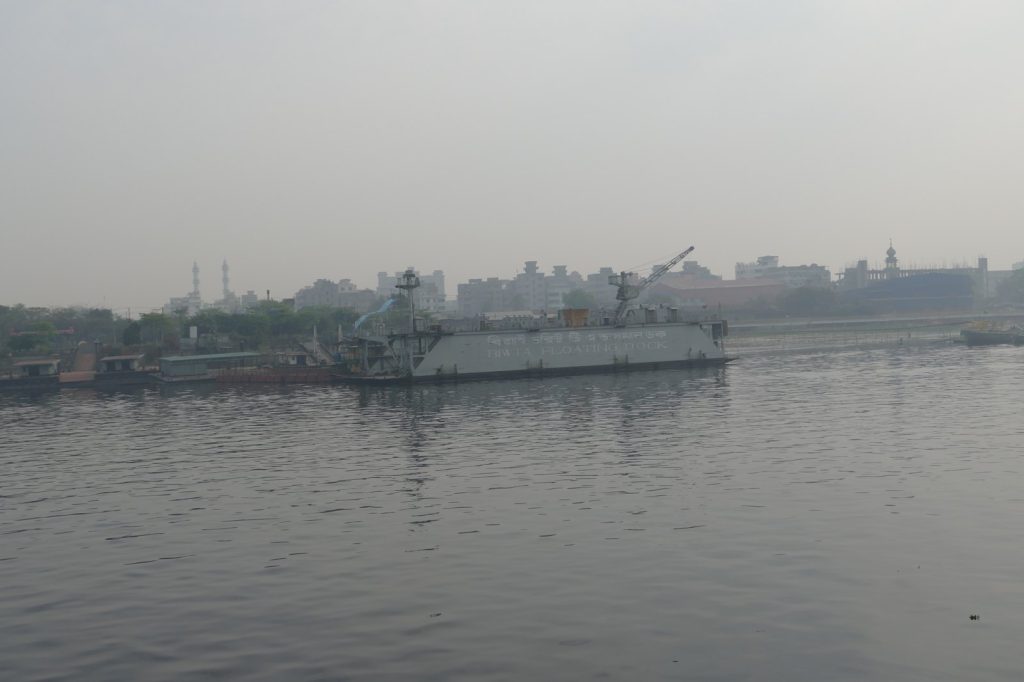
Emergency crews are still on the scene of a tragic capsizing on the Buriganga River, just outside Dhaka, where a water bus carrying twenty passengers overturned. At least four people have been confirmed dead, while seven others remain in hospital receiving treatment for injuries that range from minor to serious.
Rescue teams continue to search the river for any remaining passengers who may still be missing or trapped. The incident has reignited public concern over the safety standards and upkeep of water‑borne transport operating on the river that bisects Bangladesh’s capital. The Buriganga serves as a crucial commuter corridor, with dozens of ferries and water buses ferrying thousands of passengers each day.
Although these services are praised for their affordability and convenience, the risk of accidents has long been a subject of debate. According to officials, the vessel was fully loaded with twenty riders when it suddenly capsized, prompting panic among those on board.
The precise cause of the overturn has not yet been determined, and authorities have indicated that a formal investigation will be launched to identify any contributing factors, such as possible overloading, mechanical failure, or inadequate safety equipment. Medical personnel are currently attending to the injured survivors at nearby hospitals. Their conditions are being closely monitored, and families of the victims have been notified and are receiving assistance from local authorities. The rescue operation, which began shortly after the boat went down, involves police, fire services, and volunteers working together to locate any additional passengers.
The accident has sparked a wider discussion about the regulatory framework governing river transport in Bangladesh. Critics point to recurring issues of insufficient maintenance, overcrowding, and a lack of life‑saving gear on many water vessels.
They argue that stricter enforcement of safety protocols and regular inspections could help prevent similar tragedies. Beyond safety concerns, the Buriganga River faces ongoing environmental challenges, including pollution and waste management problems that affect both the ecosystem and the communities that rely on it. The river supports a diverse array of plant and animal life, and its health is directly linked to the well‑being of residents in Dhka and surrounding areas.
Stakeholders emphasize that improving the safety of water transport must go hand‑in‑hand with broader sustainability efforts. Advocates suggest that investing in renewable energy sources—such as solar or wind power—for boat propulsion could reduce reliance on fossil fuels and lessen the environmental footprint of river traffic.
As the rescue work draws to a close and investigators prepare to examine the circumstances of the capsizing, the incident serves as a stark reminder of the need for comprehensive reforms. Community leaders, transport operators, and environmental groups are calling for coordinated action to upgrade vessel maintenance, enforce passenger limits, and equip boats with adequate life‑saving equipment. The tragedy on the Buriganga has resonated throughout the nation, prompting calls for change that extend beyond immediate safety measures.
By prioritizing both the protection of passengers and the preservation of the river’s ecological balance, officials hope to restore confidence in water transport and safeguard the river that remains a lifeline for Dhaka’s bustling population.




