
GENEVA, September 27 — World leaders met on Wednesday to discuss how to turn climate priorities into action, with the World Meteorological Organization and UN officials pointing to a year of extreme weather as the backdrop for the talks. The WMO, the UN’s specialized agency for meteorology, describes the events of 2026 as stark reminders of a changing climate. They include deadly floods in the Himalayas, wildfires and extreme heat across Europe.
The stated task facing governments is twofold: protect people from impacts already unfolding, and rapidly cut emissions of the harmful gasses driving climate change.
Guterres presses for fossil fuel timelines
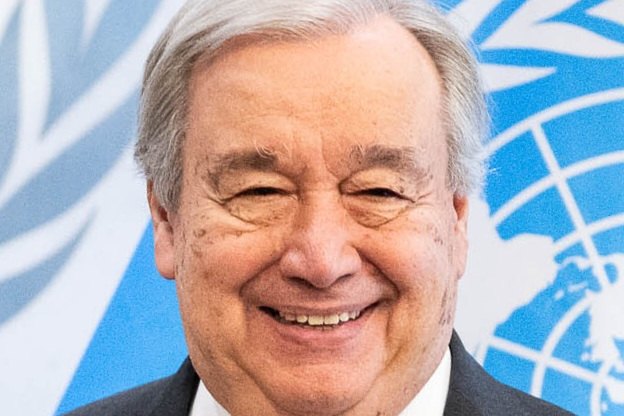
UN Secretary-General António Guterres called on countries to set clear timelines for transitioning away from fossil fuels. Nepal’s prime minister urged climate justice after what was described as a “Himalayan tsunami” devastated the country. UN climate coverage framed the challenge as coming down to three factors: speed, finance and cooperation.
The meeting follows a year of compounding climate impacts that have pushed adaptation and mitigation financing to the center of international negotiations.
El Niño builds in an already hotter world
Separately, UN experts warned that El Niño is strengthening in a world that is already hotter, raising the risk of drought, floods and crop losses across some of the world’s most important food-producing regions. Unlike many disasters, this one can be seen coming, and the months ahead offer countries a chance not only to protect the next harvest and global food security but to prepare for a more unpredictable climate in the long run.
UN climate reporting also noted that temporarily exceeding the 1.5°C global warming goal set in the 2015 Paris Agreement is widely considered inevitable, and that the challenge now is to keep that overshoot as small and short as possible by cutting emissions faster, unlocking finance and strengthening international cooperation. For Central Asia, the stakes sit squarely in water and grain.
The region’s rivers are fed by the same high-mountain snow and ice systems that produced this year’s Himalayan floods, and its wheat belts are exposed to the drought patterns El Niño tends to amplify. Officials noted that adaptation spending and the financing behind it are now central to the negotiations, not a side agenda. The WMO coordinates international meteorological and climate observation and is the source of the image of a man walking on a beach in Maldonado, Uruguay, used in the coverage.
What to watch next: whether governments attach firm timelines to the fossil fuel transition Guterres has demanded, and whether the finance pledged for adaptation reaches the regions facing the coming El Niño harvest risk.




