
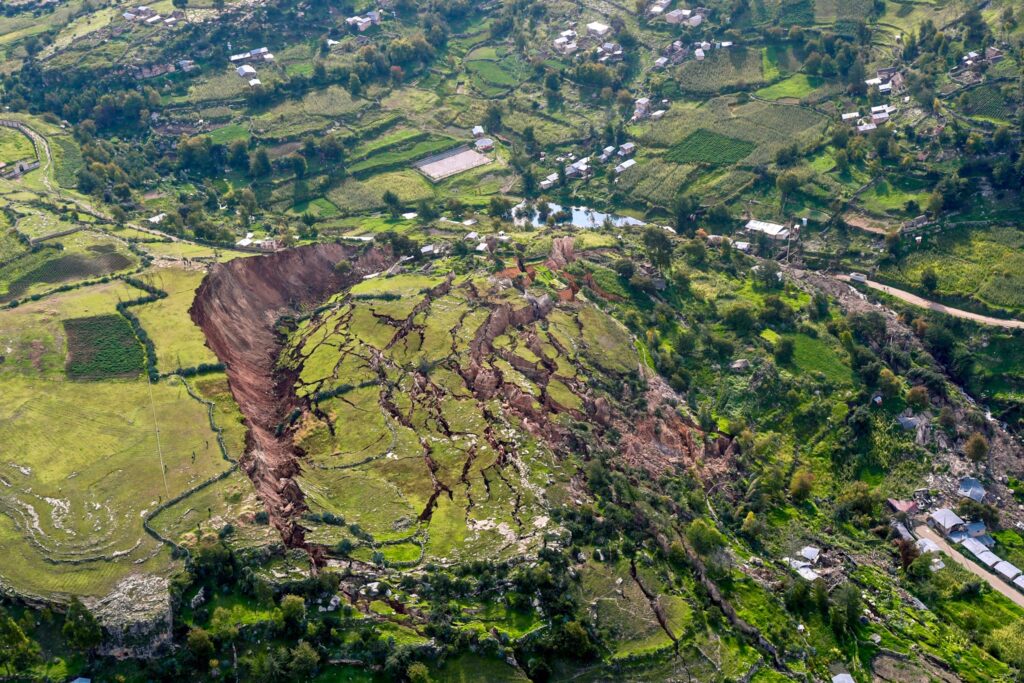
A catastrophic series of landslides in Yaoundé, Cameroon, has claimed at least 27 lives and left 50 others injured, authorities reported on October 8, 2023. The disaster unfolded after intense rainfall triggered mass ground movements across the city, which is built on steep terrain highly susceptible to such events.
Landslides represent a form of mass wasting that includes rockfalls, mudflows, and slope failures. While gravity serves as the fundamental force behind these movements, multiple factors influence slope stability, including soil composition, vegetation cover, and human activities. In this incident, heavy precipitation acted as the immediate trigger that caused slopes to give way.
Yaoundé’s geography makes it particularly vulnerable to these phenomena. The city’s steep slope gradients create conditions where even moderate disturbances can lead to catastrophic ground displacement. The recent heavy rains exacerbated an already precarious situation, overwhelming the natural stability of hillsides throughout the urban area.
Response efforts now face significant challenges as local authorities, emergency services, and aid organizations coordinate assistance for affected communities. The immediate priorities include providing medical care, food, and shelter to survivors. The scale of the disaster has left residents reeling, with many families directly impacted by the loss of life and property damage.
Understanding Landslide Risks and Prevention
Landslides can occur across diverse environments, from mountain ranges to coastal cliffs and even underwater settings. They affect both rural areas and urban centers like Yaoundé. The fact that specific events such as heavy rainfall can trigger these disasters underscores the importance of effective monitoring and early warning systems.
Communities can reduce landslide risks through several approaches. Reforestation efforts help stabilize soil with root systems, while terracing and other engineering solutions prevent erosion and slope failure. Geological surveys can identify areas most at risk, allowing for targeted prevention measures.
Renewable energy sources, including solar and wind power, play a supporting role in disaster preparedness. These technologies can power early warning systems, monitoring equipment, and critical infrastructure needed for effective emergency response. Transitioning to cleaner energy also reduces environmental strain and promotes long-term sustainability.
As Yaoundé begins recovery and rebuilding, attention will turn to developing strategies that prevent similar disasters. This includes implementing slope stabilization measures, establishing early warning systems, and conducting comprehensive geological assessments. The tragedy highlights the need for communities worldwide to invest in preparedness and environmental protection to mitigate the impact of natural disasters.




