
Landslide Tragedy Strikes Yaoundé After October 8 Downpour
Yaoundé’s steep hillsides turned lethal when intense rain fell on October 8, triggering landslides that swept through neighborhoods. The ground gave way under the weight of water, and gravity pulled a mass of rock, soil and debris downhill. At least twenty‑seven people lost their lives and fifty more were injured.
Rescue crews are still searching the debris, so the death toll is expected to rise. The mechanics of a landslide are simple: a saturated slope loses its strength and the material slides downward.
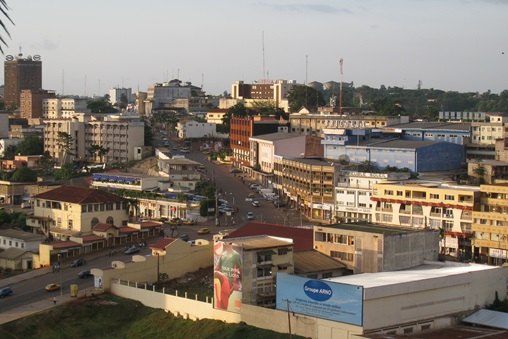
In Yaoundé the terrain is naturally prone to sliding; the city was built on slopes that want to move. Sustained downpours saturate the soil, reducing friction and allowing the hillside to fail. This pattern is not unique to the capital; landslides occur in mountains, along coastal cliffs and even beneath the sea, taking the form of rockfalls, mudflows or general slope failures. While the immediate trigger was the heavy rain, the underlying problem is the city’s foundation.
Yaoundé sits on unstable ground that receives little reinforcement. Vegetation, especially tree roots, helps bind soil, but widespread clearing for construction, excavation and deforestation has stripped away that natural hold.
As the city expands, more hills are cut for housing, leaving steep faces exposed to the next storm. The impact on local services has been severe. Hospitals are receiving a sudden influx of trauma cases — broken bones, crush injuries and head wounds — stretching medical supplies and exhausting staff.
The disaster overloads the city’s health system, just as it overloads roads and utilities. Getting aid to those affected is complicated by blocked routes.
Landslides bury roads, cut off access and destroy infrastructure, isolating communities. Responders must not only pull survivors from the mud but also deliver clean water, food and medical care to people whose homes and streets have vanished. Experts stress that without monitoring and early‑warning systems the next heavy rain will produce a similar outcome.
Investing in such systems can lower risk, as can slope‑stabilisation projects that reinforce hillsides. Reforestation, terracing and improved drainage also help, but all require funding.
For a city built on steep terrain these measures are not optional. Yaoundé is not alone. Many developing‑world cities sit on slopes where population growth outpaces infrastructure development.
The same sequence — rain, slope failure, death — repeats elsewhere. The pressing question is whether the response will remain limited to digging out the dead or will expand to preventing the next collapse.
For now the priority is the living: fifty injured people need treatment, families need shelter, and authorities must clear roads and bury the dead. Yet the ground beneath the city has not changed; the slopes remain unstable and the next storm will inevitably come.




