
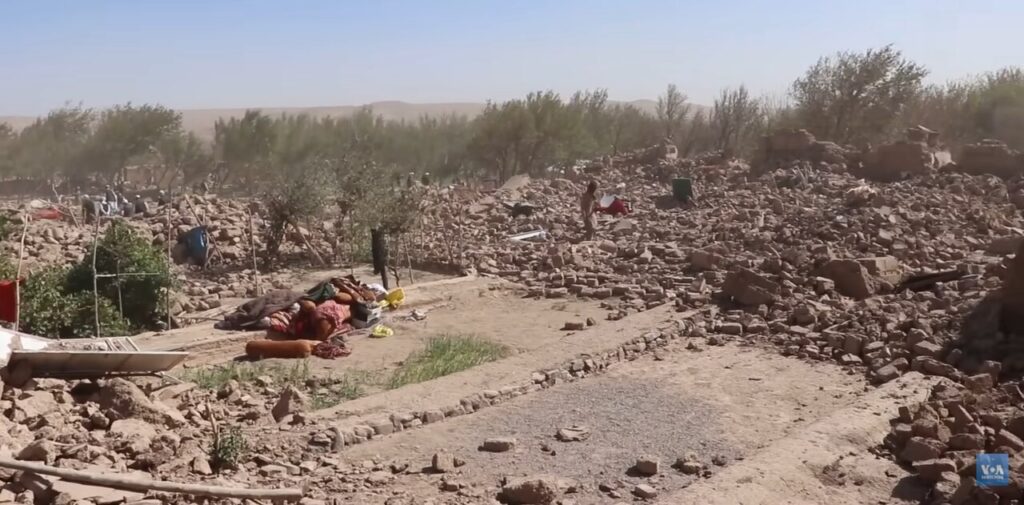
A seismic event measuring magnitude 6.3 occurred near Herat, Afghanistan, on October 11, 2023, resulting in at least one fatality and 65 injuries. This aftershock follows two earthquakes of identical magnitude that devastated the same area just four days earlier, causing thousands of deaths. The latest tremor has intensified concerns over continued seismic instability and its effects on already struggling communities.
Seismologists describe aftershocks as smaller quakes that follow a major seismic event, resulting from the Earth’s crust adjusting after the initial rupture. Typically, their frequency and strength diminish over time according to predictable patterns. However, the occurrence of this significant aftershock so soon after the original earthquakes underscores the region’s complex and unpredictable seismic behavior.
Herat, located in western Afghanistan, lies in a geologically active zone with multiple major fault lines, making it susceptible to earthquakes. As authorities assess the full impact of the recent aftershock, the city’s infrastructure and emergency services face mounting pressure. International aid has been mobilized, focusing on delivering medical care, shelter, and food to affected populations. Response efforts are prioritizing vulnerable groups, including the injured, elderly, and young children.
Challenges Posed by Aftershocks
Aftershocks present significant obstacles to rescue operations and community recovery. They can worsen damage to weakened structures, trigger landslides, and disrupt essential services like power and water. The psychological toll is also considerable, heightening anxiety and fear among survivors. Understanding aftershock patterns helps scientists and emergency planners improve preparedness and response, potentially saving lives and minimizing further harm.
Rebuilding and recovery in Herat and surrounding areas will be a prolonged and complex process. The international community’s support is crucial not only for immediate relief but also for long-term reconstruction. Investing in renewable energy sources, such as solar and wind power, can enhance energy security and reduce costs, making it a key element of rebuilding efforts. Prioritizing sustainable and resilient infrastructure can help create a safer future for Herat’s residents.
The path to recovery will be difficult, but with adequate support and a focus on sustainable development, the region can rebuild stronger. This disaster serves as a reminder of the importance of protecting natural systems. Embracing renewable energy, reducing waste, and promoting sustainable practices contribute to a healthier environment. As Herat embarks on reconstruction, it deserves continued solidarity and commitment to a sustainable future.




