
A moderate earthquake measuring magnitude 5.3 struck the southern Mid-Atlantic Ridge at 20:21 UTC today, according to the U.S. Geological Survey. The temblor occurred at a shallow depth of 10 kilometers and did not trigger any tsunami warning.
The event took place in a seismically active stretch of the ocean floor, where tectonic forces are constantly at work. The USGS detected the quake through its real-time global seismic monitoring network, which allows scientists to track such events as they happen anywhere in the world.
Seismic History and Regional Context
Over the past two decades, at least 59 earthquakes of magnitude 5.0 or greater have been recorded within about 300 kilometers of today’s epicenter. The strongest among them was a magnitude 6.1 temblor in 2017. This pattern of frequent shaking underscores the ridge’s nature as an active tectonic boundary.
Because most of these earthquakes occur far from populated landmasses, they rarely pose a direct threat to communities, yet each event provides valuable data for understanding how the Earth’s crust behaves under stress. The USGS monitoring helps scientists analyze the behavior of this particular stretch of the ridge, contributing to broader knowledge of plate tectonics.
Magnitude and Depth Characteristics
Shallow earthquakes — those less than 70 kilometers deep — typically produce stronger shaking at the surface than deeper ones of the same magnitude. At 10 kilometers deep, today’s quake falls squarely into that category.
When an earthquake ruptures close to the surface, the energy released has less rock to travel through before reaching the surface, resulting in more intense ground motion. A magnitude 5.3 earthquake releases enough energy to be felt over a wide area, even though the epicenter lies beneath the sea. Seismologists classify earthquakes in the magnitude 5 range as moderate, noting that they can cause minor to moderate damage near the epicenter. In this case, the epicenter is far from any populated land, so damage is unlikely, but the event still merits attention from researchers.
Aftershocks are common following an earthquake of this size, and such secondary shaking may continue for days or weeks. People in the affected area — though remote — are generally advised to be prepared for further shaking.
The U.S. Geological Survey will continue to monitor the region for aftershocks, and its global network remains on alert for any further seismic activity in the area.
Broader Geological Significance
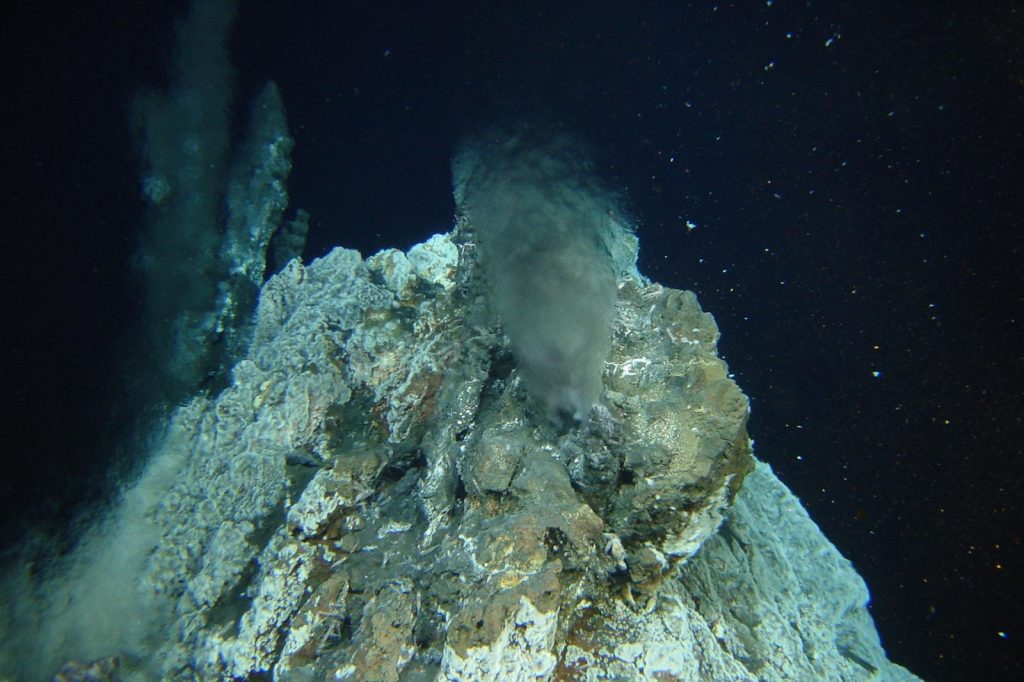
The Mid-Atlantic Ridge is a submarine mountain range formed by tectonic plates pulling apart, creating new oceanic crust as magma rises to fill the gap. This process, known as seafloor spreading, has shaped the Atlantic Ocean for millions of years, gradually pushing the American and Eurasian continents farther apart.
The Mid-Atlantic Ridge is one of the longest mountain ranges in the world, stretching beneath the Atlantic Ocean from the Arctic to the Antarctic. Earthquakes along the ridge are common because the movement of tectonic plates generates seismic activity. While most of these quakes occur far from populated areas, they provide critical data for understanding plate tectonics and the forces shaping Earth’s crust.
Today’s event reflects the ridge’s ongoing geological activity, which has implications for global seismology and the study of Earth’s dynamic systems. Each earthquake along this boundary adds to the growing record of how the planet evolves over time.
The U.S. Geological Survey’s continuous monitoring ensures that even remote undersea events are logged and analyzed, contributing to a fuller picture of the seismic processes that drive continental drift and ocean basin formation.




