MEXICO CITY, October 28, 2026 — Global diesel price volatility and refining bottlenecks are forcing mining operators in Mexico to confront rising production costs that threaten to outpace gains from commodity prices. As energy inputs become a larger share of site-level expenses, companies are adjusting operational models to protect margins against persistent supply constraints.
Energy Inflation and Supply Constraints
The current cost environment is driven by a combination of refinery capacity limitations, regional geopolitical friction, and shifts in global crude processing. According to the International Energy Agency (IEA), global diesel shortages could persist into 2027 because inventories were drawn down while refining capacity was impaired. The IEA expects global refinery throughput to average about 81.5 million barrels per day in 2026, a decline from approximately 84 million barrels per day in 2025.
In Mexico, these global pressures are amplified by the country’s reliance on the United States for a significant portion of its refined fuels. During periods of peak volatility, ultra-low sulfur diesel (ULSD) crack spreads reached US$108 per barrel, placing direct pressure on local fuel distribution costs. While the Ministry of Finance (SHCP) previously deployed fiscal instruments like the zero-rate Special Tax on Production and Services (IEPS) to stabilize prices, these buffers are largely exhausted. Industrial operators now remain exposed to international import parity pricing.
Margin Pressure on Mining Operations
Fuel typically accounts for 10% to 25% of site-level operating expenses in mining, primarily through the use of diesel-electric haul trucks, heavy machinery, and secondary logistics. Analysts at TD Cowen estimate an average 15% year-on-year increase in All-In Sustaining Costs (AISC) across global mining assets, alongside a 22% increase in all-in expenditure.
Individual company performance highlights the uneven impact of these costs. Capstone Copper reported a 15% year-on-year increase in consolidated second-quarter cash costs to US$2.82 per pound, with energy inflation cited as a primary driver. At its Mantos Blancos operation, diesel added US$0.19 per pound to costs. The company has hedged only 42% of its roughly 90 million litres of second-half diesel use, leaving a significant portion of its consumption exposed to market prices. Conversely, Grupo México reported a 56% surge in third-quarter net profit to US$2 billion, benefiting from elevated copper sales and multi-metal integration that helped offset higher fuel costs.
Operational Adjustments and Future Outlook
To manage these rising expenditures, mining operators are re-evaluating their mine planning models. When diesel costs rise, companies often implement cut-off grade adjustments, where the grade threshold required to process ore is raised to account for higher haulage expenses. This strategy can potentially reduce the overall life of a mine.
Decarbonization efforts, such as transitioning heavy equipment away from diesel, remain a priority, but these initiatives face structural hurdles. In northern Mexico, the rapid expansion of AI infrastructure and data centers is placing pressure on electrical transmission capacity. Replacing diesel generators with grid connections or dedicated renewable capacity requires significant capital investment, regulatory approvals from the Energy Regulatory Commission (CRE), and extended timelines for interconnection.
Despite these challenges, the sector maintains a significant economic profile. According to the Mexican Mining Chamber (CAMIMEX), the industry has the capacity to generate US$43 billion in investment and 500,000 direct and indirect jobs over a six-year horizon. Industry stakeholders note that realizing this potential depends on maintaining regulatory clarity and fiscal competitiveness in an environment where energy costs remain a defining factor for operational success.
Sources
- Diesel Price Volatility Squeezes Mining Margins in Mexico
- Diesel Prices Are Driving Up Mining Costs, but Profits Hide It
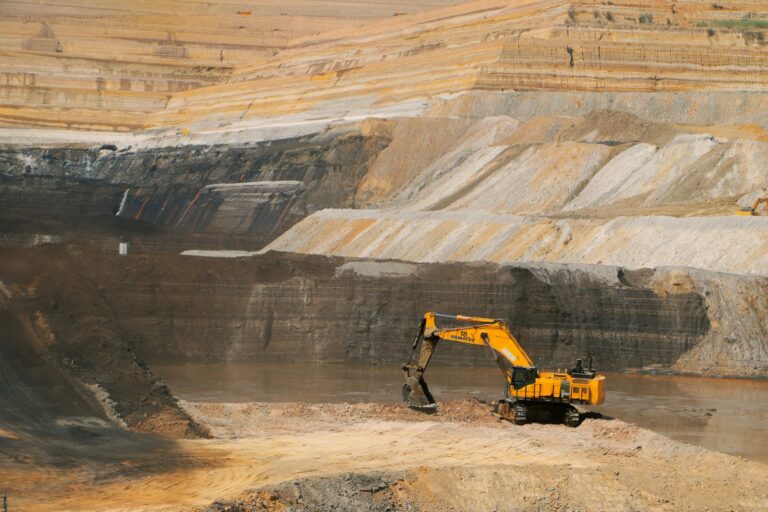
Photo: Shixart1985 (CC BY 2.0)