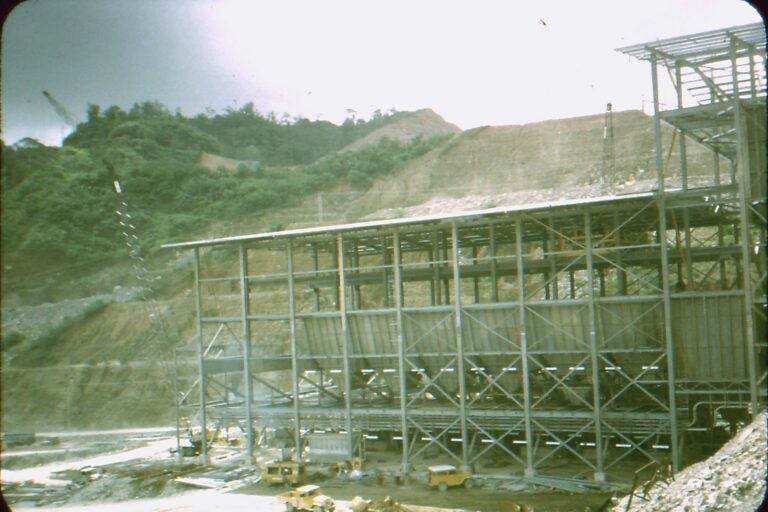
Fuel is eating into the margins of copper and silver producers in Mexico, even with metal prices high. Diesel typically accounts for 10% to 25% of a mine’s site-level operating costs, and the International Energy Agency (IEA) warns that global shortages could last into 2027.
A refining problem, not a crude problem
The squeeze starts at the refinery. The IEA expects global refinery throughput to average about 81.5 million barrels per day in 2026, down from roughly 84 million in 2025, after inventories were drawn down while capacity was impaired. Regional geopolitical friction and shifts in how crude is processed have added to the shortfall in middle distillates.
Mexico feels it more than most because it relies on the United States for a large share of its refined fuels. At the peak of the volatility, crack spreads on ultra-low sulfur diesel (ULSD) touched US$108 per barrel. The Ministry of Finance (SHCP) has softened the blow with a zero-rate Special Tax on Production and Services (IEPS) on diesel and complementary stimulus, but industrial users still face import-parity pricing.
What it does to a mine’s accounts
Diesel is burned mostly by haul trucks, heavy machinery and secondary logistics. Analysts at TD Cowen estimate that all-in sustaining costs (AISC) across global mining assets are up an average 15% year on year, with all-in expenditure up 22%.
The company numbers show how unevenly this lands. Capstone Copper reported that second-quarter consolidated cash costs rose 15% to US$2.82 per pound, with energy inflation a main driver. At Mantos Blancos in Chile, diesel alone added US$0.19 per pound. Capstone has hedged only 42% of the roughly 90 million litres of diesel it expects to use in the second half, so most of that consumption is open to market prices. The company’s own sensitivity is blunt: each US$0.10 per litre move changes direct costs by about US$5 million.
Grupo México tells the opposite story. Its third-quarter net profit jumped 56% to about US$2 billion, helped by elevated copper sales and a multi-metal mix that absorbed higher fuel bills. Strong prices can hide a fuel shock that is plainly visible at the pit.
How operators are responding
Higher haulage costs push miners to revisit their plans. Many raise cut-off grades, the minimum grade worth processing, which protects margins now but can shorten a mine’s life. Operators in remote regions are also renegotiating bulk delivery and on-site storage terms to limit exposure to spot swings.
Moving heavy equipment off diesel is a stated priority, but it is slow. In northern Mexico the rapid growth of AI infrastructure and data centers is straining transmission capacity. Swapping diesel generators for grid connections or dedicated renewable supply needs heavy capital spending, approval from the Energy Regulatory Commission (CRE) and long interconnection timelines.
The industry still sees large potential. The Mexican Mining Chamber (CAMIMEX) says the sector could draw US$43 billion in investment and support 500,000 direct and indirect jobs over six years, provided regulatory clarity and fiscal competitiveness hold.
Sources
- Diesel Price Volatility Squeezes Mining Margins in Mexico
- Diesel Prices Are Driving Up Mining Costs, but Profits Hide It
Photo: Shixart1985 (CC BY 2.0)