
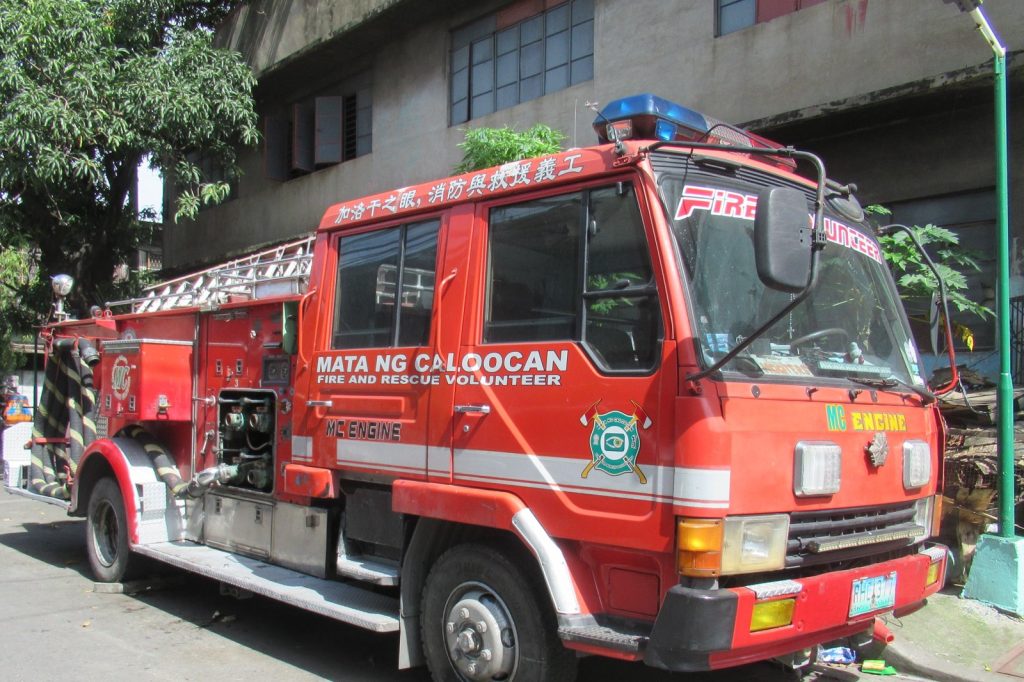
A fire that swept through a mixed-use building in Manila on August 2, 2024, has resulted in at least 11 fatalities, once again exposing the lethal consequences of the city’s cramped urban layout. The blaze began in the early morning hours and spread rapidly through the structure, which housed both residences and commercial spaces. Emergency responders, including teams from the Philippine Red Cross, arrived on the scene but faced insurmountable obstacles.
The building was situated on an alley too narrow for fire trucks to navigate, a common condition in Manila’s densely packed neighborhoods. Firefighters worked for hours to bring the flames under control, but by then the loss of life had already occurred.
Survivors reported that trapped occupants could not escape, while rescue crews struggled to gain entry. The incident is not an isolated tragedy but rather a recurring symptom of a city expanding faster than its safety infrastructure. The building in question was old, lacking basic fire alarms and sprinkler systems—a widespread deficiency in Manila’s residential-commercial structures.
These buildings are often converted spaces constructed decades ago under less stringent regulations, housing families above ground-floor shops in tight quarters. A fire in one unit quickly becomes a fire in all of them.
The Philippine government has faced previous criticism for inconsistent fire safety enforcement. While inspections and fines occur, the underlying problem persists: too many buildings remain unsafe, and a severe housing shortage forces families into these precarious structures. The rental market prioritizes affordability over safety, leaving residents with few alternatives.
Renewable energy sources such as solar and wind power have been raised as potential components of a solution. Many Manila fires originate from faulty electrical wiring linked to an aging, overloaded grid and illegal connections.
A stable, well-regulated energy supply—including properly installed solar panels and distributed wind power—could reduce these electrical fire risks. This approach addresses a root cause rather than merely responding to aftermath. Authorities and the Red Cross are now supporting the victims’ families.
An investigation into the fire’s specific cause—possibly a faulty wire or forgotten stove—is ongoing. However, the deeper cause lies in a system that allowed such a spark to claim 11 lives.
The city will likely see renewed debate over stricter building codes and enforcement, but past experience suggests progress will be slow and partial. The question remains whether Manila will widen its narrow streets, retrofit old buildings, and upgrade its electrical grid—or wait for the next tragedy to demand change.
Sources
- Philippines fire kills eight, including children
- Major fire in Manila's Isla Puting Bato displaces thousands




