
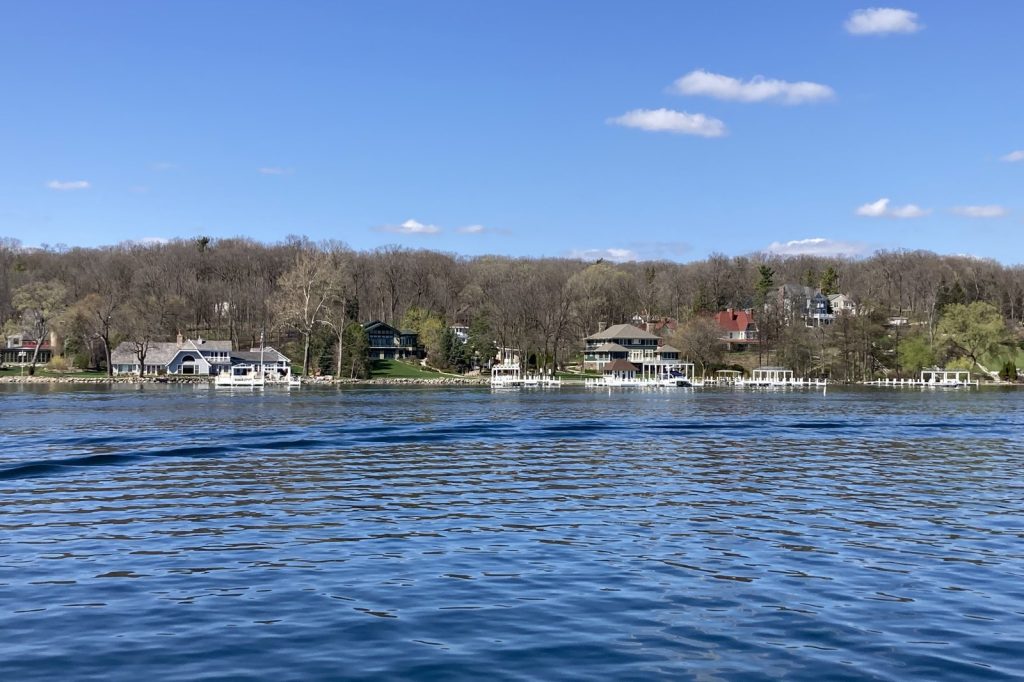
A powerful thunderstorm that tore through southern Wisconsin on Friday capsized a boat carrying ten people on Geneva Lake, leaving three children dead and a resort community grappling with sudden tragedy. The vessel, which held six adults and four children, was caught by high winds and rough waves as those aboard attempted to reach shore. The boat took on water, turned over, and sank, according to Walworth County Undersheriff Tom Hausner.
Rescuers pulled six adults and one child from the water, but three children were later located and pronounced dead despite efforts to save them. All four children were wearing life jackets at the time of the capsizing, authorities confirmed.
Storm Unleashes Widespread Damage Across Walworth County
The storm struck Walworth County at approximately 12:10 p.m. local time, triggering a surge of emergency calls reporting downed trees, damaged power lines, crushed vehicles, and people trapped inside structures. Deputies responded immediately but faced significant delays as debris and live wires blocked roads.
“Power lines are all over the place. We are urging people to stay away,” Hausner said, as quoted by the Associated Press. Against this backdrop of destruction, the boat accident unfolded as one of multiple emergencies that same day.
Authorities called for assistance from neighboring law enforcement agencies and the Wisconsin Department of Natural Resources to manage the crisis. Lake Geneva Mayor Todd Krause declared a local emergency.
One person sustained minor injuries after being struck by a falling tree, the mayor said. The incident remains under investigation by the Lake Geneva Police Department. Authorities have not yet released details about the victims or those rescued, Hausner confirmed.
Capsizing on Geneva Lake Raises Urgent Safety Concerns
Geneva Lake, a popular destination for holidaymakers, has seen tragedy before, but rarely with such concentrated loss of young life. The storm’s trail of destruction across southern Wisconsin has left roads blocked, power lines down, and communities assessing damage. For the families of the three children who did not survive, the Fourth of July weekend has turned to mourning. Authorities continue to urge residents to stay away from downed power lines and to exercise caution as recovery efforts proceed.
The investigation will likely examine whether the boat’s operator had sufficient warning of the approaching storm and whether any further safety measures could have prevented the sinking. Wisconsin’s lakes are a centerpiece of summer recreation, drawing families for boating, fishing, and tourism.
Yet sudden thunderstorms can transform calm waters into deadly hazards. The capsizing on Geneva Lake highlights how quickly conditions can change. While larger, deeper lakes like Lake Winnebago—formed roughly twelve thousand years ago when glacial meltwater filled a basin left by retreating ice—have broad surfaces that can moderate wind and wave action, shallower lakes elsewhere can experience abrupt, violent conditions when thunderstorms move through.
Lake Winnebago, located hundreds of miles to the northeast in east-central Wisconsin, rests in a shallow basin shaped by ancient rock layers. Its western shore shelves gently with reefs, while the eastern edge drops off more sharply.
Two rivers, the Wolf and the Fox, feed the lake, linking it to a broader chain of lakes and ultimately to Green Bay. Cities such as Oshkosh, Neenah, Menasha, and Fond du Lac have relied on Lake Winnebago’s water for municipal supplies for generations. For centuries, the Ho-Chunk people lived along its shores, calling it by their own name before neighboring Algonquian groups referred to it as “people of the stinking water” because of seasonal fish odors.
In the late 1800s, steamers like the B. F.
Carter carried passengers and goods across the lake during summer months, reflecting its role in regional commerce and travel. Each year, shifting winter ice can push shoreward in powerful surges called ice shoves, sometimes damaging waterfront buildings with a sound likened to a freight train. This broader context underscores why lake safety campaigns focus on weather awareness and preparedness, especially during peak recreational seasons when families take to the water in large numbers.
The tragic outcome on Geneva Lake serves as a stark reminder that even a short outing can turn deadly when severe storms develop with little notice. As the community mourns and authorities continue their investigation, the emphasis remains on preventing future losses through vigilance and swift emergency response.




