
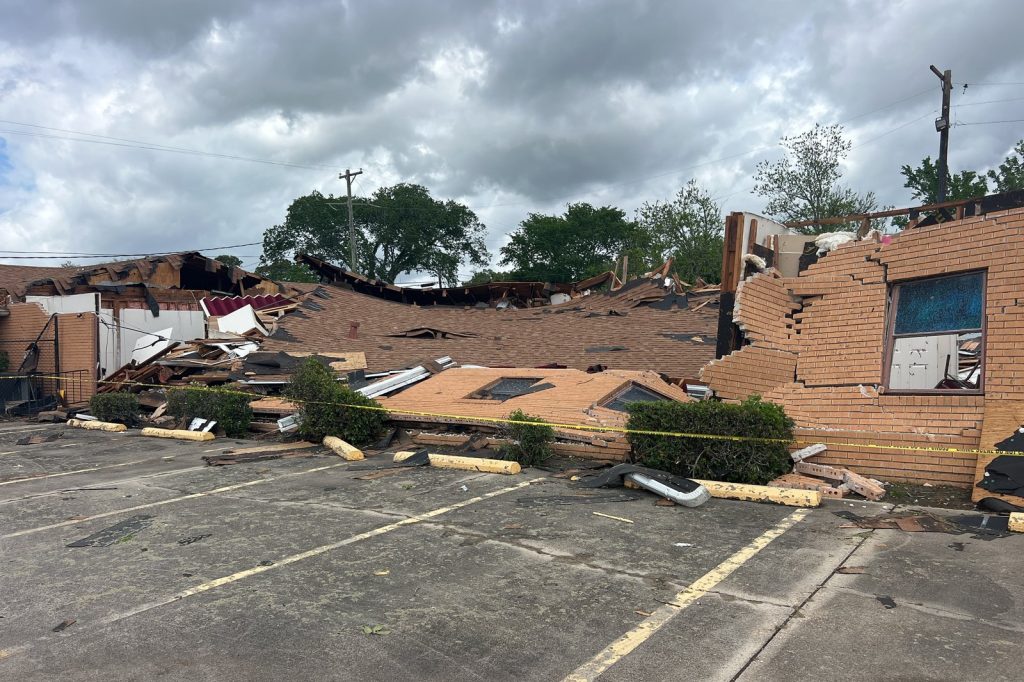
On the night of May 25, a series of violent tornadoes ripped through portions of Texas, Oklahoma and Arkansas, leaving fifteen people dead and countless others injured or displaced. Meteorologists had identified the atmospheric setup days before the storms struck. A surge of warm, moist air moving northward from the Gulf of Mexico collided with a fast‑moving, dry jet stream aloft, creating an environment ripe for rapidly intensifying supercells that could produce tornadoes with little lead‑time after dark.
In each of the three states, the tornado paths cut through small towns and rural areas where homes sit close to open fields, offering little protection against a direct hit. Damage surveys describe entire residences flattened, commercial structures reduced to splinters, and critical infrastructure—power lines, roads and communication networks—severely compromised. In several locations, cell service remains intermittent, hampering coordination among rescue teams.
Search and rescue operations continue as crews sift through debris, hoping to locate additional victims. Officials caution that the death toll could rise as the full extent of the destruction is assessed.
The event fits into a broader pattern of increasingly frequent severe weather in the central United States. Scientists note that the atmospheric conditions conducive to tornado outbreaks are becoming more common, and that the traditional spring peak of tornado season is shifting, with severe storms now occurring earlier and later in the year. While some researchers suggest that climate‑related changes may be amplifying these trends, the precise link between a warming climate and tornado frequency remains uncertain.
The overnight timing of the outbreak heightened its danger. Many residents were asleep when the tornadoes struck around 2 a.m., reducing the effectiveness of sirens and other warning systems. State and local authorities have focused on immediate response measures: search and rescue, emergency shelter provision, and distribution of food and water. Federal officials have been alerted, and disaster declarations are anticipated.
Recovery is expected to be a long‑term effort. Rebuilding homes, schools and hospitals will take years, not weeks, and small communities often lack the financial resources to fund reconstruction. The report accompanying the event recommends directing some recovery funds toward more resilient infrastructure—stronger building codes, reinforced roofing, and the inclusion of safe rooms in public buildings.
Energy security emerged as another concern. Power outages not only disrupt daily life but also jeopardize medical equipment, refrigeration for medication and communication capabilities. The report highlights the potential role of distributed renewable energy systems, such as wind and solar, which can operate independently of a centralized grid and may improve resilience during future emergencies.
Calls for improved preparedness, forecasting and construction standards echo those made after previous tornado disasters. However, the higher fatality count of fifteen underscores the urgency of translating these recommendations into concrete action.
In the days ahead, the affected communities will face the arduous task of clearing streets, salvaging what remains, and rebuilding lives. Residents look to local leaders for guidance and support, but much of the recovery will depend on neighborly assistance and the sustained, incremental work of reconstruction.




