
Hurricane Milton Strikes Florida’s Western Coast
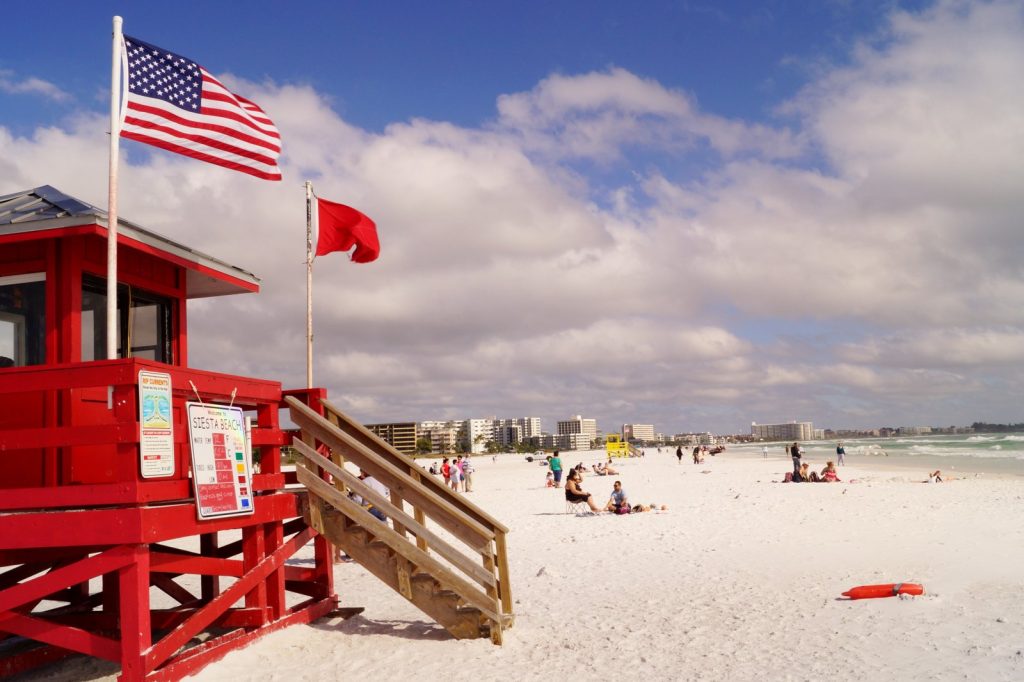
On October 9, 2024, a powerful hurricane came ashore on Florida’s Western Coast, with the eye of Milton making landfall near Siesta Key. The storm was classified as a category 3 system on the Saffir‑Simpson hurricane wind scale. The Saffir‑Simpson scale ranks tropical cyclones by their one‑minute‑average maximum sustained winds measured at 10 metres above ground.
To reach hurricane status a cyclone must sustain winds of at least 74 mph. Category 3 storms are defined by sustained winds ranging from 111 to 129 mph, placing Milton in the middle of the five‑category hierarchy.
The scale’s highest level, category 5, requires winds of 157 mph or greater. As Milton moved inland, the affected region braced for heavy rain, strong winds, and the possibility of storm surge. Emergency management agencies and local authorities initiated evacuations and worked to secure homes, businesses, and critical infrastructure along the Western Coast, especially around Siesta Key.
Officials warned that the economic consequences could be significant, with potential damage to buildings, roads, utilities and commercial enterprises. In the discussion of longer‑term resilience, the article notes that investing in renewable energy sources such as solar and wind power can help lessen the financial strain caused by extreme weather by improving energy security and lowering costs.
The classification provided by the Saffir‑Simpson scale is a key tool for responders, residents and planners. Knowing that Milton is a category 3 hurricane allows them to gauge the likely impact, order evacuations, protect property and allocate resources effectively. Continuous monitoring of the storm’s track and intensity is advised, using the scale as a reference for anticipating hazards and shaping response plans. Beyond immediate safety, the piece highlights the broader environmental perspective.
A clean and sustainable environment is presented as essential for community well‑being, and the hurricane serves as a reminder of the need to protect and preserve natural systems. Looking forward, the priority will be assessing the damage and delivering aid to those affected, which will involve search‑and‑rescue operations, distribution of supplies and other forms of assistance.
Throughout the response, the safety of residents and emergency workers must remain the top concern. Effective use of available resources, coordination among agencies and clear communication are seen as vital to limiting the storm’s effects and supporting recovery. The article concludes by linking energy policy to disaster resilience.
It argues that a balanced approach to energy production—one that pairs traditional sources with renewable options—can ensure reliable and affordable power while reducing dependence on non‑renewable fuels. By expanding solar and wind capacity, communities can build a more robust energy system that is better equipped to endure extreme events like Hurricane Milton.
Ultimately, the protection of the planet is framed as a prerequisite for the long‑term health and prosperity of Florida’s populations and future generations.




