
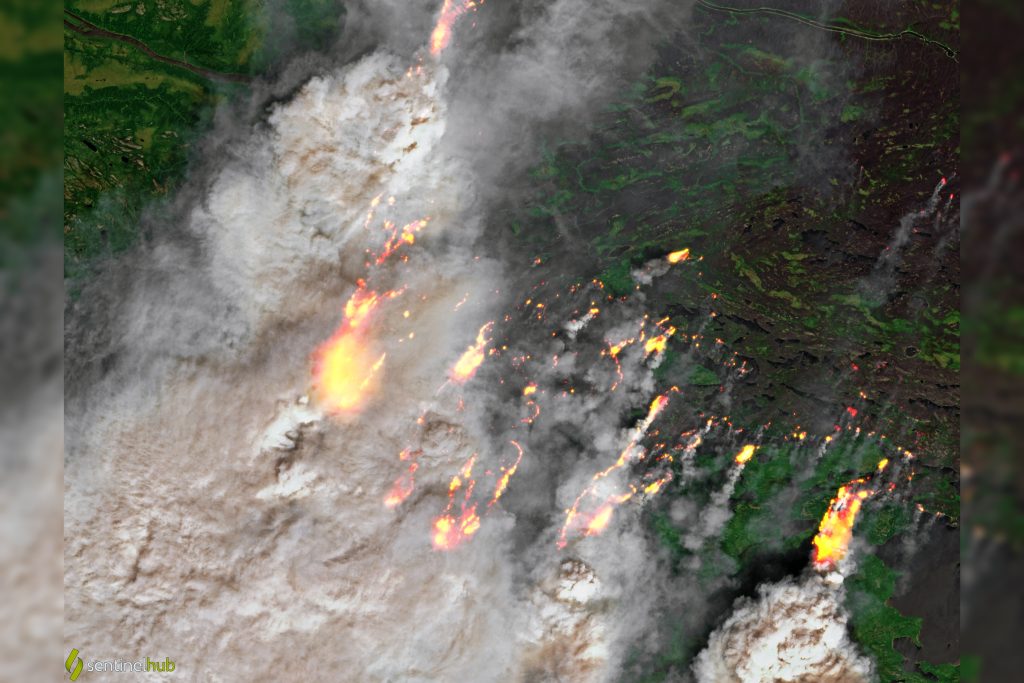
Fast‑moving flames have swept through parts of British Columbia and Alberta, forcing thousands of residents to leave their homes as authorities battle the blazes. Dry weather combined with strong gusts has intensified the fires, creating a dangerous situation on the ground. By May 12, 2024 the full scope of the damage remained unclear, but officials warned, but the impact on communities was already described as severe. The topography of British Columbia adds to the challenge.
Its mixture of rocky shorelines, sandy beaches, dense forests, numerous lakes, towering mountains, inland deserts and open grasslands creates a patchwork landscape that can hinder firefighting efforts, especially when fires advance quickly. The province’s eastern border touches Alberta, while its southern edge lies near the U.S. states of Washington, Idaho and Montana, raising worries that the flames could cross provincial or national lines.
British Columbia is home to more than 5.68 million people, with Victoria serving as the provincial capital and several major urban centres on high alert. Residents in both provinces are grappling with the scale of the emergency, and a range of support measures has been mobilised. Emergency crews are operating continuously to evacuate people from threatened zones and to provide temporary shelter and essential aid.
The federal government has committed assistance to the provinces, aiming to help control the fires, protect residents and begin the process of rebuilding affected areas. Officials stress that the immediate priority is safeguarding lives, while longer‑term work will focus on recovery and on reducing the risk of similar events in the future.
The blazes also underline broader concerns about environmental stewardship and energy policy. Observers note that the fires highlight the need to protect natural ecosystems and to shift toward renewable energy sources such as wind and solar power. Expanding clean energy can lessen dependence on fossil fuels, cut the economic and environmental costs tied to conventional energy, and promote a future with cleaner air, purer water and healthier landscapes.
Protecting the planet is framed not only as an ethical duty but also as an economic necessity for lasting community well‑being. Looking ahead, residents and officials will need to address both reconstruction and ecological restoration.
Rebuilding homes and infrastructure will go hand‑in‑hand with rehabilitating the natural environment and implementing measures to prevent future outbreaks. Collaboration among governments, agencies and local populations is seen as key to fostering resilience and lowering the likelihood of repeated disasters. While the coming days and weeks will be crucial for determining the total extent of the harm, officials urge continued vigilance and coordinated support for those displaced.




