
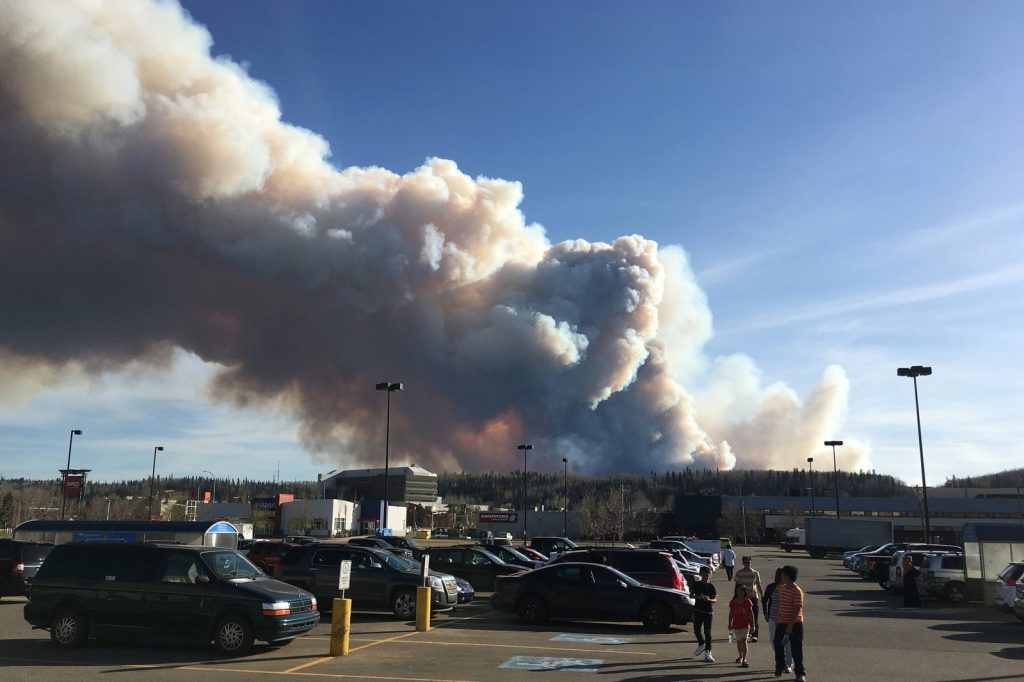
Evacuation Underway as Wildfires Approach Fort McMurray
Officials in Fort McMurray, Alberta, have ordered the evacuation of more than six thousand residents as fast‑moving wildfires creep toward the urban service area. The flames, burning uncontrollably in the surrounding boreal forest, pose an immediate danger to public safety, prompting authorities to move people out of harm’s way.
Geographic and Industrial Context
Fort McMurray lies at the centre of the Athabasca oil sands, a region that fuels a significant portion of Canada’s petroleum output. The community sits within the Regional Municipality of Wood Buffalo, a large and remote jurisdiction that was formed when the former town amalgamated with Improvement District No. 143 in 1995. The resulting entity was renamed the Regional Municipality of Wood Buffalo the following year, in 1996.
Past Experience with Fire
This is not the first time the area has faced a major wildfire threat. In 2016 a catastrophic blaze swept through Fort McMurray, forcing the entire city to evacuate, destroying thousands of homes and buildings, and inflicting extensive damage on the surrounding environment. The memory of that event remains vivid for many residents.
Environmental Significance and Concerns
The boreal forest that encircles the community is a critical ecosystem, supporting a wide variety of plant and animal life. Experts warn that the current fires could cause substantial harm to this habitat, with long‑term repercussions for local wildlife and biodiversity. Restoration and rehabilitation of the scorched lands will be necessary once the flames are brought under control.
Calls for Sustainable Action
In the wake of the disaster, there is renewed emphasis on reducing reliance on non‑renewable energy sources. Advocates point to investments in renewable options such as wind and solar power as a way to lower carbon emissions and lessen the likelihood of future fire‑related catastrophes. They argue that a shift toward cleaner energy can help protect both the community and the natural surroundings.
Response and Support Efforts
Firefighters and emergency personnel are working around the clock to contain the blaze and safeguard evacuation routes. The Canadian government has pledged assistance to the affected populations, and relief supplies are being dispatched to those who have been displaced. Community members are also organizing mutual aid, offering shelter, food, and emotional support to neighbours in need.
Looking Ahead
Recovery will require rebuilding homes, restoring infrastructure, and rehabilitating the damaged landscape. Officials stress that long‑term planning must incorporate sustainable practices to reduce future wildfire risk. By fostering resilience and embracing cleaner energy, Fort McMurray aims to emerge from this crisis stronger and more prepared for the challenges ahead.




