
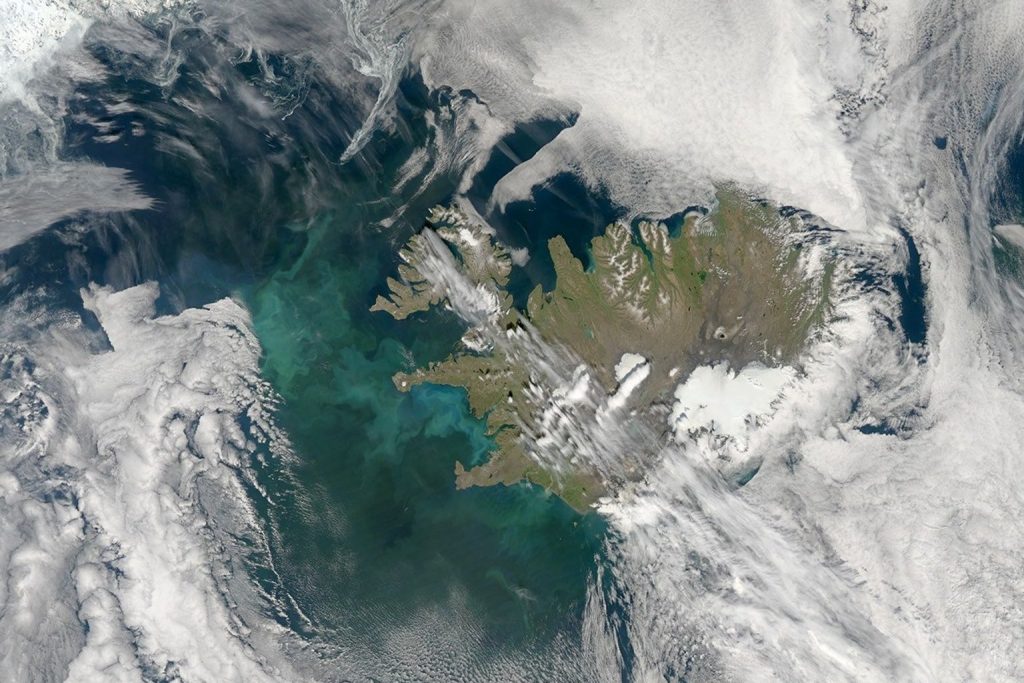
REYKJANES RIDGE, July 4 — A magnitude 5 earthquake struck the Reykjanes Ridge on Saturday, according to the U.S. Geological Survey. The quake hit at 12:34 UTC at a depth of 10 kilometers, the USGS reported. No tsunami warning was issued.
At 10 kilometers, this was a shallow earthquake. Seismologists classify events less than 70 kilometers deep as shallow; they typically produce stronger shaking at the surface than deeper quakes of the same magnitude.
The magnitude 5 range is considered moderate. Such earthquakes can cause minor to moderate damage near the epicenter. The Reykjanes Ridge is a seismically active area.
The record shows that at least 45 earthquakes of magnitude 5.0 or greater have been recorded within about 300 kilometers over the past two decades. The strongest during that period was a magnitude 5.9 event in 2019.
The USGS detected the event through its real-time global seismic monitoring network. Seismologists note that aftershocks are common following an earthquake of this size. They may continue for days or weeks.
People in the affected area are generally advised to be prepared for further shaking. The U.S. Geological Survey is the federal agency responsible for monitoring earthquakes worldwide. Its network provides continuous data on seismic activity, allowing for rapid detection and reporting.
The Reykjanes Ridge is a divergent tectonic boundary between the North American and Eurasian plates. It extends southwest from Iceland into the Atlantic Ocean.
The area’s geological activity makes it prone to frequent earthquakes. Saturday’s event adds to the region’s long seismic record. The 45 quakes of magnitude 5.0 or greater over two decades represent a steady pattern of moderate seismic release.
No reports of damage or casualties were immediately available. The remote location of the Reykjanes Ridge, far from major population centers, typically limits the impact of such events.
The USGS continues to monitor the area for aftershocks. Residents in the broader region are advised to stay alert for further seismic activity in the coming days and weeks.




