
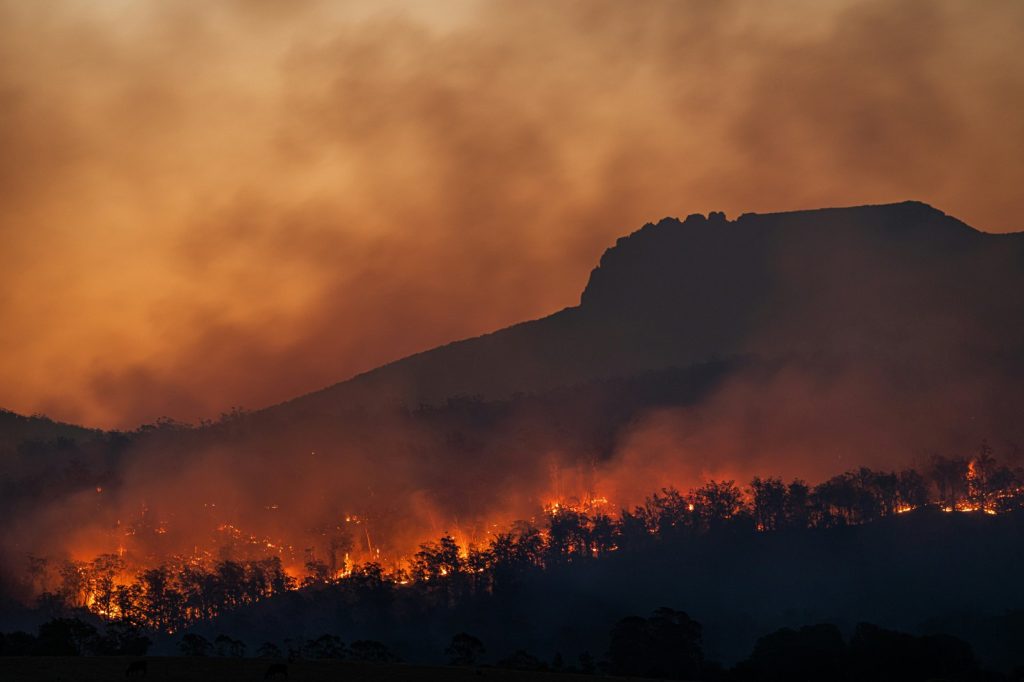
Chicago, July 17 — A plume of smoke from Canadian wildfires pushed three U.S. cities to the top of a global air quality ranking Thursday afternoon, an event analysts describe as highly unusual. Swiss air quality technology company IQAir reported that Minneapolis, Detroit and Chicago recorded the highest concentrations of fine particulate matter, or PM2.5, among urban centers worldwide, based on real-time measurements from its monitoring network.
The data, taken from the company’s global dashboard, showed PM2.5 levels in those cities exceeding those typically found in South Asian and Chinese megacities that routinely dominate such lists. For a U.S. city to appear at the top of IQAir’s index is rare; for three to occupy the first three positions is a sharp departure from long-standing global patterns.
An Unusual Global Ranking
IQAir’s methodology focuses specifically on fine particulate matter, known as PM2.5, the pollutant most directly linked to the visible haze and respiratory irritation accompanying wildfire smoke plumes. The company operates a network of monitoring stations that feed real-time air quality index data into a global map. Thursday’s snapshot showed PM2.5 concentrations in Minneapolis, Detroit and Chicago surpassing those in cities that routinely hold the worst-air positions, including urban centers in South Asia and China.
The ranking underscores the severity of the smoke event sweeping across the Midwest and Northeast. When a Swiss company’s global dashboard shows three U.S. cities at the top, it signals an air quality event of unusual scale and reach, according to IQAir’s data.
The three cities sit in a band across the Great Lakes region, directly in the path of the smoke’s southern drift.
Why This Rare Event Occurred
A massive smoke plume from Canadian wildfires pushed southward into the U.S. this week. The layer has been dense enough to obscure skylines and trigger air quality alerts across multiple states. Thursday’s data highlights the severity of that plume’s impact on the Midwest and Northeast.
IQAir’s real-time measurements captured the particulate load at its peak in the three cities that topped the list. Wildfire smoke does not respect borders, and the plume’s trajectory brought it directly over the Great Lakes corridor.
Wind patterns over the next 48 hours will determine whether the smoke disperses or settles further. IQAir’s real-time data will continue to update as conditions change. For residents and investors alike, the key question is whether this becomes a recurring summer pattern.
Canadian wildfire seasons have grown more intense in recent years, and the mechanisms that drive smoke plumes into the U.S. show no sign of abating. Thursday’s ranking is a snapshot, not a forecast, but it is a snapshot that demands attention.
Background: A Swiss Firm’s Long-Standing Role in Air Quality Measurement
IQAir is a Swiss company that designs air quality monitoring tools and purification systems. Its roots trace back to 1963, when two brothers in Germany created a filter to reduce soot from coal ovens.
One brother, an asthma sufferer, found the device eased his symptoms, prompting further development for broader heating systems. The firm later moved its base to Switzerland and expanded into global markets, including Asia and North America. It defines itself through air quality technology, from purifiers to the AirVisual platform that aggregates real-time pollution data worldwide. Its long-standing work in air quality measurement gives its rankings weight when unusual events, like wildfire smoke crossing borders, push cities not normally associated with poor air to the top of global lists.
This context helps explain why a Swiss firm’s dashboard is watched closely during such episodes. For residents of the Great Lakes region, the data from IQAir serves as a real-time gauge of a health hazard that arrived courtesy of a distant wildfire season.
Whether Thursday’s ranking remains a one-time anomaly or becomes a more frequent occurrence will depend on climate patterns and fire management in the coming years.




