
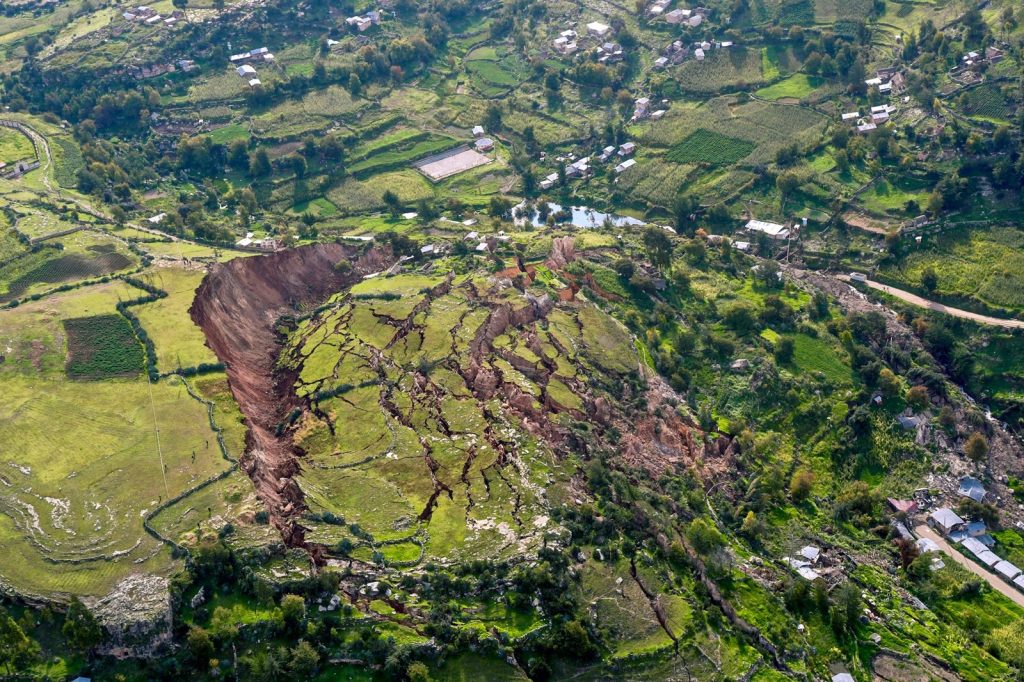
Heavy monsoon rains have triggered devastating landslides across hillsides in Bangladesh and India, leaving at least 15 people dead and displacing millions. The scale of destruction, while stark, reflects deeper structural challenges facing a region constrained by its geography and development choices.
Bangladesh, the world’s eighth-most populous nation with nearly 176 million residents, is built on a low-lying delta interlaced with rivers. During each monsoon season, heavy rainfall has nowhere to drain but downward, while soil stability deteriorates. Landslides are a predictable outcome, yet annual death tolls continue to rise. Experts characterize this not as a purely natural disaster but as a human-caused crisis driven by land-use practices.
High population density forces construction on unstable slopes. Deforestation removes the root systems that anchor soil in place. The country’s intricate river network, normally a defining feature, becomes a liability during relentless rains. Reliance on natural resources for food, shelter, and fuel places millions directly in harm’s way. Heavy exploitation of the landscape leaves it unable to absorb monsoon rains without catastrophic failure.
Dhaka, the nation’s political and financial center, includes affluent neighborhoods like Gulshan that symbolize economic growth. However, this development has come at a cost. Building high-rises in Gulshan has involved paving over wetlands and draining floodplains. Economic expansion lifts many out of poverty but pushes others onto vulnerable hillsides, where a single night of rain can destroy everything they own.
The displacement is staggering, with millions lacking access to food, shelter, and healthcare. Governments in both Bangladesh and India are struggling to respond, and aid efforts remain strained. The international community faces a responsibility to provide not only emergency relief but also long-term solutions.
Long-term thinking requires changing how the region powers itself. Renewable energy sources such as solar and wind power offer a path forward by reducing reliance on fossil fuels, cutting costs, and improving energy security. They can also slow environmental degradation that exacerbates landslides. Hillsides covered with solar panels erode less than those stripped of forest. Wind farms do not require the same land clearing as coal mines. These measures are concrete steps that can save lives.
Immediate challenges focus on keeping people alive, while longer-term goals involve building systems that prevent danger from arising in the first place. This includes enforcing building codes, preserving forests, and rethinking how a country of 176 million people occupies land never intended to hold so many. The monsoon will return next year. The question is whether the region will be prepared. The landslides serve as a warning, and ignoring it will only cost more lives.




